Mechanism contrast
Hyaluronic acid is a polysaccharide that binds water in proportion to its molecular weight. High-MW HA forms a film on the surface; low-MW HA penetrates the upper epidermis. Modern serums combine 2 to 3 weights for layered hydration.
Glycerin is a small triol (three OH groups on a three-carbon backbone) that pulls water from the dermis into the upper epidermis through the aquaporin-3 channel. It is far smaller than HA and so penetrates faster, which makes glycerin the classical humectant inside creams.
Evidence summary
Fluhr et al. (Br J Dermatol 2008) compared 30 humectants in a head-to-head double-blind trial. Glycerin matched or beat HA on transepidermal water loss reduction at 24 hours. Pavicic et al. (J Drugs Dermatol 2011) showed visible plumping with multi-MW HA after 8 weeks. The two studies set the modern position: glycerin for hydration, HA for hydration plus visible plumping.
BIOSAR products that contain each
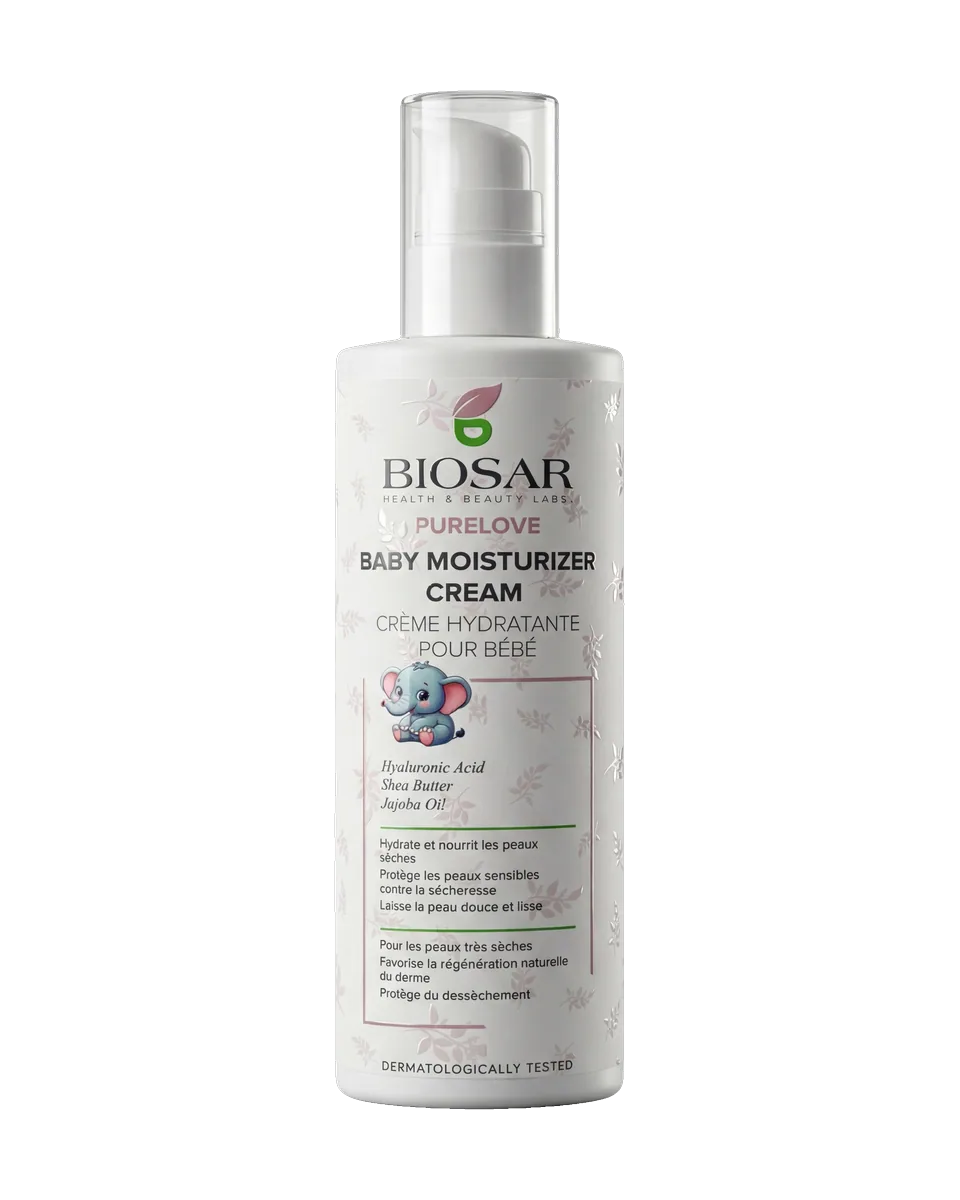
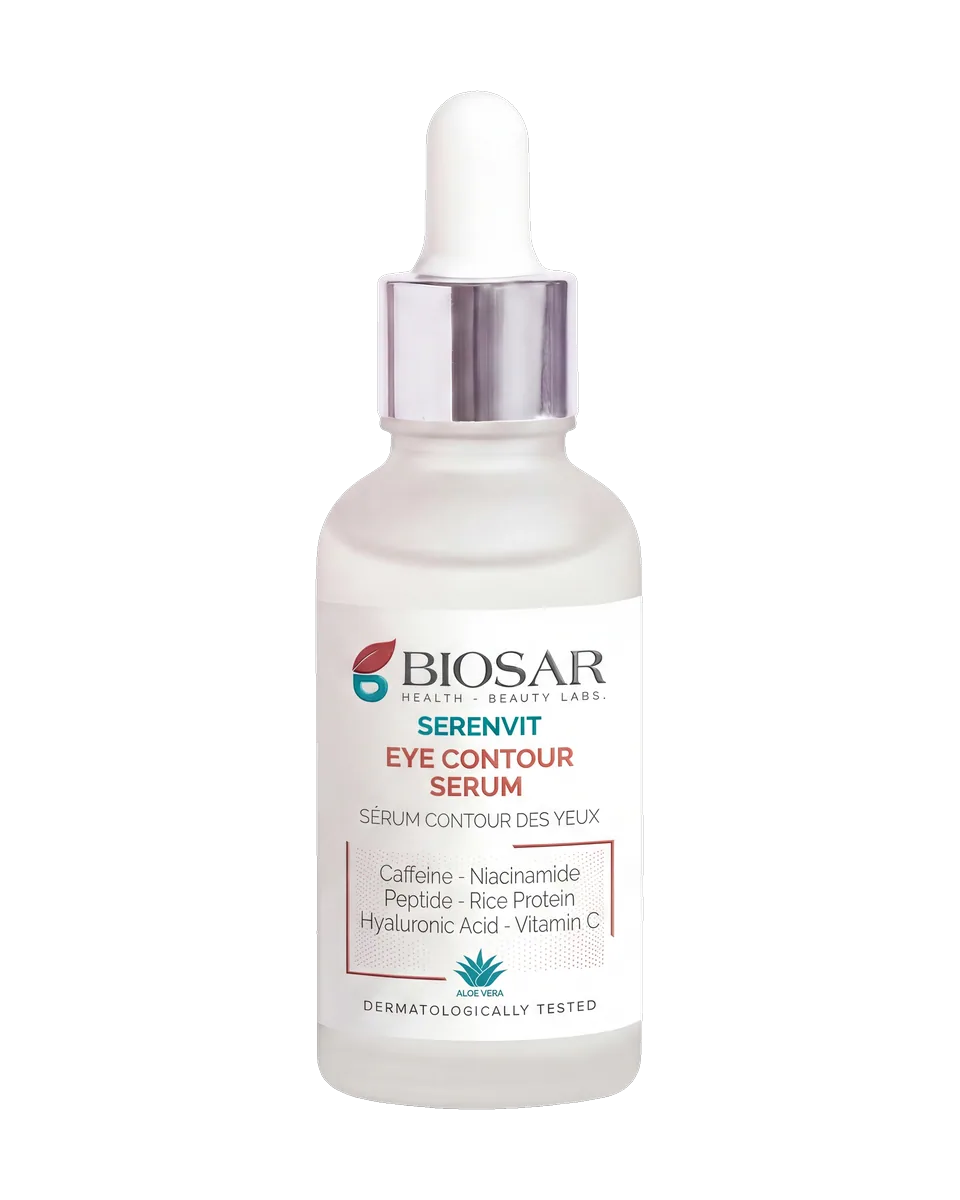
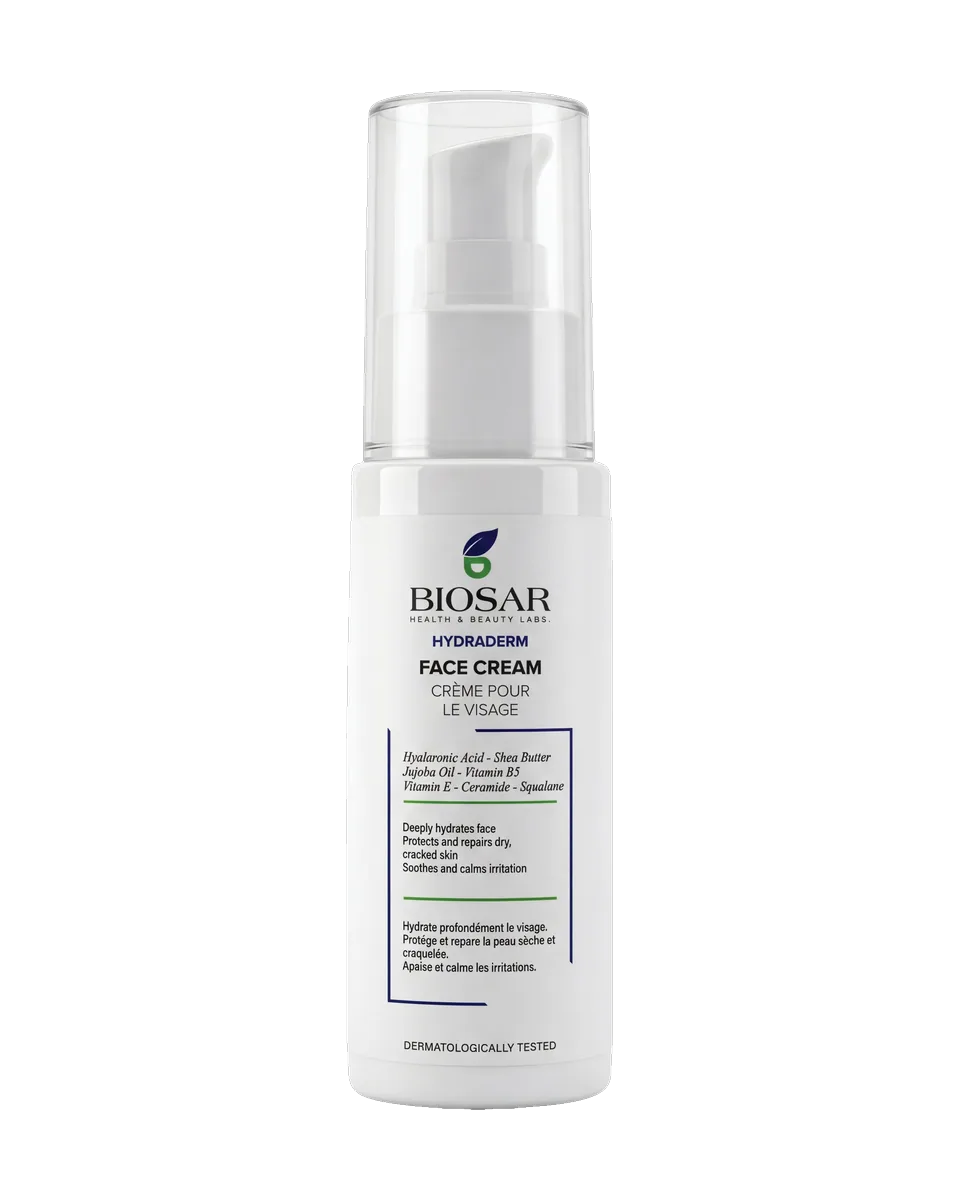
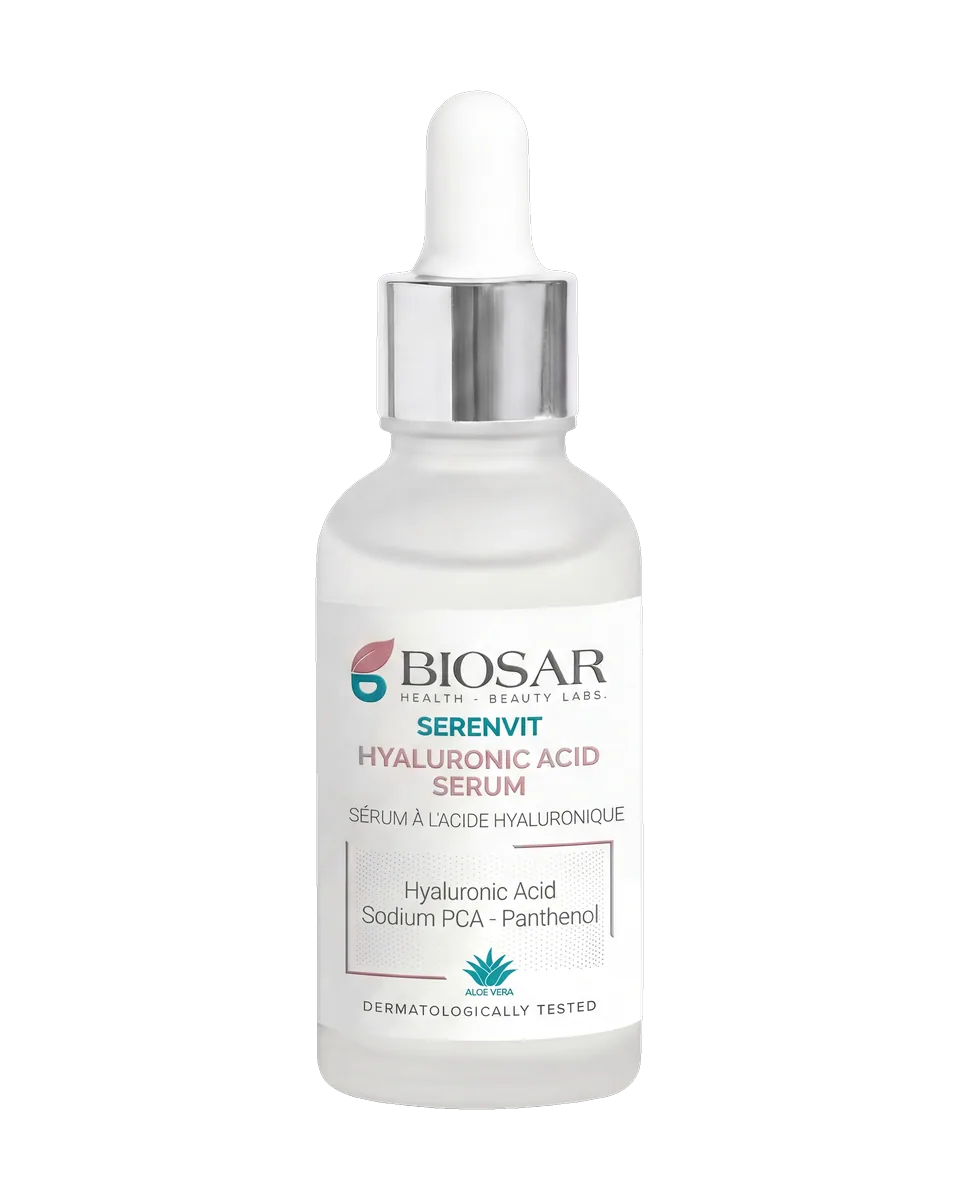
Hyaluronic acid is the lead in the Serenvit Hyaluronic Acid Serum and is layered into the Hydraderm Face Cream. Both formulas combine multiple molecular weights so the surface film and the deeper hydration arrive together.
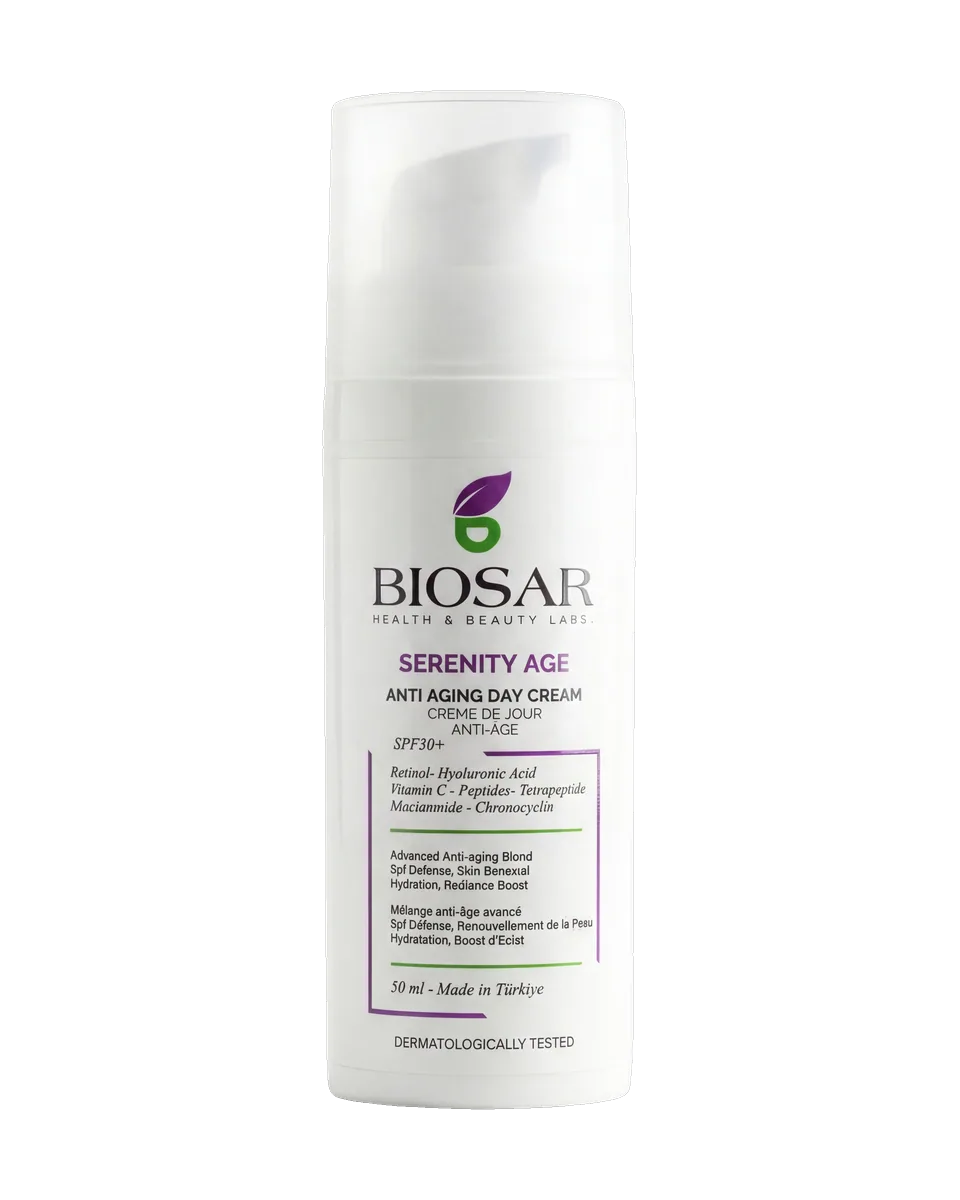
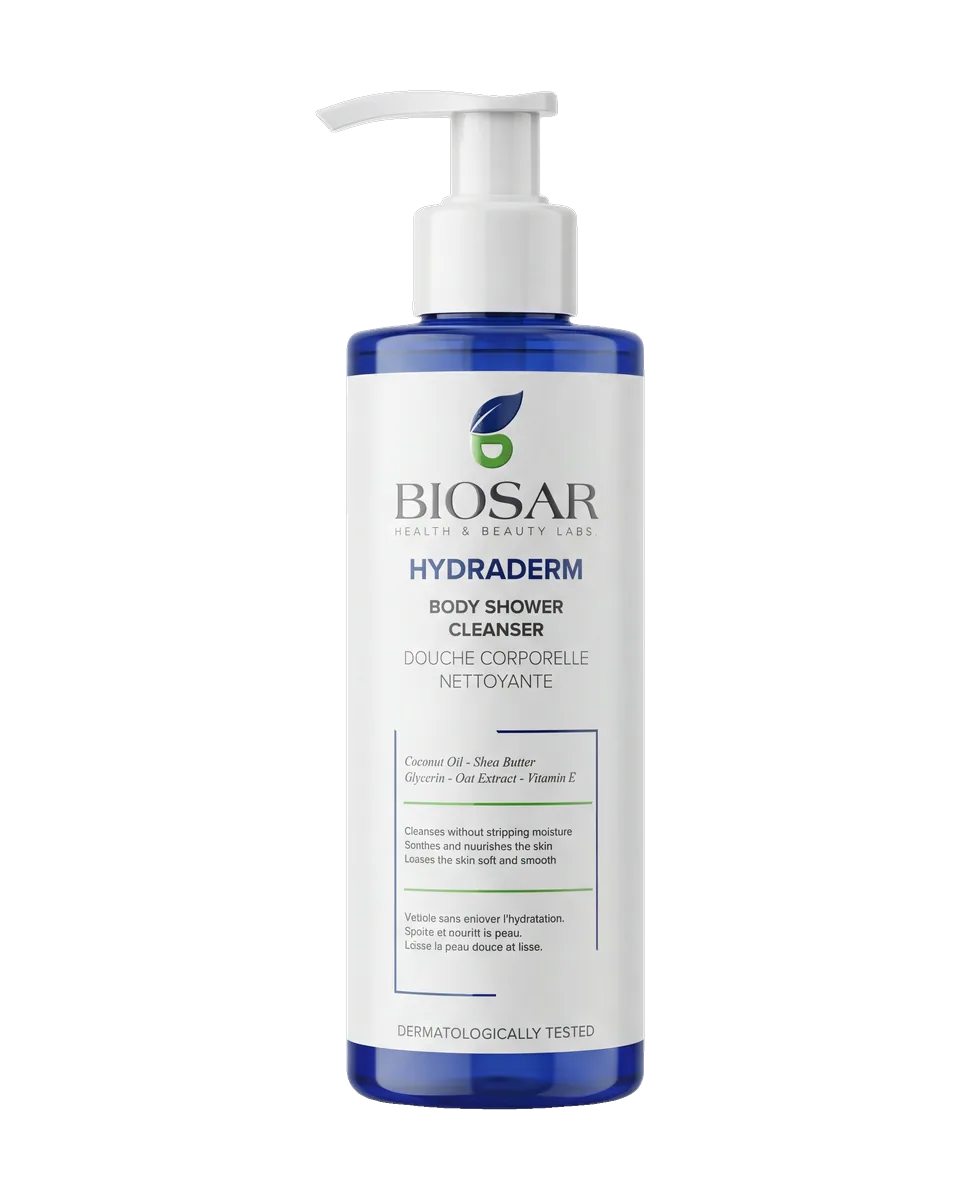
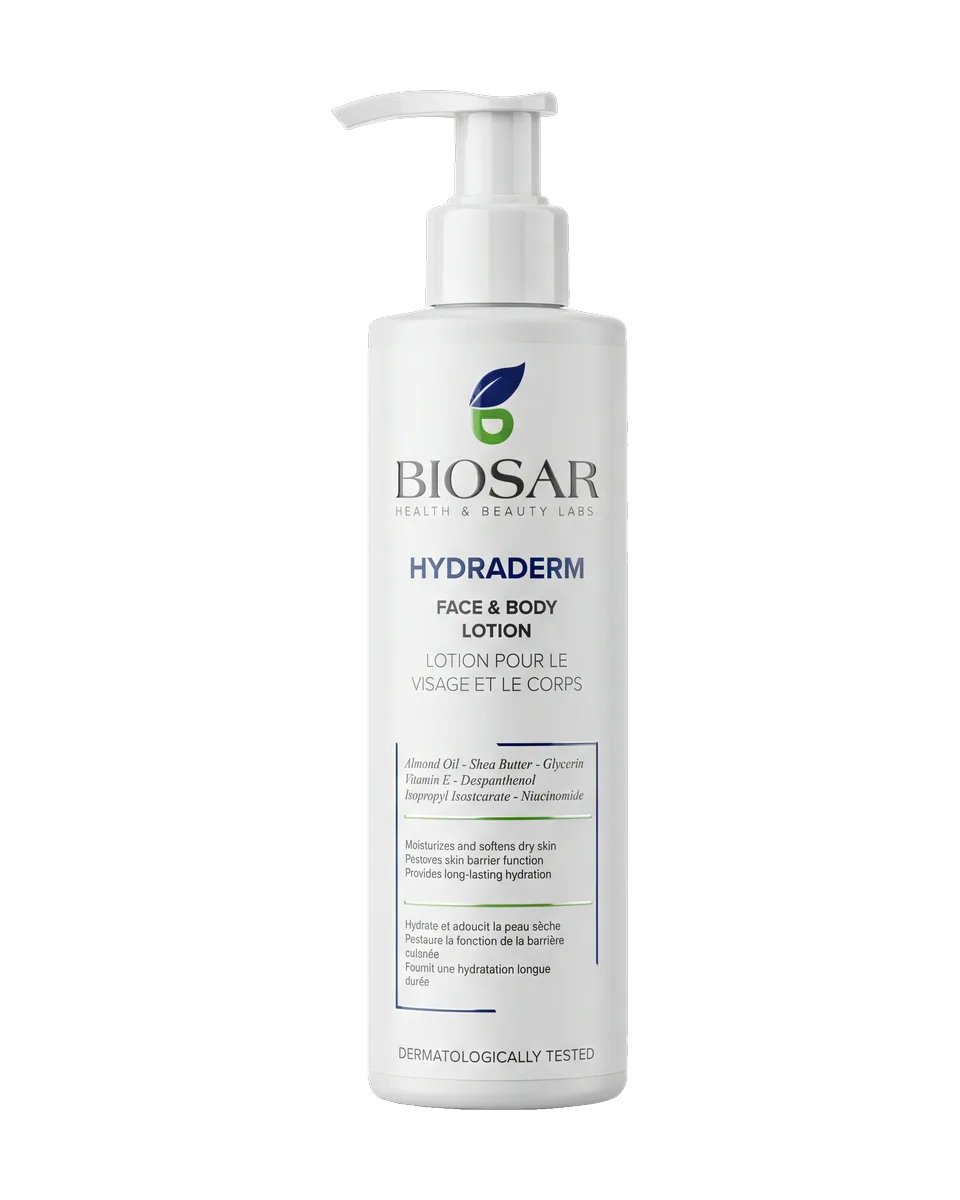
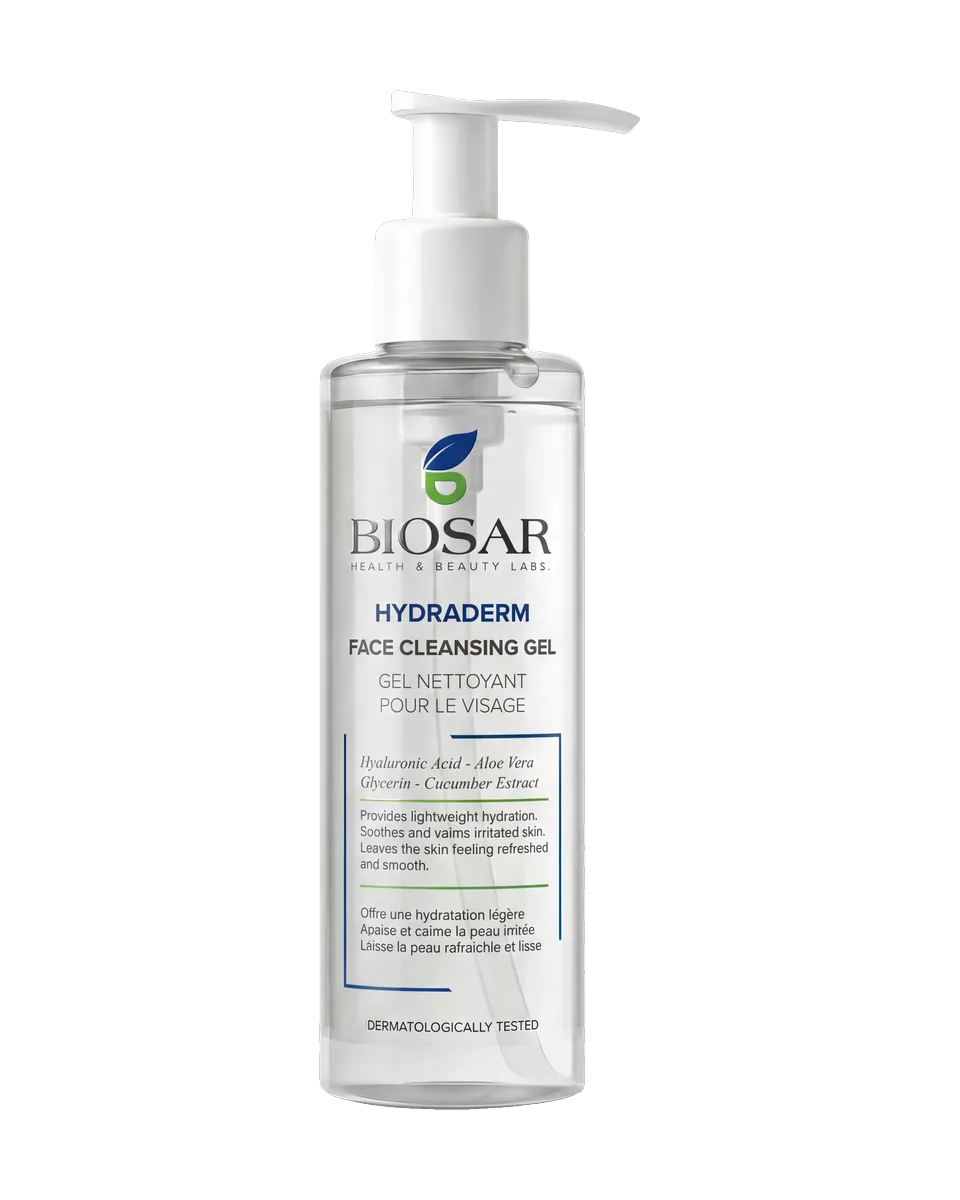
Glycerin sits inside almost every BIOSAR cream, lotion, and cleanser as the workhorse humectant: Hydraderm, Sensimed, Serenvit, Serenity Age, and the Hairmical haircare. It is rarely the single hero, but it is rarely absent.
Closing recommendation
Use hyaluronic acid as the serum step when you want plumping. Use glycerin everywhere else as the quiet hydration base. Both demand a cream layer on top. Humectants without occlusion can pull moisture out instead of in, especially in dry climates. The two ingredients are complements, not alternatives.