Active ingredient
Hyaluronic Acid
INCI · Sodium Hyaluronate
Hyaluronic acid is a glycosaminoglycan polymer used in skincare to hydrate the stratum corneum and support visible plumpness. It binds up to 1000 times its weight in water and draws moisture toward the skin surface. It works across multiple molecular weights, which penetrate to different depths. Apply to damp skin so it pulls water inward; on dry skin in low-humidity environments it can pull water out instead. No conflicts. BIOSAR uses 8D Hyaluronic Acid — eight molecular weights layered so a single application hydrates from the surface down into the deeper stratum corneum.
Pregnancy and breastfeeding
No specific caution is known for cosmetic use during pregnancy or breastfeeding. If you are unsure, ask your doctor or pharmacist.
Topical hyaluronic acid is endogenous to human skin and has no measurable systemic absorption. Mother to Baby and ACOG do not flag any concern during pregnancy or lactation.
Mechanism in detail
What Hyaluronic Acid does
Humectant that binds many times its weight in water — one of the most effective hydrators available for topical use. BIOSAR formulates it as 8D Hyaluronic Acid: eight molecular weights working together, from higher weights that hold water and plump the surface to lower weights that carry hydration into the deeper stratum corneum, so one layer hydrates at several depths at once.
Evidence
What the research says
- 8 weeksEye-area hydration up, wrinkle depth down vs baseline
In 33 women, a low-molecular nano-hyaluronic acid lotion, serum and cream used for 8 weeks raised eye-area hydration by up to 96% and reduced wrinkle depth by up to 40% against baseline. Best-case figures; no control group.
Read the studyJ Clin Aesthet Dermatol 2014
Where it helps
Concerns Hyaluronic Acid addresses
Aging
The first time you notice it is rarely a wrinkle. It is a quality of light — the way your skin catches it differently in a morning mirror, or the photo where you look more tired than you feel. The mechanism is real (collagen synthesis slows; elastin fragments; barrier turnover lengthens), but the felt experience comes first. Serenity Age is the range BIOSAR built for that pivot — Retinol for visible renewal and collagen support, peptides selected for documented signaling activity, and the SPF discipline that protects every other active you apply.
Dryness
Dryness is a barrier dysfunction in which skin loses water faster than it can retain or replenish it, presenting as flaking, tightness, dullness, and roughness. Mild dryness reflects routine over-cleansing or environmental exposure; chronic dryness signals a deeper deficit in skin lipids (ceramides, cholesterol, fatty acids) and humectant content (the natural moisturising factor). Effective treatment hydrates and replenishes the barrier through three layered actions: humectants that draw water in, occlusives that seal it in, and barrier actives that rebuild the lipid mortar. The BIOSAR Hydraderm range delivers this layered hydration and visibly plumps dehydrated skin.
Dullness
Dull skin is the visible loss of luminosity, where the surface appears flat, grey, or fatigued instead of light-reflective. The underlying causes are dead-cell accumulation on the stratum corneum, dehydration, microcirculation impairment, and oxidative stress. Effective treatment combines gentle exfoliation (alpha- and beta-hydroxy acids), antioxidant serums (vitamin C, niacinamide), barrier hydration, and consistent broad-spectrum SPF. Visible improvement typically arrives within two to four weeks of a structured routine, matching the natural cell-turnover cycle of healthy skin.
Hyperpigmentation
Across Fitzpatrick III–V skin tones — the majority of darker skin tones — the most common consultation is the same: the patch on the cheekbone that did not fade. Melasma, post-inflammatory hyperpigmentation, the marks that follow acne and friction. The pattern is photoresponsive, the mechanism is mapped, and visible improvement is reachable with consistent care. The Whitepurity range is built for that work — Alpha-Arbutin for stable tyrosinase inhibition, Niacinamide-led brightening, and the SPF discipline that decides whether any of the rest will hold.
Sensitivity
If you have sensitive skin, you have probably been told it is in your head — by a product that says "gentle" on the label, by a friend whose skin tolerates everything yours cannot, sometimes by a professional who could not find a visible cause for the symptoms. It is not in your head. The mechanisms are measurable, the biology is mapped, and the care that follows from understanding them is what the Sensimed range was built around.
Sun Damage
Sun damage is the cumulative photoaging caused by ultraviolet radiation, presenting as solar lentigines, irregular pigmentation, fine lines, deeper wrinkles, leathery texture, and elevated skin cancer risk. UVA penetrates the dermis and drives collagen breakdown; UVB damages epidermal DNA and triggers melanin overproduction. Extrinsic factors, with UV exposure carrying the largest share, account for an estimated 80% of premature visible skin aging. Daily broad-spectrum SPF, antioxidant serums, and pigmentation correctors reverse early damage and prevent further progression. The BIOSAR Sunprotex range delivers broad-spectrum UVA + UVB protection layered with antioxidants for measurably stronger photoprotection.
From the BIOSAR catalog
Products formulated with Hyaluronic Acid
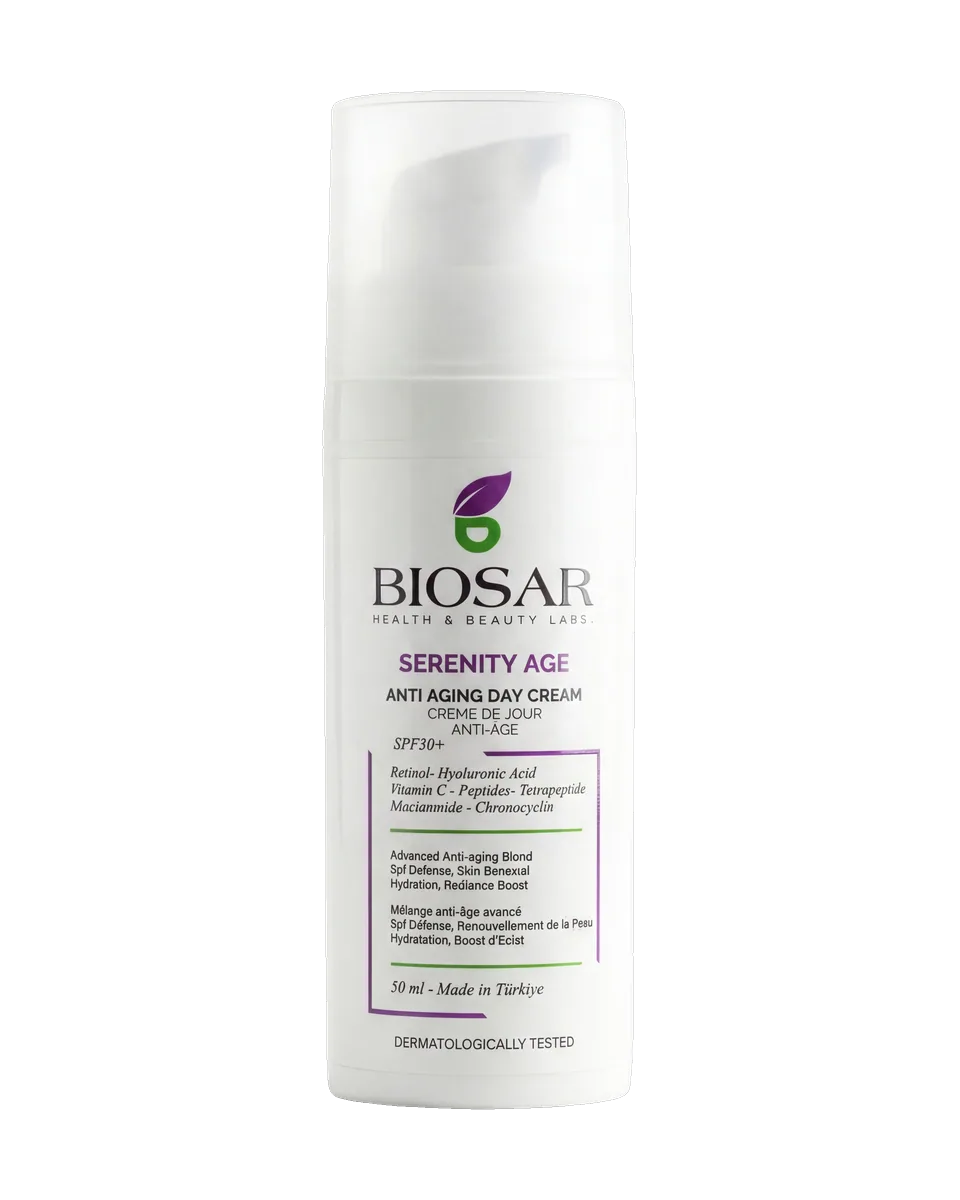
Serenity Age50 ml
Anti-Aging Day Cream SPF30+
Retinol · Hyaluronic Acid · Vitamin C
Contains retinol — not recommended during pregnancy or nursing.
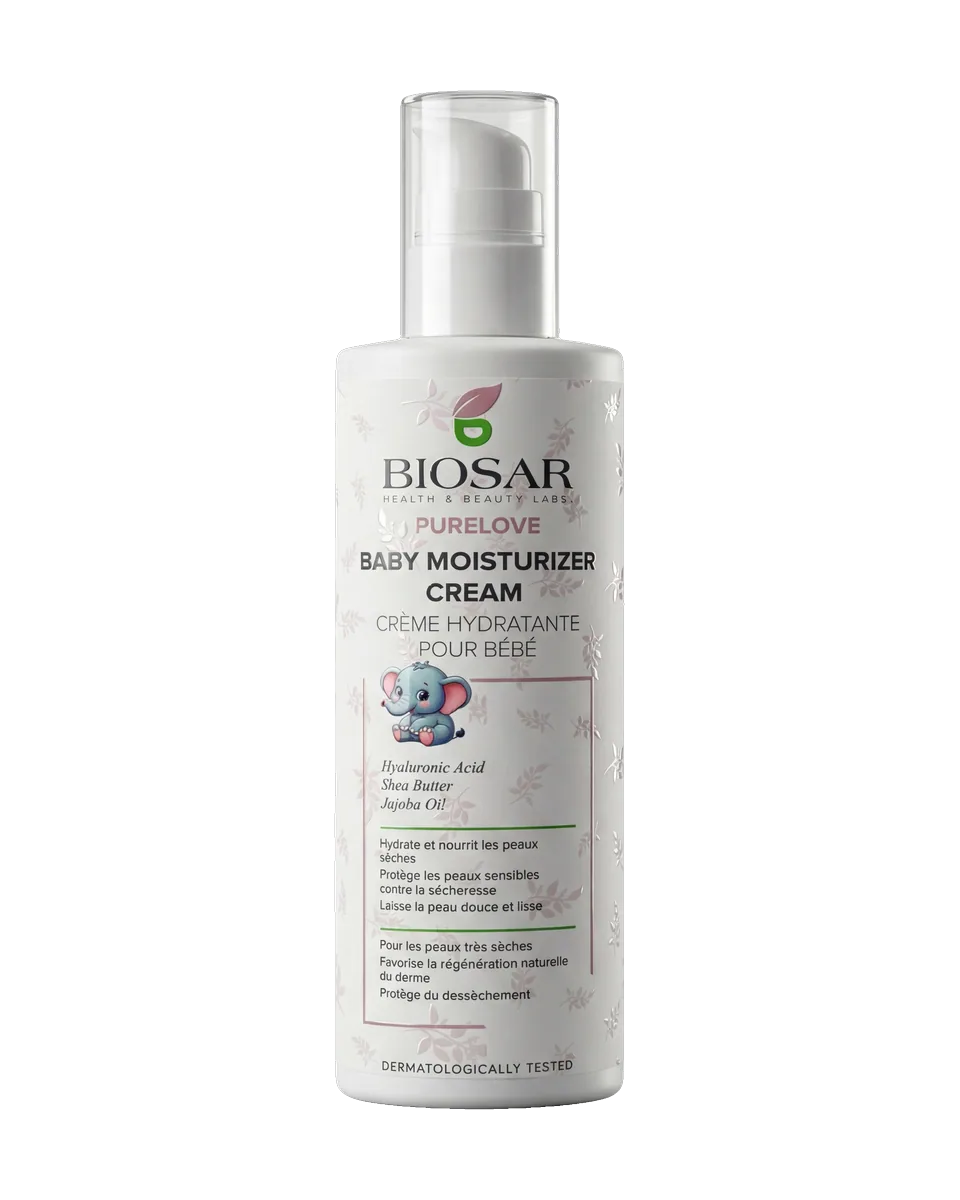
PureLove50 ml
Baby Moisturizer Cream
Hyaluronic Acid · Shea Butter · Jojoba Oil
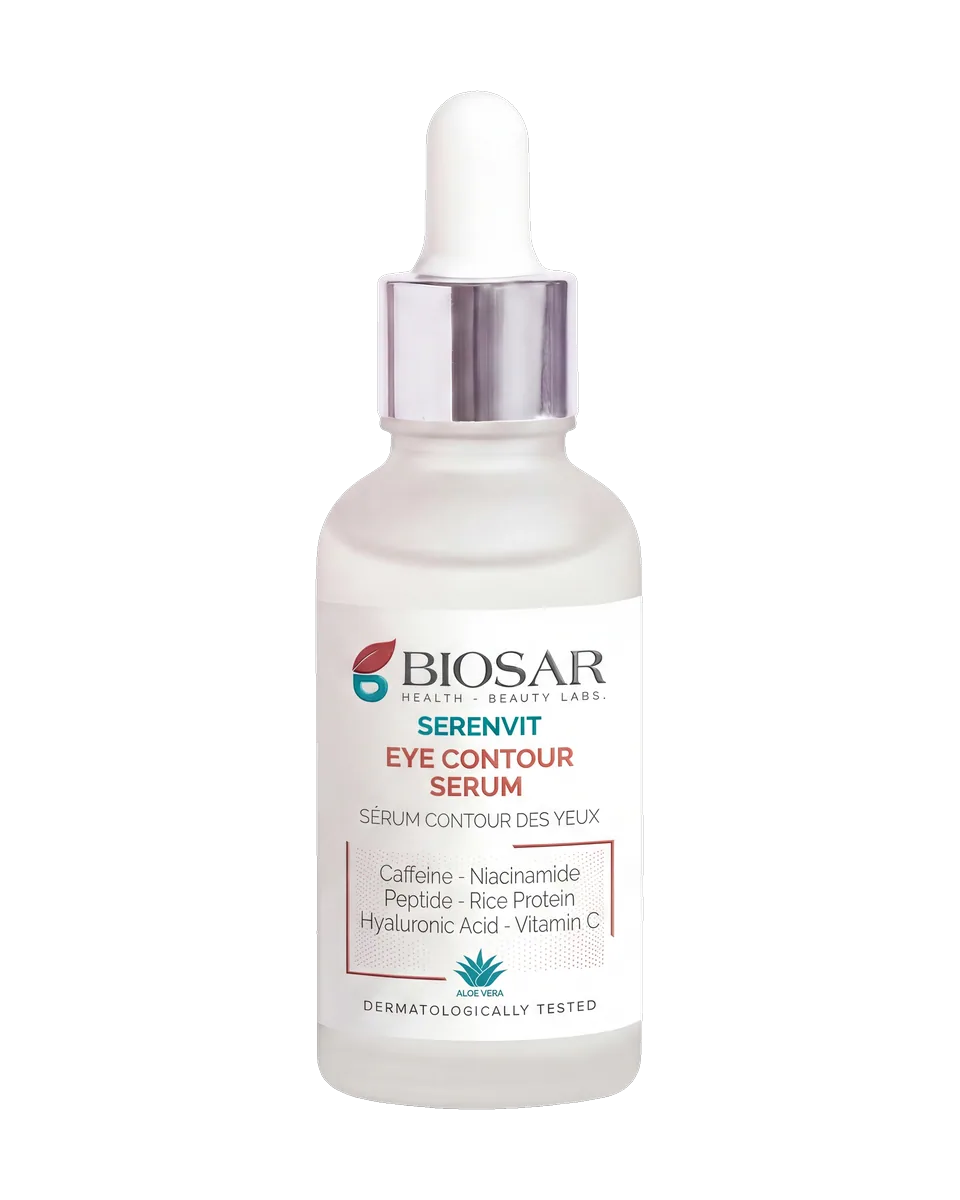
Serenvit30 ml
Eye Contour Serum
Peptides · Niacinamide · Caffeine
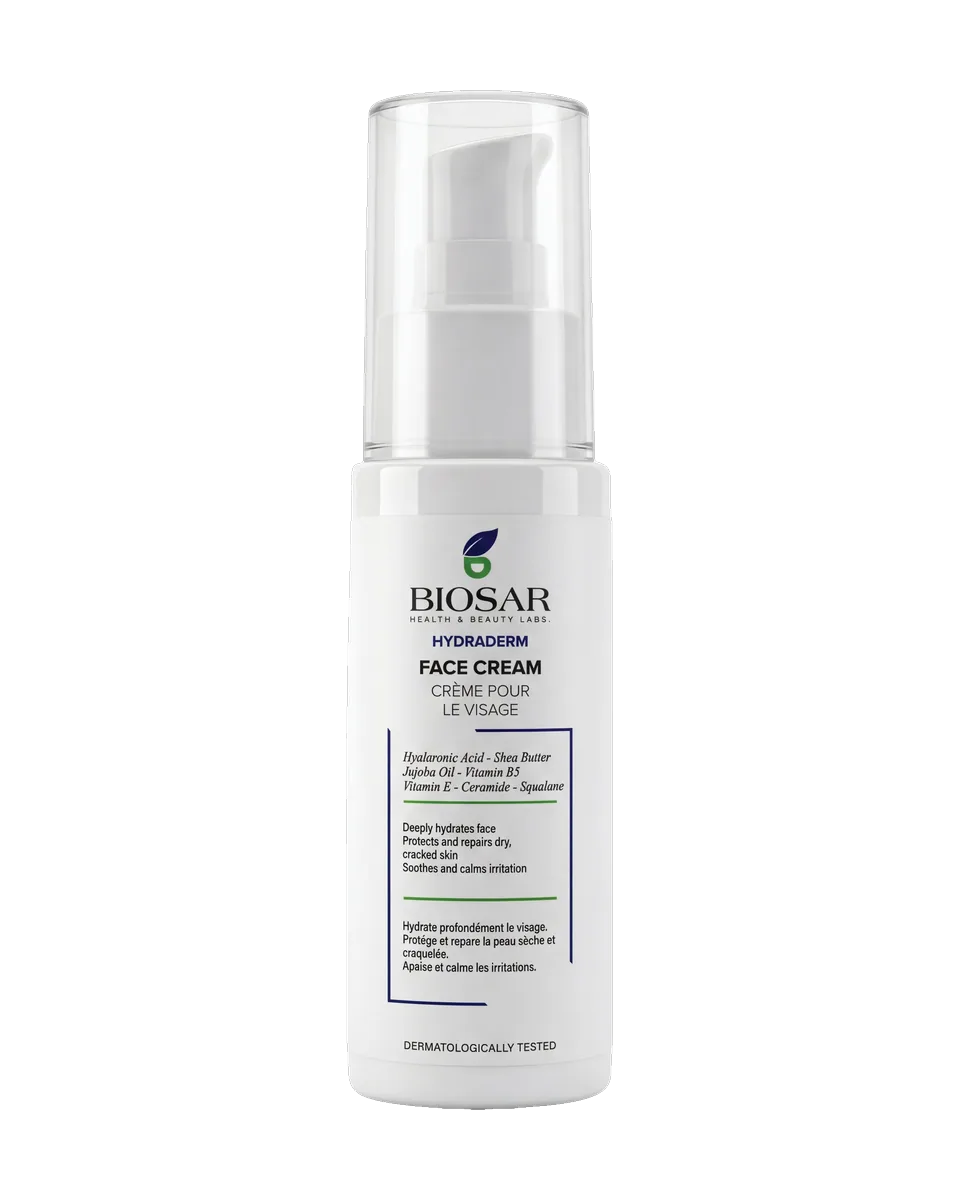
Hydraderm50 ml
Face Cream
Hyaluronic Acid · Ceramide · Shea Butter
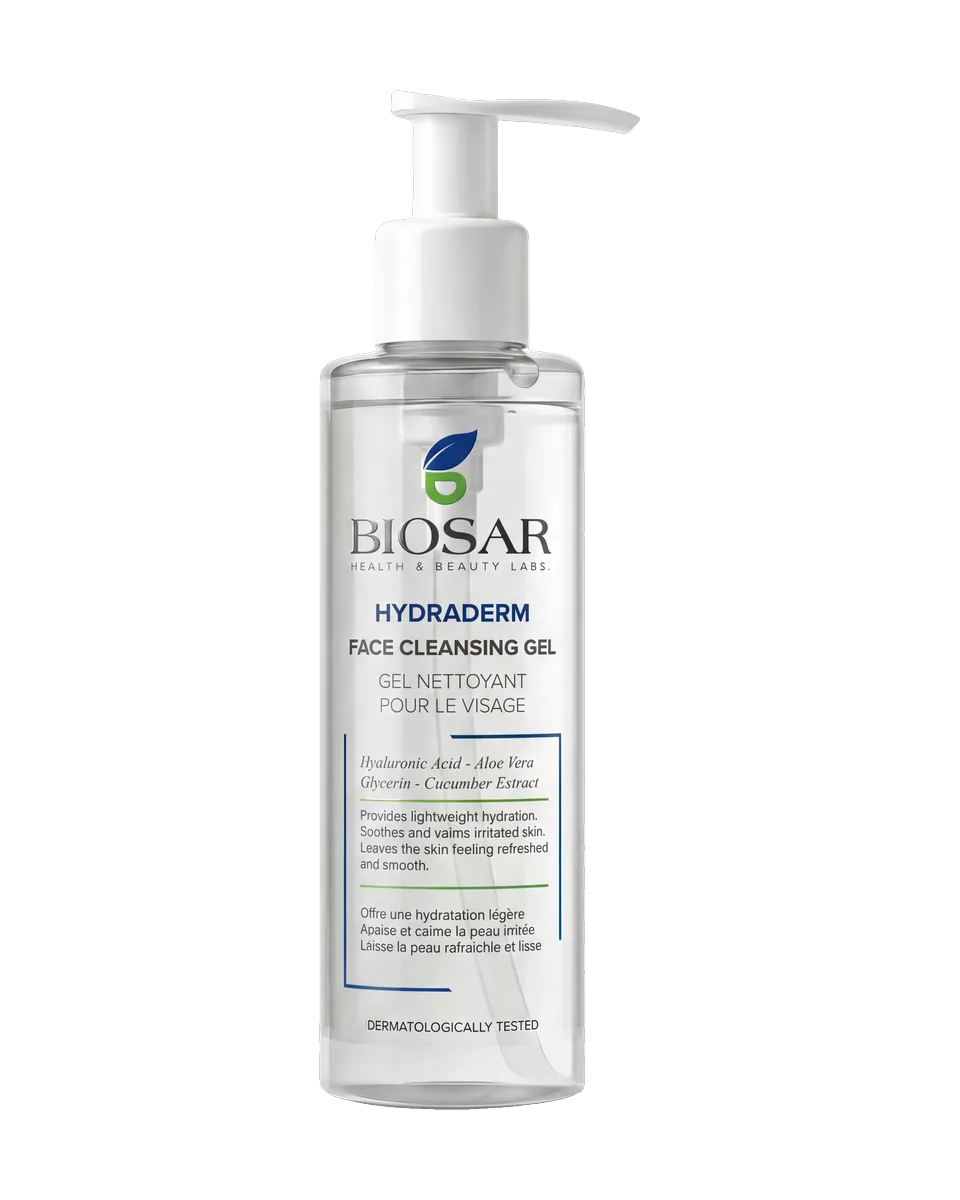
Hydraderm200 ml
Face Gel
Hyaluronic Acid · Aloe Vera · Glycerin
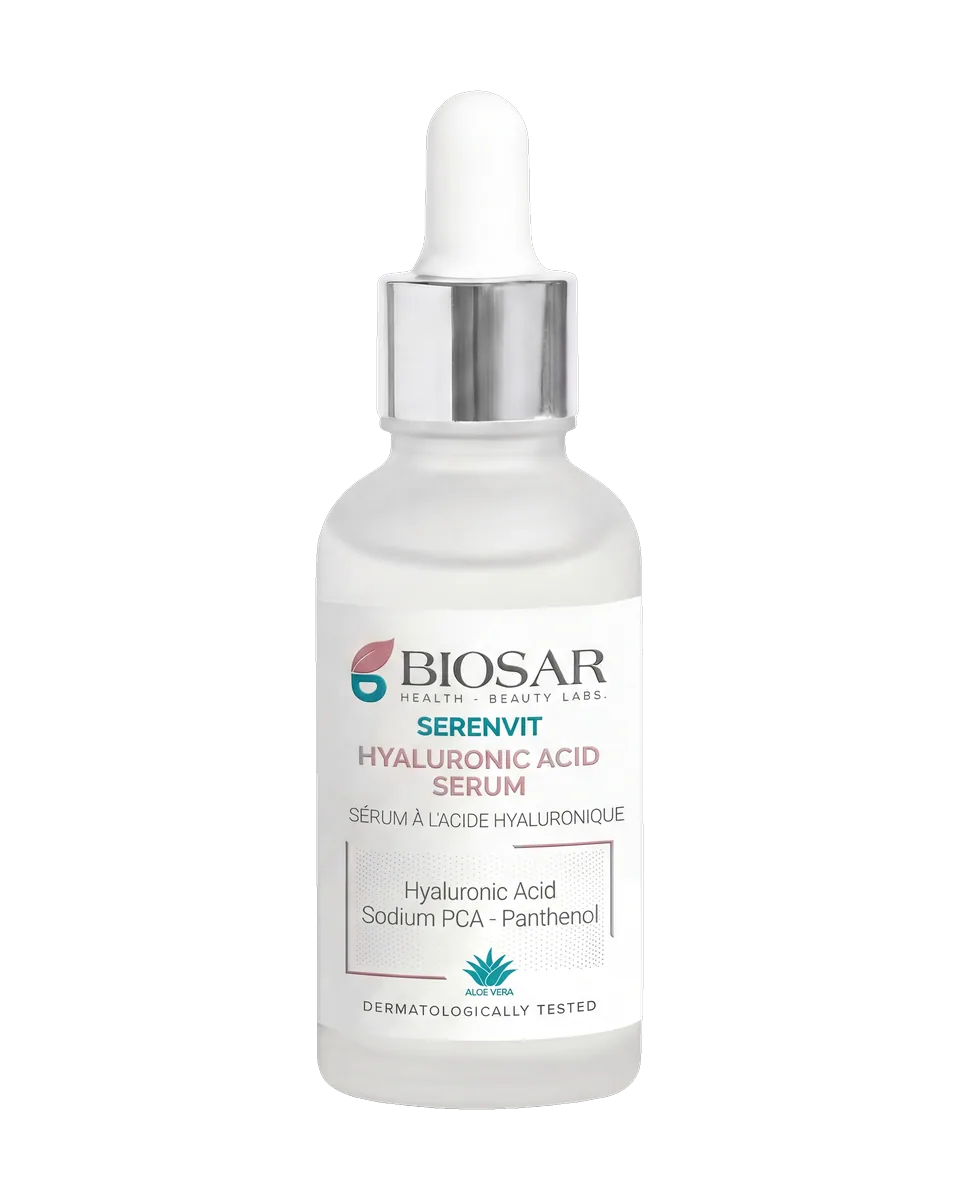
Serenvit30 ml
Hyaluronic Acid Serum
Hyaluronic Acid · Panthenol · Aloe Vera
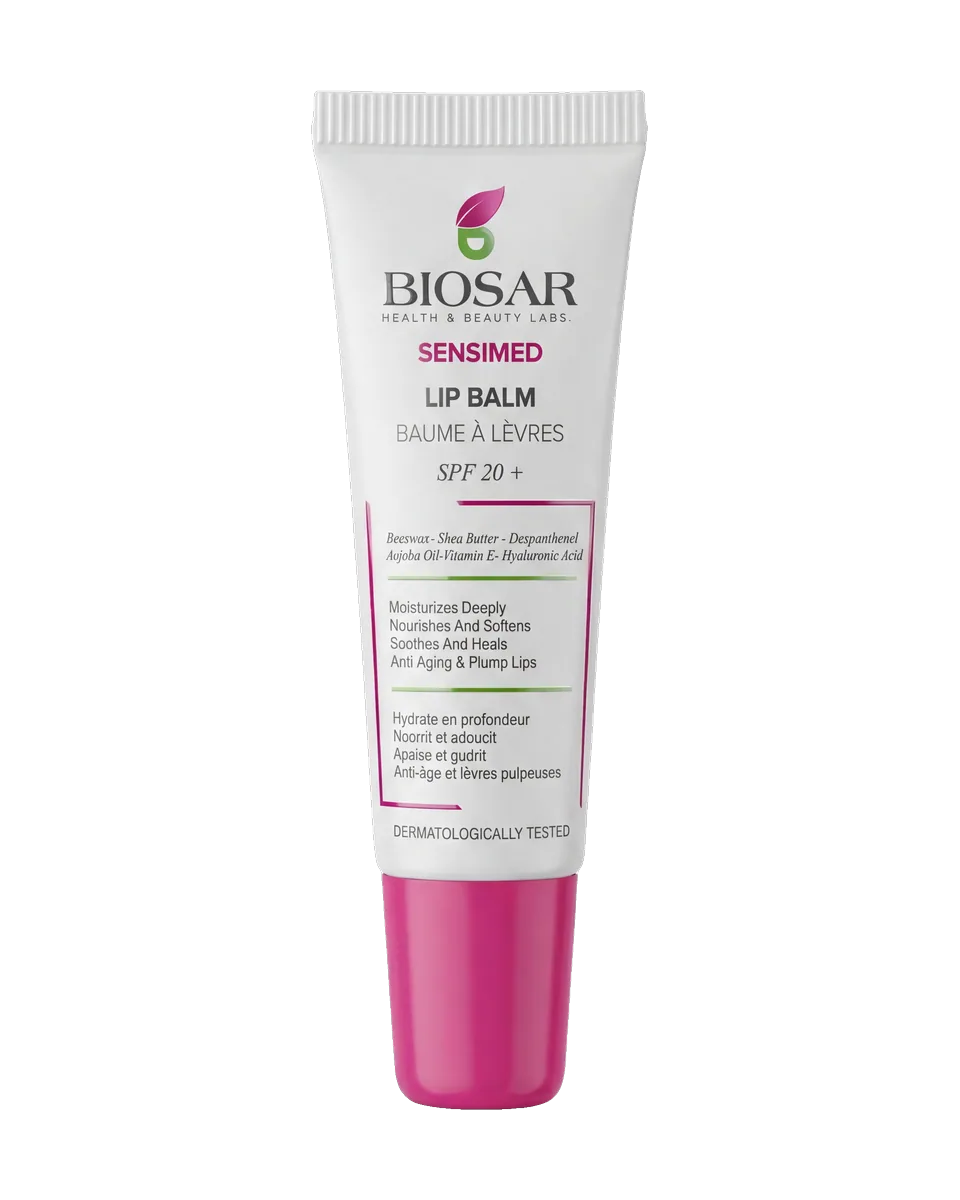
Sensimed10 ml
Sensimed Lip Balm
Shea Butter · Hyaluronic Acid · Vitamin E
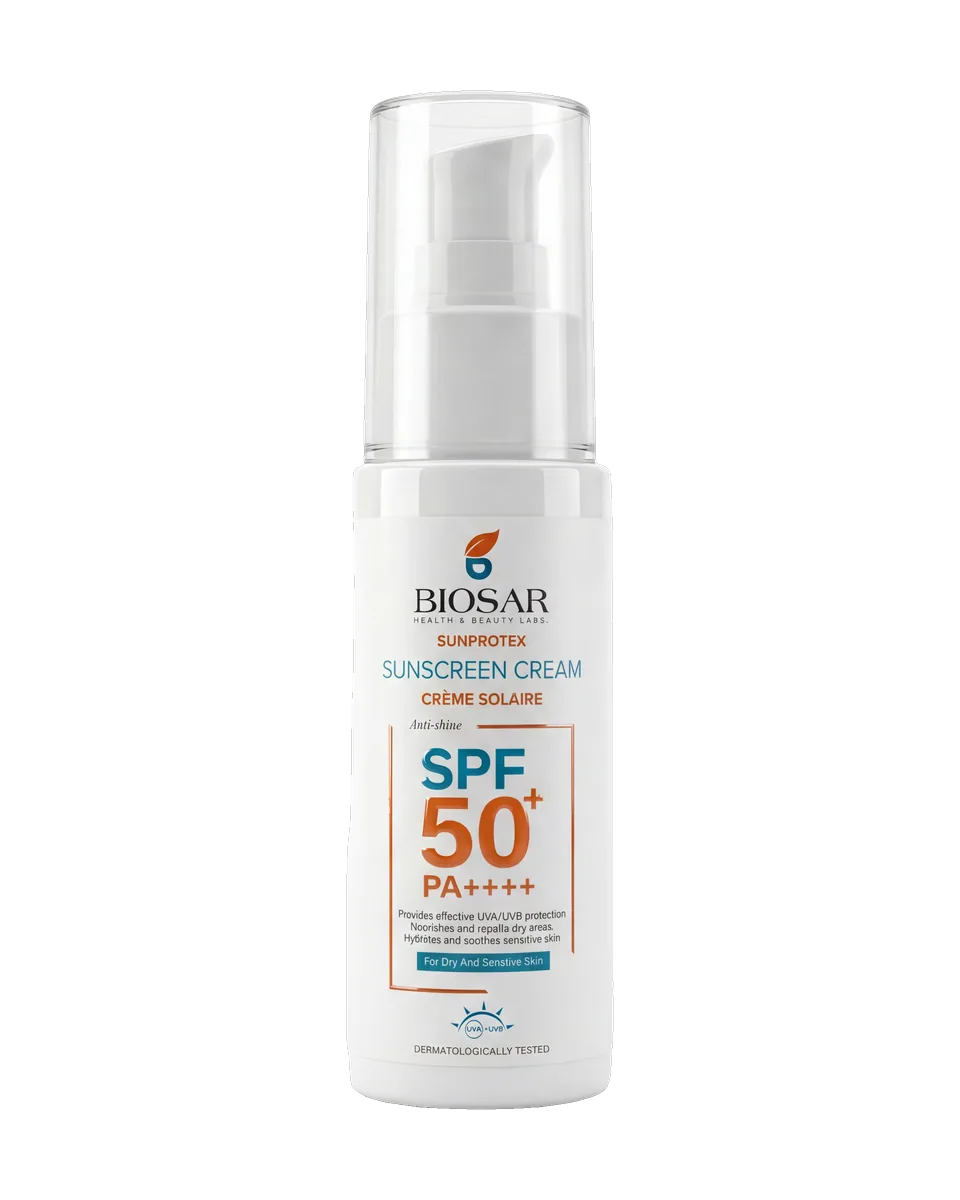
Sunprotex50 ml
Sunscreen for Dry and Sensitive Skin
Zinc Oxide · Hyaluronic Acid · Colloidal Oatmeal
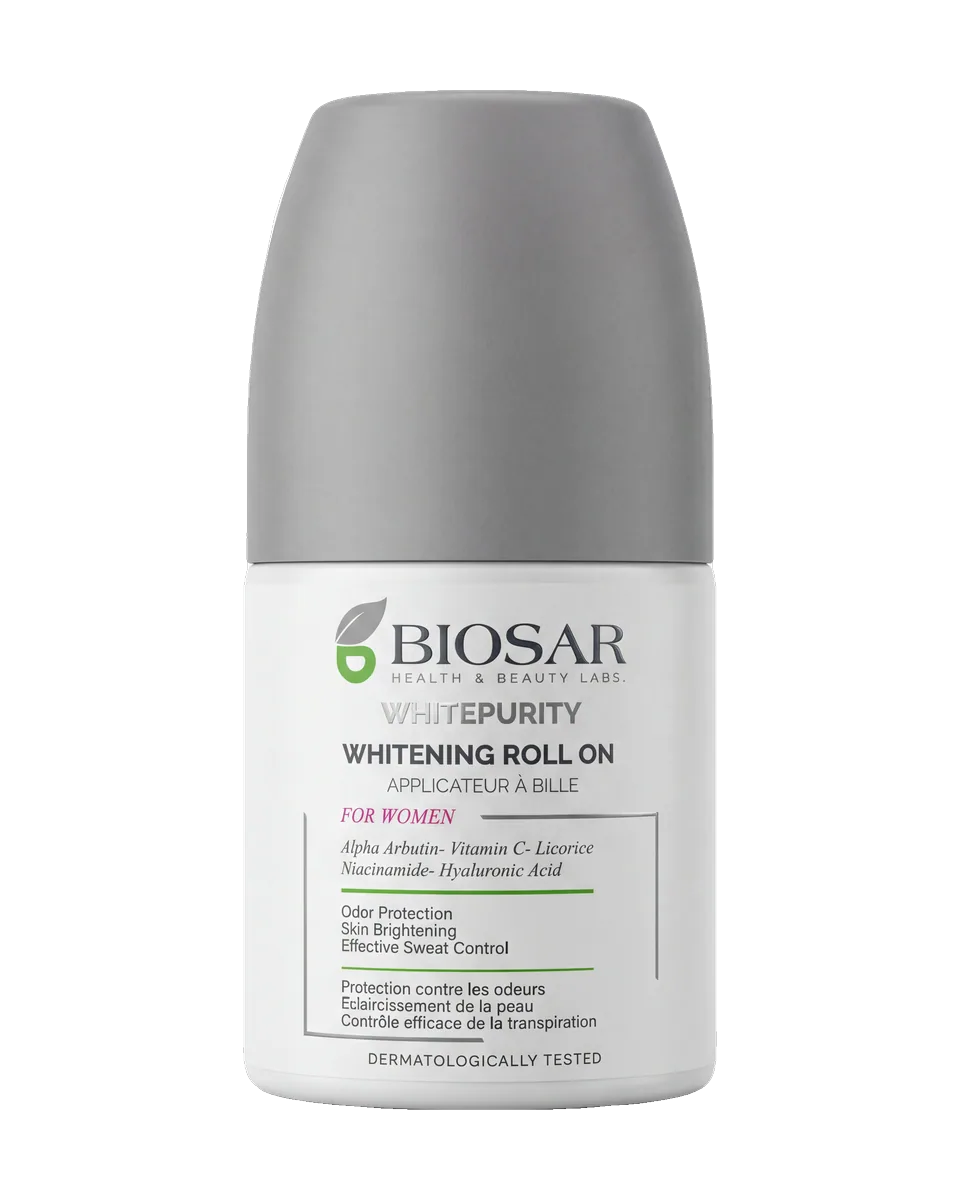
Whitepurity60 ml
Whitening Roll-On (For Women)
Alpha-Arbutin · Vitamin C · Niacinamide
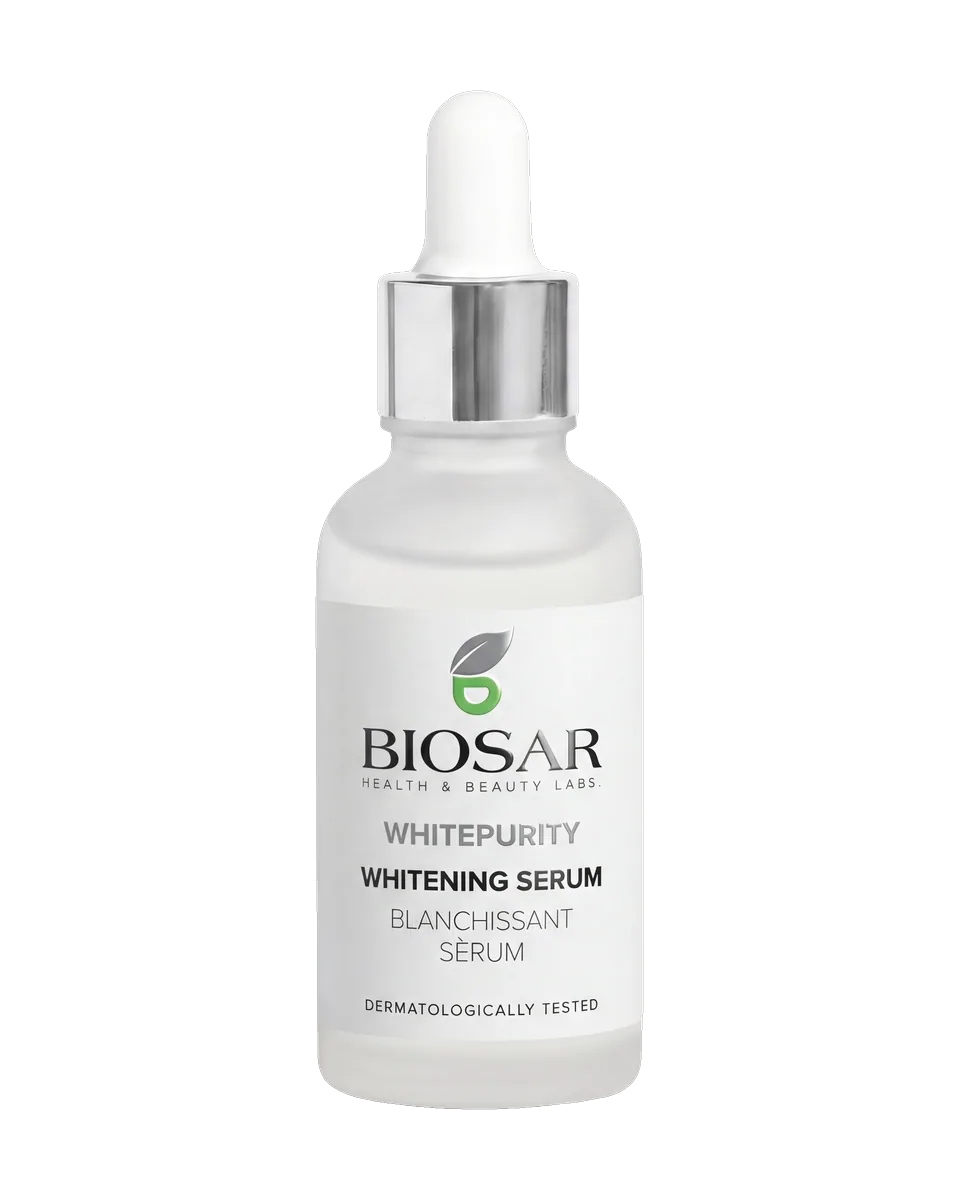
Whitepurity30 ml
Whitening Serum
Alpha-Arbutin · Niacinamide · Vitamin C