Concern
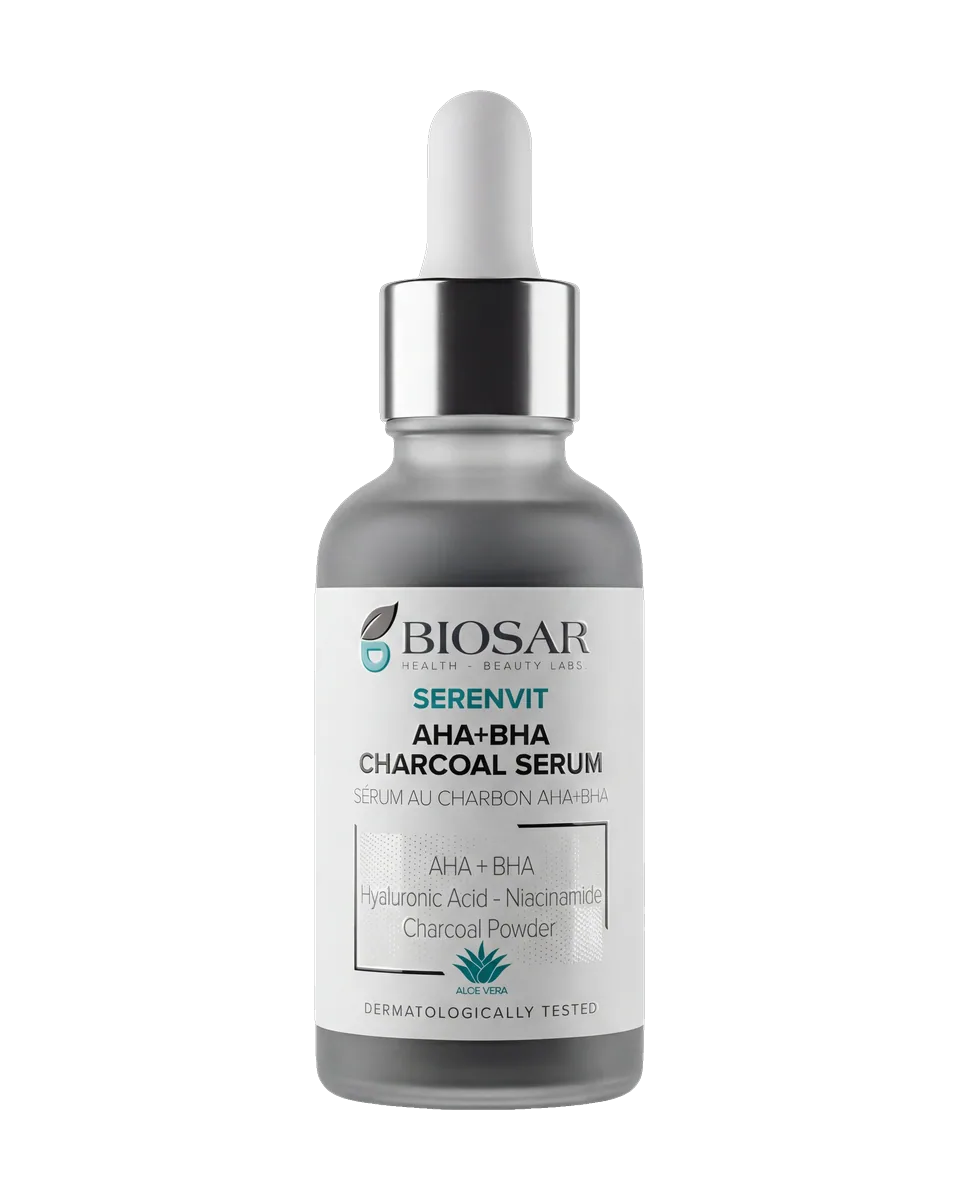
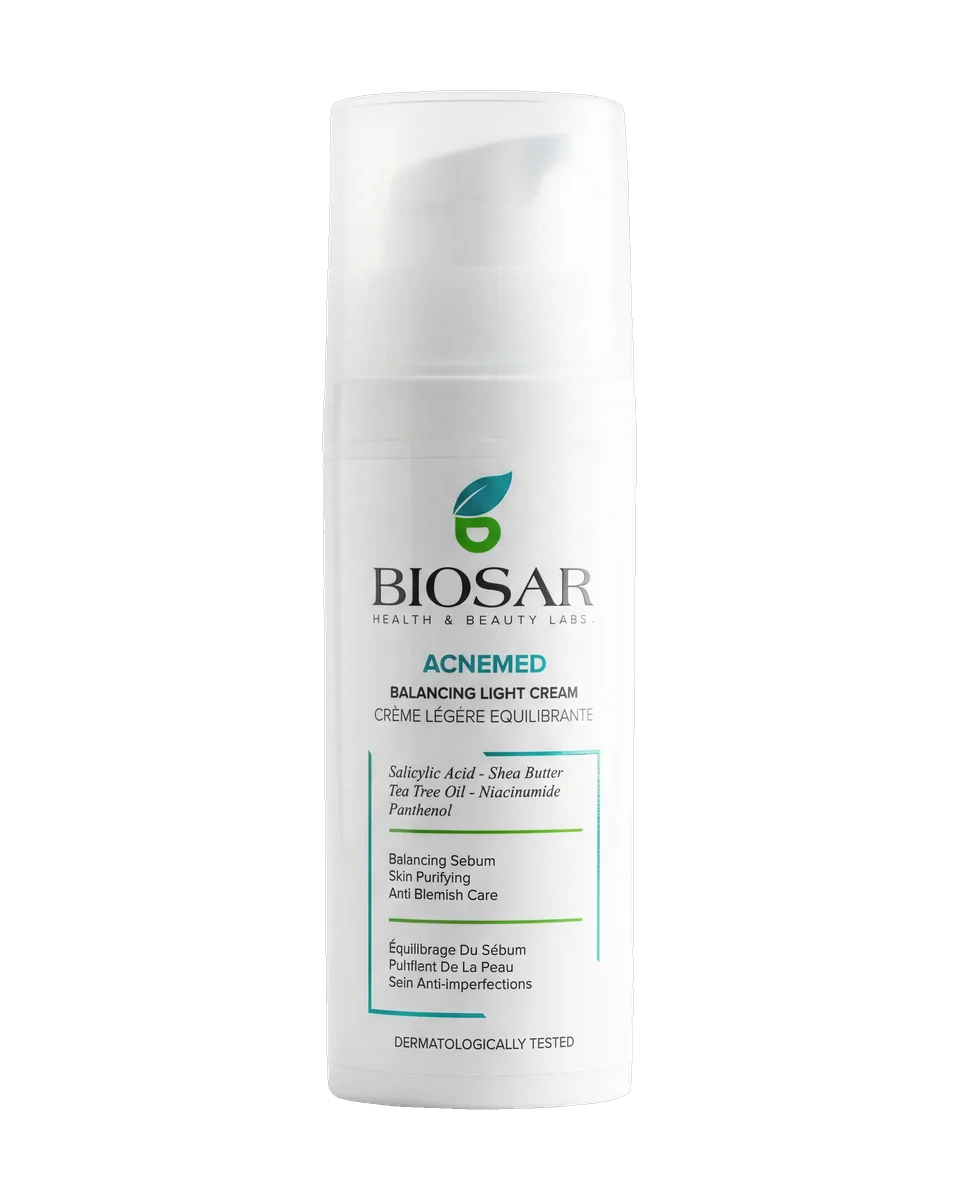
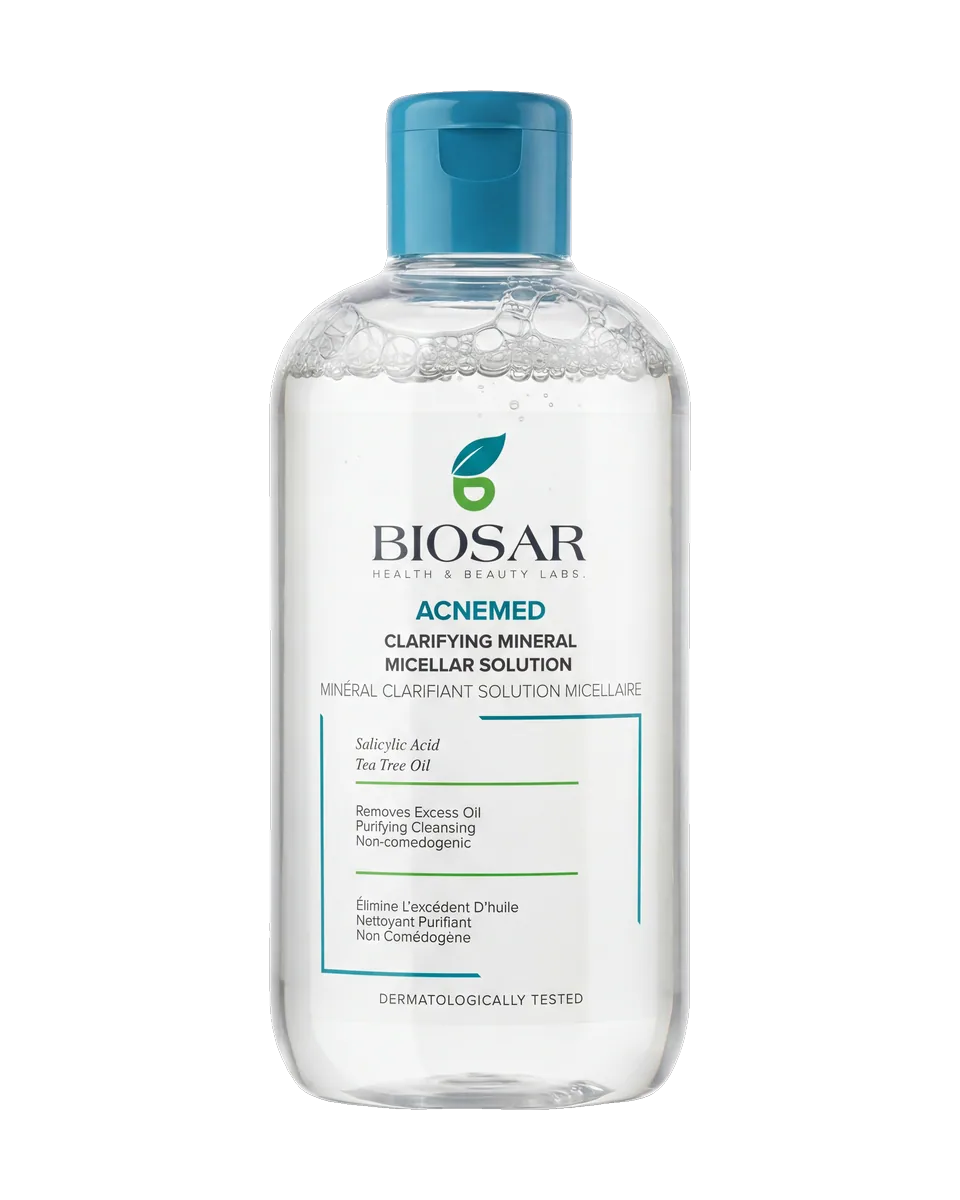
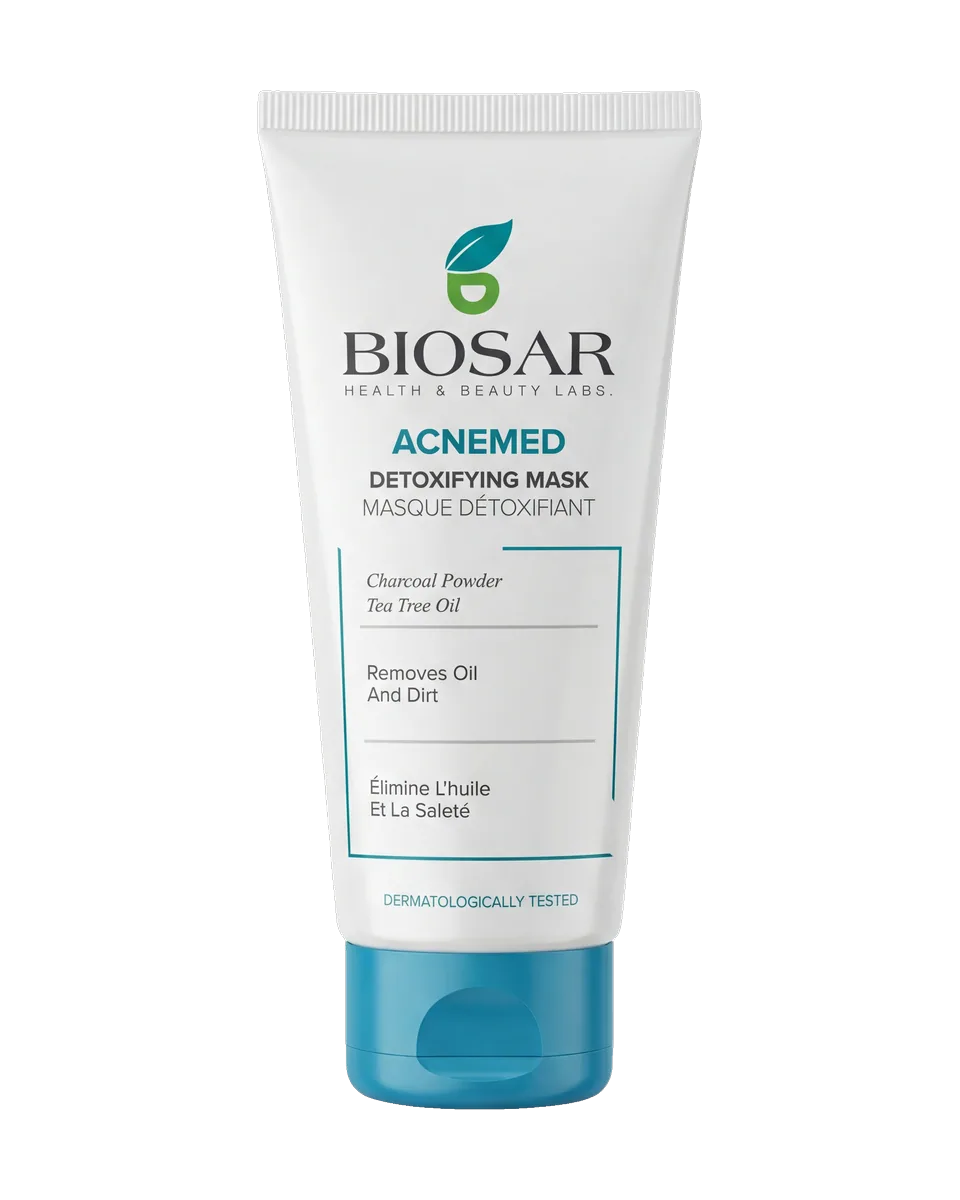
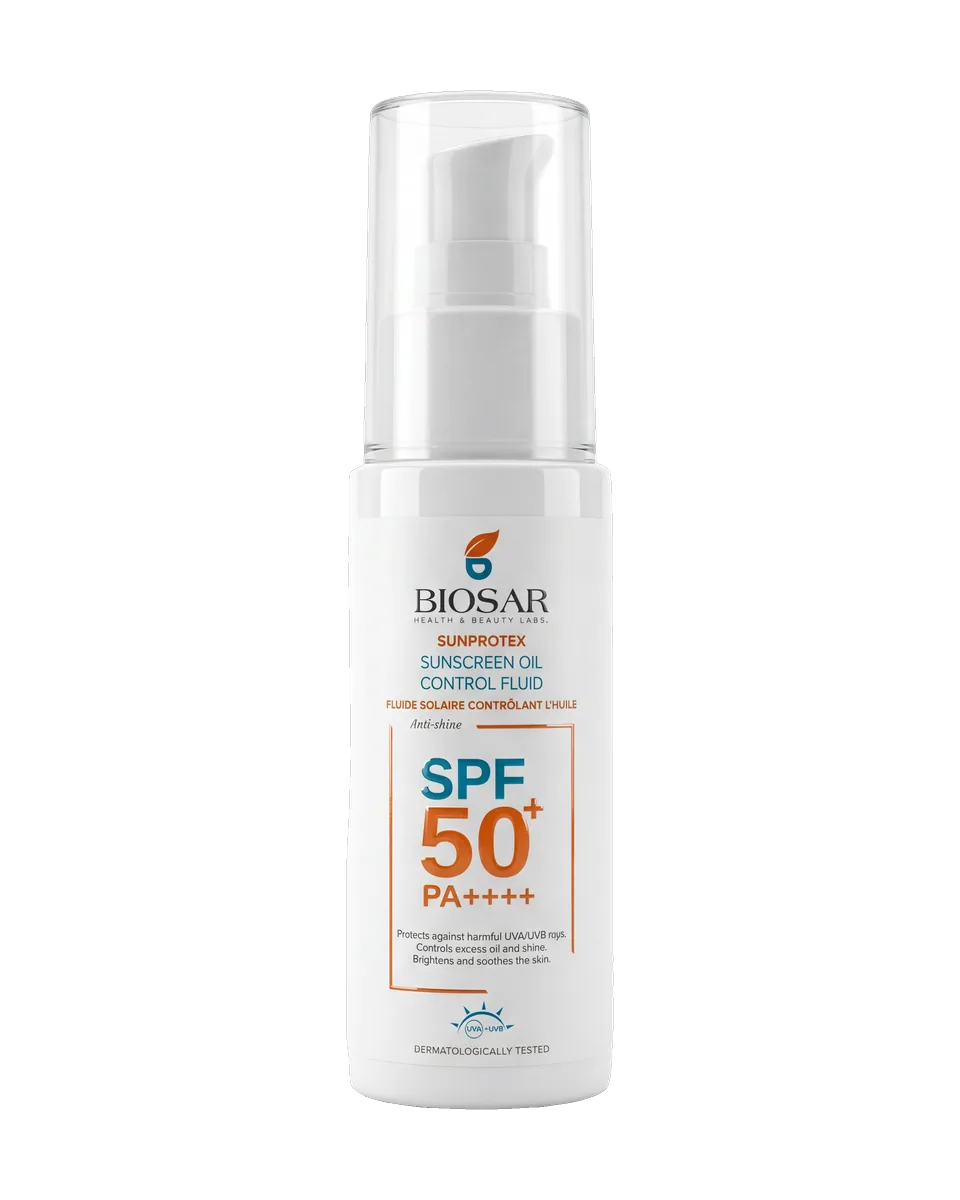
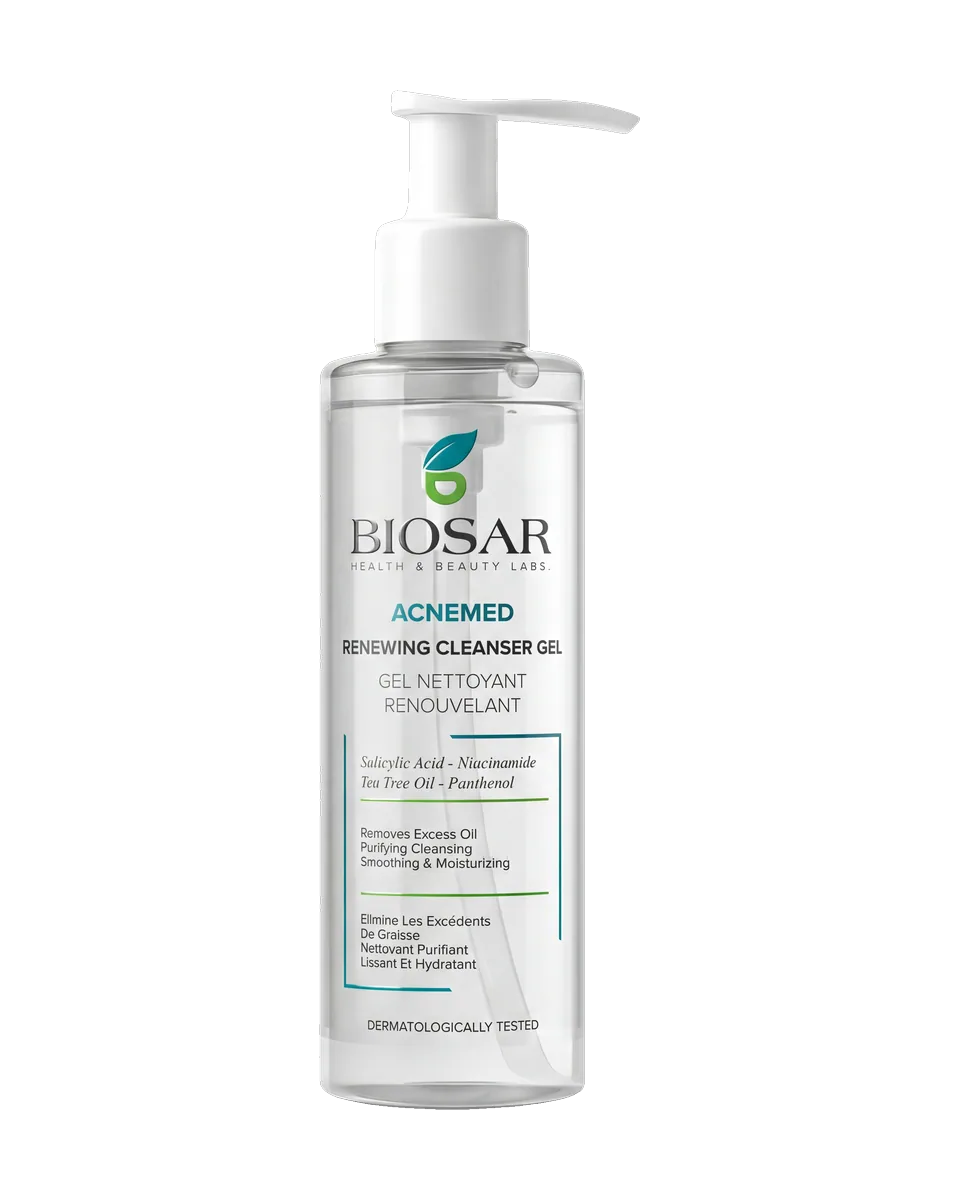
Acne is rarely just acne. It is the anxiety before a meeting, the photo you skip, the makeup routine that started as "a little" and is now twenty minutes. The marks last longer than the breakouts, and they carry the breakout's weight long after the skin has healed. The Acnemed range is the salicylic-acid-led routine BIOSAR built for the full cycle — clearing active blemishes, calming the inflammation that follows, and reducing the marks the breakouts leave behind. Designed under dermatological supervision.
Last reviewed by BIOSAR Scientific Team, PharmD, Cosmetic Chemistry, Pharmacy practice on .
Epidemiology
Acne is one of the most prevalent skin conditions worldwide. The Global Burden of Disease study ranks it as the eighth most common disease globally, with a peak incidence between ages 14 and 19 (Source: Tan & Bhate, Br J Dermatol 2015). Adolescent prevalence reaches 85% in industrialised populations, and adult acne — defined as persistent or new-onset lesions after age 25 — affects approximately 25% of adult women and 12% of adult men (Source: AAD 2024). In hot, humid climates, sebum oxidation and follicular plugging accelerate, and Fitzpatrick III–V skin tones develop post-inflammatory hyperpigmentation in roughly 65% of resolved acne lesions (Source: Davis & Callender, J Clin Aesthet Dermatol 2010), making concurrent pigment care a clinical priority.
Why it happens
Androgens — testosterone and dihydrotestosterone — drive sebaceous gland output. Adolescent puberty, the menstrual cycle, polycystic ovary syndrome, and certain hormonal contraceptives all elevate androgen signal. This explains why acne flares around the chin and jawline track hormonal patterns rather than skincare habits.
Excess sebum combines with retained corneocytes inside the follicle. The plug — called a microcomedone — is invisible for weeks before a visible blemish emerges. Topical salicylic acid penetrates the lipid-rich follicle, dissolves the corneocyte bonds, and unclogs pores. Niacinamide regulates sebum output upstream.
C. acnes thrives in the sealed follicle and releases peptides that activate the local immune response. The body's reaction to those peptides — not the bacteria alone — produces visible redness, swelling, and pus. Effective routines pair C. acnes-targeting actives with redness-soothing ones such as Niacinamide and Zinc PCA.
Mechanism
Acne is rarely a single-cause condition. Four mechanisms operate in parallel inside every active lesion, and they reinforce one another. Targeting only one — the mistake behind most failed routines — leaves the remaining three to keep the cycle going. Each mechanism below sits in a published clinical pathway with decades of evidence behind it.
The pilosebaceous unit produces sebum continuously. Androgen hormones — testosterone and its more potent metabolite dihydrotestosterone — drive sebaceous gland output, which is why acne tracks puberty and menstrual cycles. The same hormonal signal accelerates the rate at which keratinocytes line the follicle, and these cells fail to shed normally. The dysregulation is local: sebaceous glands carry their own 5-alpha-reductase enzyme, so even normal circulating androgen levels can produce hyperactive sebum output if the gland is unusually sensitive.
The result is a microcomedone: a microscopic plug of sebum and corneocytes wedged in the follicular opening. Microcomedones are invisible at the surface but form weeks before any visible blemish appears. Sebum composition itself shifts in acne-prone skin — squalene oxidises faster, ceramide content drops, and free fatty acid ratios rise — making the lipid mix more comedogenic. Topical retinoids and salicylic acid both target this step. Salicylic acid is lipid-soluble, penetrates the sebum-rich follicle, and dissolves the corneocyte bonds that hold the plug together. Niacinamide regulates sebum output and reduces follicular keratinization in parallel, with controlled studies showing roughly a 30% reduction in casual sebum levels after four weeks of consistent use.
Cutibacterium acnes is a normal resident of healthy skin. It becomes a problem only when the follicular environment shifts: a sealed, anaerobic, sebum-rich pocket is its ideal niche. Inside the plugged follicle, C. acnes proliferates and releases lipases that hydrolyse sebum triglycerides into free fatty acids, porphyrins that generate reactive oxygen species, and pro-inflammatory peptides. Recent strain-level research shows that some C. acnes ribotypes are strongly associated with acne while others are commensal in clear skin — bacterial diversity, not bacterial presence, is the relevant variable.
These molecules activate Toll-like receptor 2 on local immune cells and trigger interleukin-1, IL-8, and TNF-alpha release. The follicle wall ruptures into the surrounding dermis, releasing keratin and bacteria into tissue. That rupture — not bacteria alone — produces the visible papule, pustule, or nodule. This is why C. acnes-targeting action without redness-soothing action falls short. A modern routine pairs both: C. acnes targeting through Salicylic Acid and Tea Tree Oil, and redness modulation through Niacinamide and Zinc PCA. The dual approach also explains why oral antibiotics alone often fall short long-term — they suppress bacteria but do not address the underlying follicular plugging or the redness profile of the lesion bed.
Once a lesion resolves, the work is not over for skin tones IV through VI. The same inflammatory signal that produced the papule also activated melanocytes in the lesion bed. The result is a brown or violet mark that can persist for three to twelve months — post-inflammatory hyperpigmentation, or PIH.
PIH affects roughly 65% of acne sufferers with Fitzpatrick III–V skin tones and is the single most cited reason many patients describe acne as scarring even when no true scar tissue forms. Niacinamide, alpha-arbutin, and tranexamic acid each suppress tyrosinase and reduce melanin transfer, which is why BIOSAR formulations for blemish-prone skin pair active acid systems with pigment-fading actives. Daily broad-spectrum SPF is non-negotiable: UV exposure deepens existing PIH and slows fade time.
Barrier disruption is the parallel concern. Aggressive cleansers, alcohol-based toners, and over-application of actives strip the lipid barrier and trigger compensatory sebum production — the paradox where harsher routines worsen oil. The clinical correction is counterintuitive: gentler cleansing, fewer actives at the same time, and consistent ceramide-rich moisturisation. Healthy barrier function is a prerequisite for tolerating salicylic acid and retinoids long enough to see results, which take eight to twelve weeks of consistent use.
Pharmacist's note
When patients ask why their acne returns, we point them to the four-step cycle. Treating one step alone fails. The BIOSAR Charter pushes formulators to address sebum, keratinization, microbial colonisation, and inflammation simultaneously — that is the difference between clearing a flare and breaking the cycle.
From the BIOSAR ranges
The science
Acne is a follicular loop of excess sebum, cell buildup, and inflammation, and it clears fastest when a routine works on all three at once. Salicylic Acid penetrates the pore to clear buildup, Niacinamide calms oil and inflammation, and Tea Tree Oil steadies the surface. Visible change follows four to eight weeks of use.
Related conditions
Acne is not caused by poor hygiene. It comes from oil, bacteria, and inflammation working together inside the follicle. Adult acne is often driven by hormonal cycles, stress, and impaired barrier function — not cleansing frequency.
Most consistent routines show visible improvement over two to six weeks. Skin typically worsens slightly during the first two weeks as the turnover increases. Stick with the routine and avoid layering too many actives at once.
Where to look next
Sustained psychological stress raises cortisol, which sensitises the sebaceous gland to existing androgens and amplifies inflammation. Sleep loss compounds the effect. This is why acne worsens during exam periods, shift work, and prolonged anxiety even when topical care is unchanged.
High-glycaemic foods and dairy correlate with acne severity in controlled studies (Cao H et al., Cochrane Database Syst Rev 2022). The mechanism appears to run through insulin and IGF-1, which both upregulate sebum production. Evidence is moderate rather than absolute, so dietary change supports — but does not replace — topical care.
Aggressive cleansing, alcohol-based toners, and over-exfoliation strip the lipid barrier. A compromised barrier loses water rapidly, signals stress to the sebaceous gland, and can paradoxically increase oil output. Gentle pH-balanced cleansing and ceramide-rich moisturisers protect the barrier while actives work.
It is possible but not recommended for reactive skin. Alternate nights or use Salicylic Acid in the morning and Retinol at night. Always finish the morning routine with broad-spectrum SPF50+.
For some people, high-glycemic foods and dairy correlate with increased flare-ups. Diet is one factor among many and rarely the dominant one. Consistent topical care remains the foundation of acne management.