Concern
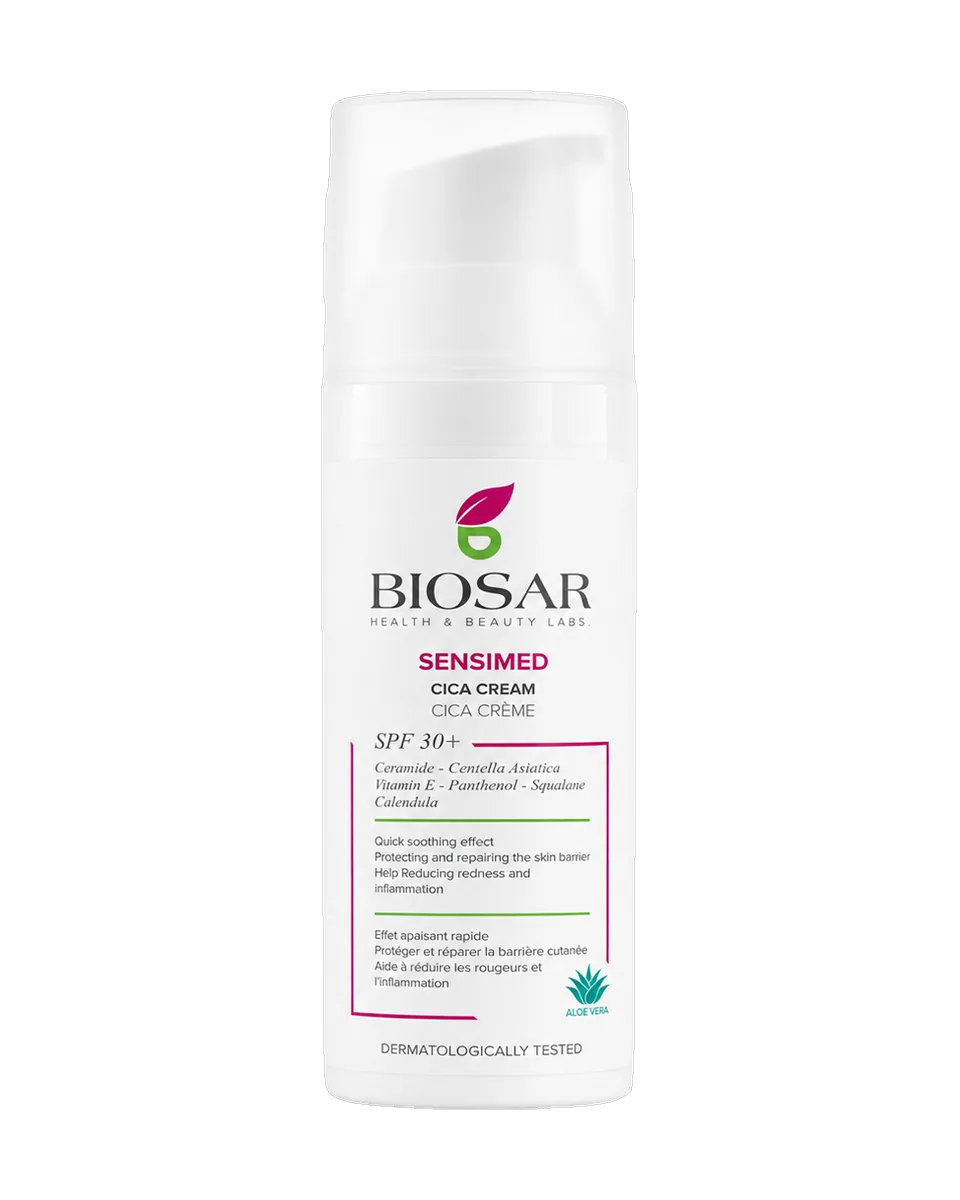
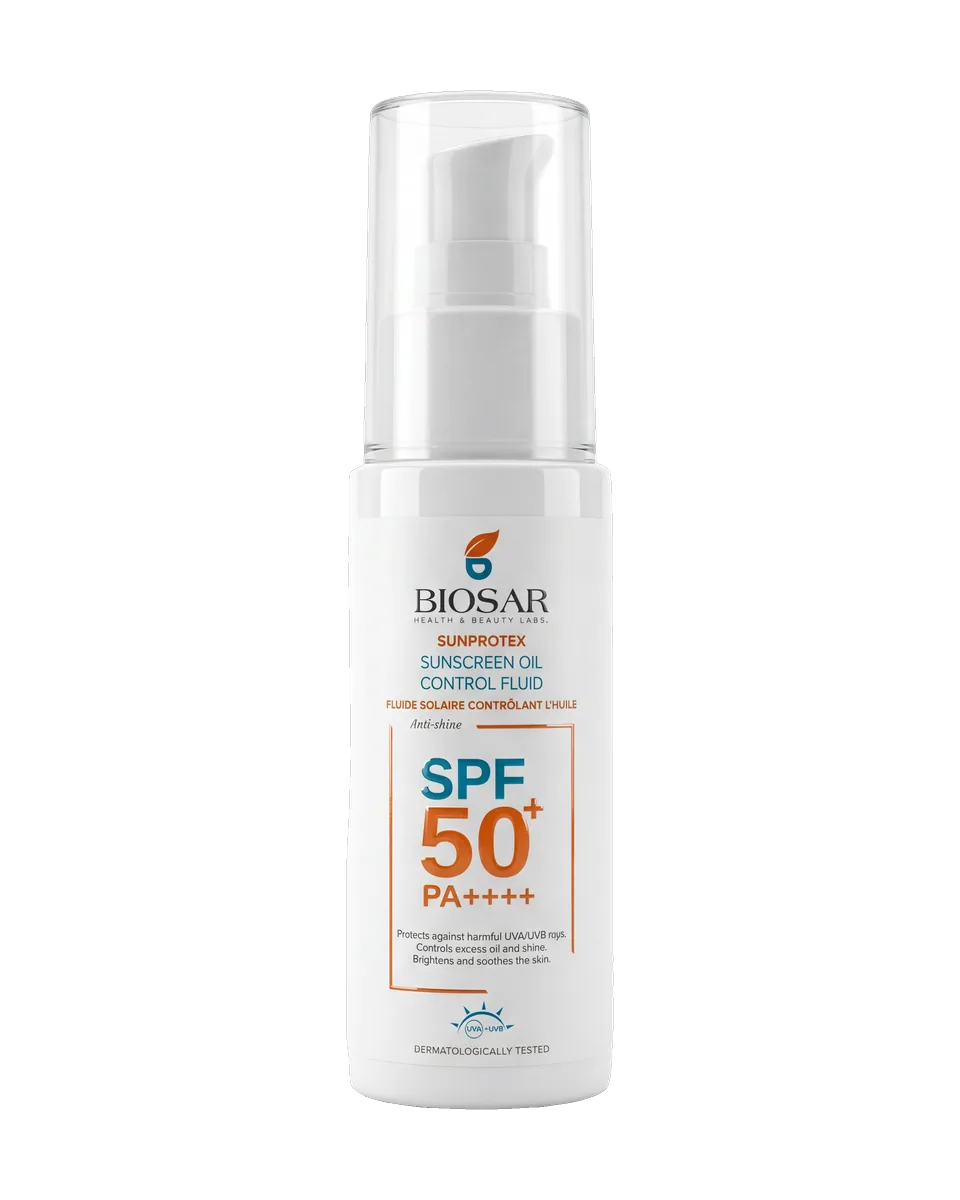
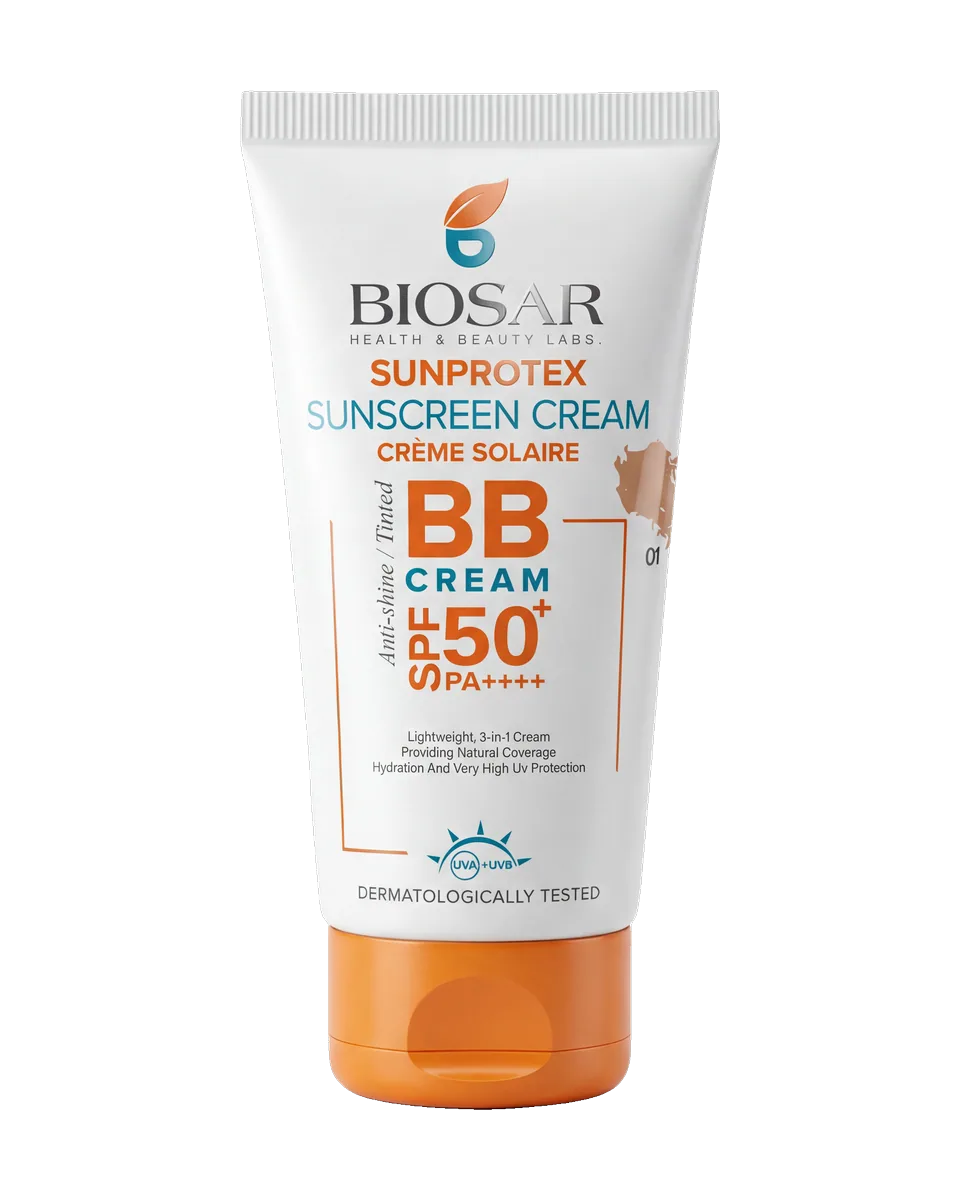
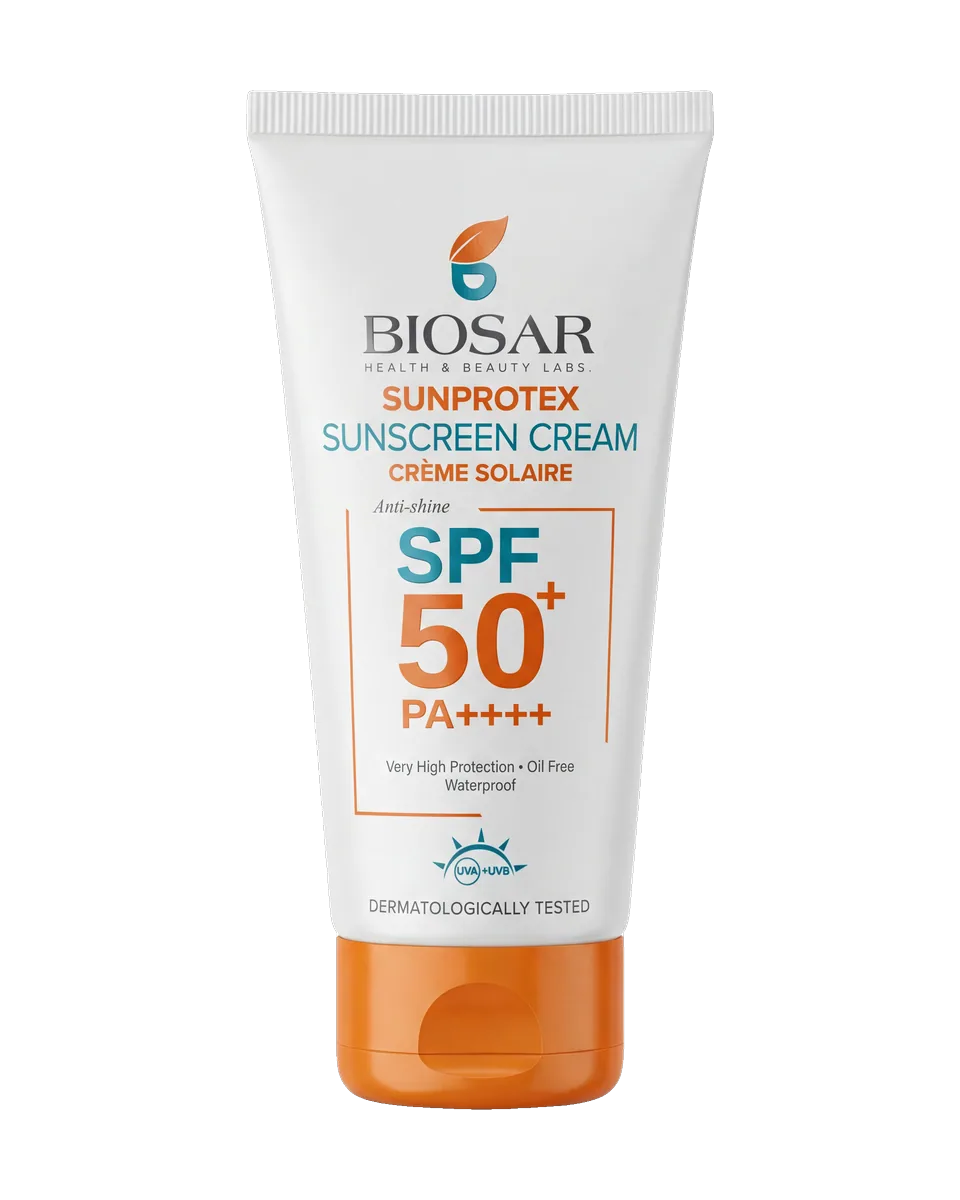
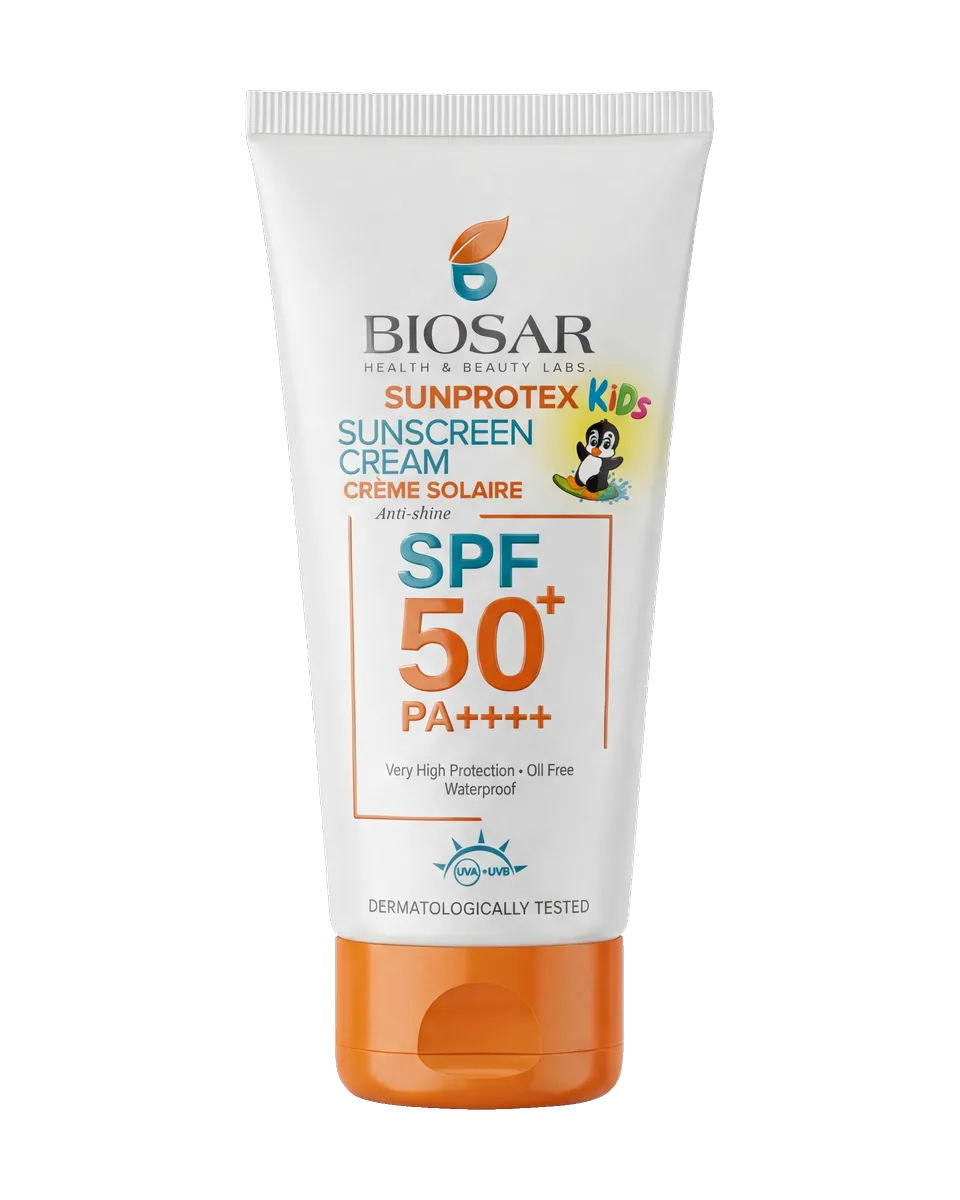
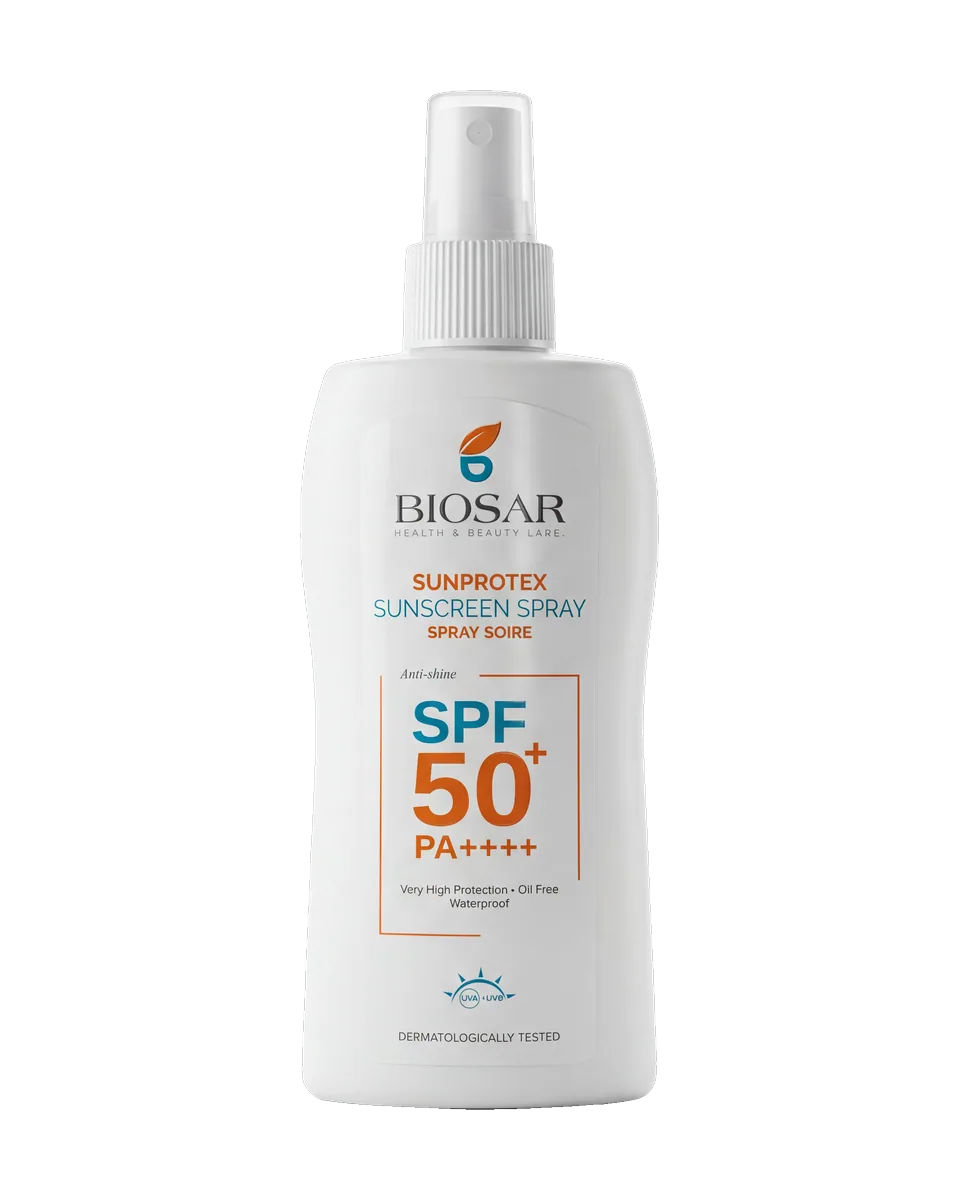
Sun damage is the cumulative photoaging caused by ultraviolet radiation, presenting as solar lentigines, irregular pigmentation, fine lines, deeper wrinkles, leathery texture, and elevated skin cancer risk. UVA penetrates the dermis and drives collagen breakdown; UVB damages epidermal DNA and triggers melanin overproduction. Photoaging accounts for an estimated 80% of premature visible skin aging. Daily broad-spectrum SPF, antioxidant serums, and pigmentation correctors reverse early damage and prevent further progression. The BIOSAR Sunprotex range delivers broad-spectrum UVA + UVB protection layered with antioxidants for measurably stronger photoprotection.
Last reviewed by BIOSAR Scientific Team, PharmD, Cosmetic Chemistry, Pharmacy practice on .
Epidemiology
Photoaging is the dominant pathway through which skin shows visible age. The exposome model attributes approximately 80% of premature visible facial aging to extrinsic factors — UV radiation, pollution, smoking, diet — with UV exposure carrying the largest individual share (Source: Krutmann et al., J Dermatol Sci 2017). The Hughes 2013 randomised trial in Annals of Internal Medicine remains the single strongest piece of evidence: daily broad-spectrum sunscreen use over 4.5 years reduced visible skin aging by 24% compared with discretionary use, in a population aged 25 to 55. In hot, sun-rich regions, WHO solar UV index data shows daily values regularly exceeding 8 (very high) from April through October and frequently exceeding 11 (extreme) at midday. Fitzpatrick IV–VI skin tones receive partial natural photoprotection from melanin but remain susceptible to dermal collagen breakdown, post-inflammatory hyperpigmentation, and accelerated photoaging — and the protection myth around darker skin tones drives low SPF adherence and higher cumulative damage over time.
Why it happens
Photoaging is dose-dependent and cumulative. Childhood and adolescent sun exposure account for an estimated 25% of total lifetime dose by age 18 in heavily exposed populations, and damage from those years remains visible decades later. Daily broad-spectrum SPF from the first decade of life, not from the first wrinkle, is the highest-leverage prevention strategy.
Two grams of sunscreen per square metre is the laboratory test condition; consumer application averages roughly half that, so real-world SPF protection is consistently lower than the label. Reapplication every two hours during sun exposure and after swimming or sweating is non-negotiable. Daily morning application of broad-spectrum SPF 30 or higher remains the single highest-leverage anti-aging intervention in published evidence.
Hot, equatorial, and high-altitude environments register daily UV indices of 8 to 12+ for extended portions of the year. Each unit of UV index above 6 represents a meaningful step up in DNA-damage and photoaging rates. Climate alone compresses the visible-photoaging timeline by an estimated five to ten years compared with northern temperate populations.
Indoor tanning beds emit predominantly UVA at 10 to 15 times the intensity of midday sun. WHO classifies them as Group 1 carcinogens. Each session before age 35 raises melanoma risk by approximately 75%. The cosmetic outcome is also poor: tanning bed use compresses the visible-photoaging timeline more sharply than equivalent sun exposure.
Tetracyclines, fluoroquinolones, certain diuretics (hydrochlorothiazide), retinoids, and several anti-inflammatories increase UV sensitivity. Patients on these medications burn faster, develop pigmentation more readily, and experience accelerated photoaging at unchanged exposure levels. Daily broad-spectrum SPF 50 and protective clothing are clinically appropriate during the treatment window.
Mechanism
Ultraviolet damage operates through three biological cascades that progress in parallel every time skin is exposed without protection. The cascades begin within minutes of exposure, persist for hours after the sun sets, and accumulate across decades. Each one responds to specific protective and corrective interventions, and effective sun care addresses all three rather than any single mechanism in isolation.
Solar ultraviolet radiation reaching skin is approximately 95% UVA (320–400 nm) and 5% UVB (290–320 nm). UVB has higher energy per photon and is absorbed in the epidermis. It directly damages keratinocyte DNA through formation of cyclobutane pyrimidine dimers and 6-4 photoproducts (Source: Pfeifer & Besaratinia, Photochem Photobiol Sci 2012). When the cellular nucleotide-excision repair pathway fails to remove these dimers before mitosis, mutations fix permanently. The mutational signature of UVB — the C-to-T transition at dipyrimidine sites — is the molecular fingerprint found in the majority of non-melanoma skin cancers.
UVA carries less energy per photon but penetrates deeper, reaching the dermis where it interacts with endogenous chromophores — riboflavin, porphyrins, melanin precursors — to generate reactive oxygen species. UVA is also more abundant: 20 to 100 times the daily UVB dose at any given time, present even on cloudy days, and capable of penetrating window glass. Modern broad-spectrum sunscreens are tested for both UVB protection (SPF rating) and UVA protection (PPD or PA+++ rating in international systems). A high SPF without a high UVA rating leaves the dermal damage pathway largely uncovered. BIOSAR Sunprotex formulations are tested for both and disclose the PPD value alongside SPF.
UVA-driven reactive oxygen species activate matrix metalloproteinases (MMP-1, MMP-3, MMP-9) within fibroblasts in the dermis. These enzymes cleave Type I and Type III collagen at specific peptide bonds, and over years of exposure, they dismantle the structural mesh that gives skin its firmness and smoothness. The same oxidative load damages elastin fibres, but elastin damage manifests differently — instead of fragmenting cleanly, photo-aged elastin accumulates in disordered clumps known as solar elastosis, the histological hallmark of chronically sun-exposed skin.
Visible signs follow a predictable progression. Fine lines around the eyes appear in the late twenties in heavily exposed populations. Deeper wrinkles, sallow tone, mottled pigmentation, and visible telangiectasia accumulate through the thirties and forties. By the fifties, the leathery texture and deep furrows characteristic of advanced photoaging are established. The intervention paradox is that every step of this progression is preventable with daily broad-spectrum SPF — and the Hughes 2013 trial confirmed that even at age 25–55, daily SPF visibly slows progression. Topical antioxidants (vitamin C, vitamin E, ferulic acid) extend SPF coverage by neutralising the reactive oxygen species that escape sunscreen filtration; retinoids stimulate dermal collagen synthesis to gradually rebuild what photoaging has dismantled.
Melanocytes are the third front. UVA and UVB both stimulate melanogenesis as a defensive response: epidermal keratinocytes release alpha-MSH and other signalling peptides, melanocytes upregulate tyrosinase activity, and pigment synthesis accelerates. The resulting tan is biologically a damage response, not a sign of healthy skin. Repeated melanogenic stimulation over years produces solar lentigines — the discrete brown macules popularly called age spots or sun spots — and diffuse irregular pigmentation that obscures skin clarity.
Oxidative stress amplifies every other pathway. UV exposure depletes endogenous antioxidants — vitamin E in the lipid phase, vitamin C and glutathione in the aqueous phase, superoxide dismutase inside cells. Without replenishment, repeated exposures find skin progressively less able to neutralise reactive oxygen species, so the same UV dose does increasingly more cumulative damage with each decade. Topical antioxidants in the morning routine restore the depleted pool: vitamin C at 10–20% L-ascorbic acid concentration, stabilised with vitamin E and ferulic acid, provides eight times the photoprotection of any single antioxidant alone (Pinnell formulation, Duke University 2005). Niacinamide adds a third layer by upregulating cellular NAD+ and supporting mitochondrial repair after UV exposure. Daily SPF plus morning antioxidant plus evening retinoid is the published evidence-based stack for both prevention and partial reversal of photoaging.
Pharmacist's note
Daily broad-spectrum SPF is the single highest-leverage anti-aging intervention in published evidence. It outranks every retinoid, every peptide, every serum on the market — including the products in our own range. The most expensive corrective routine cannot reverse what this morning's unprotected sun exposure is doing.
From the BIOSAR ranges


The science
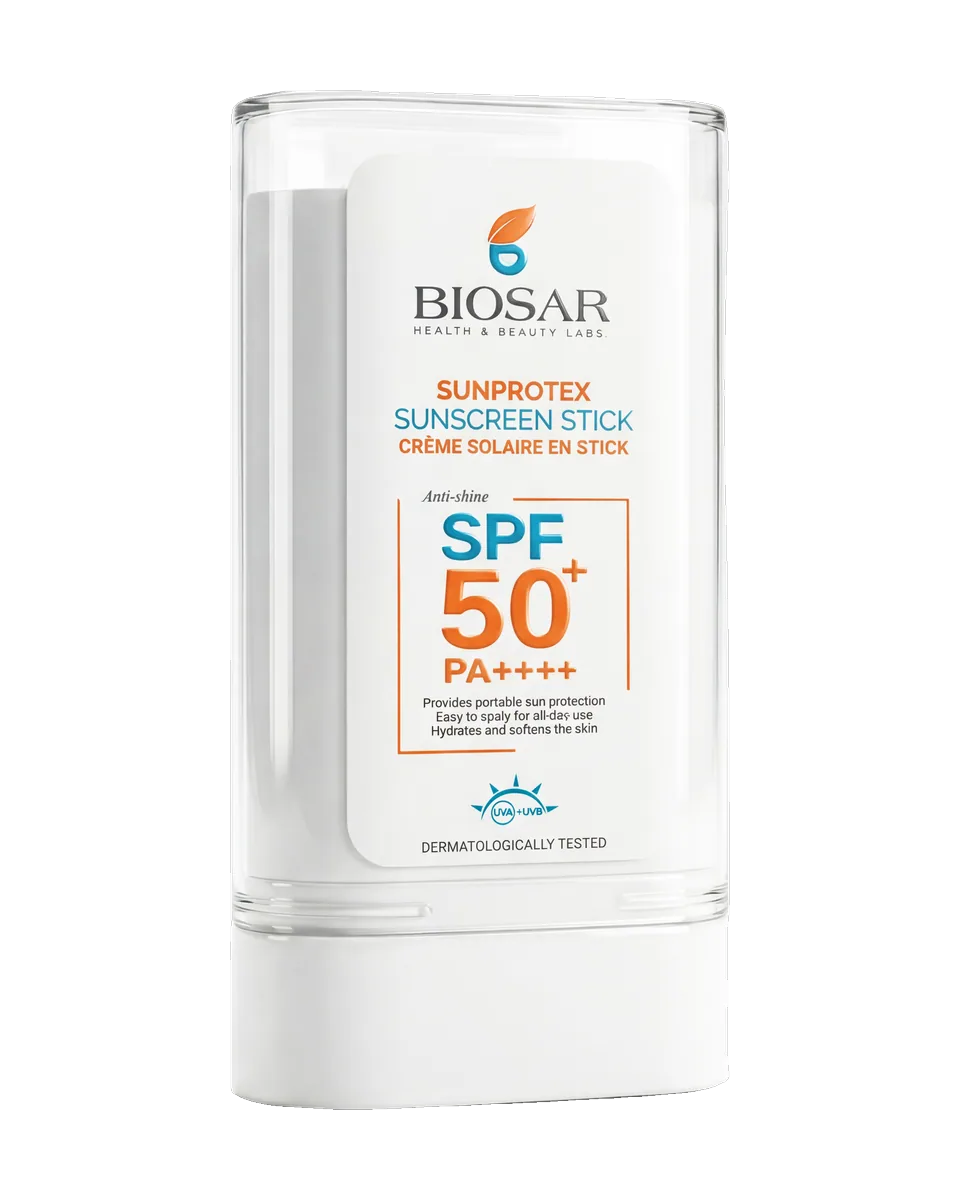
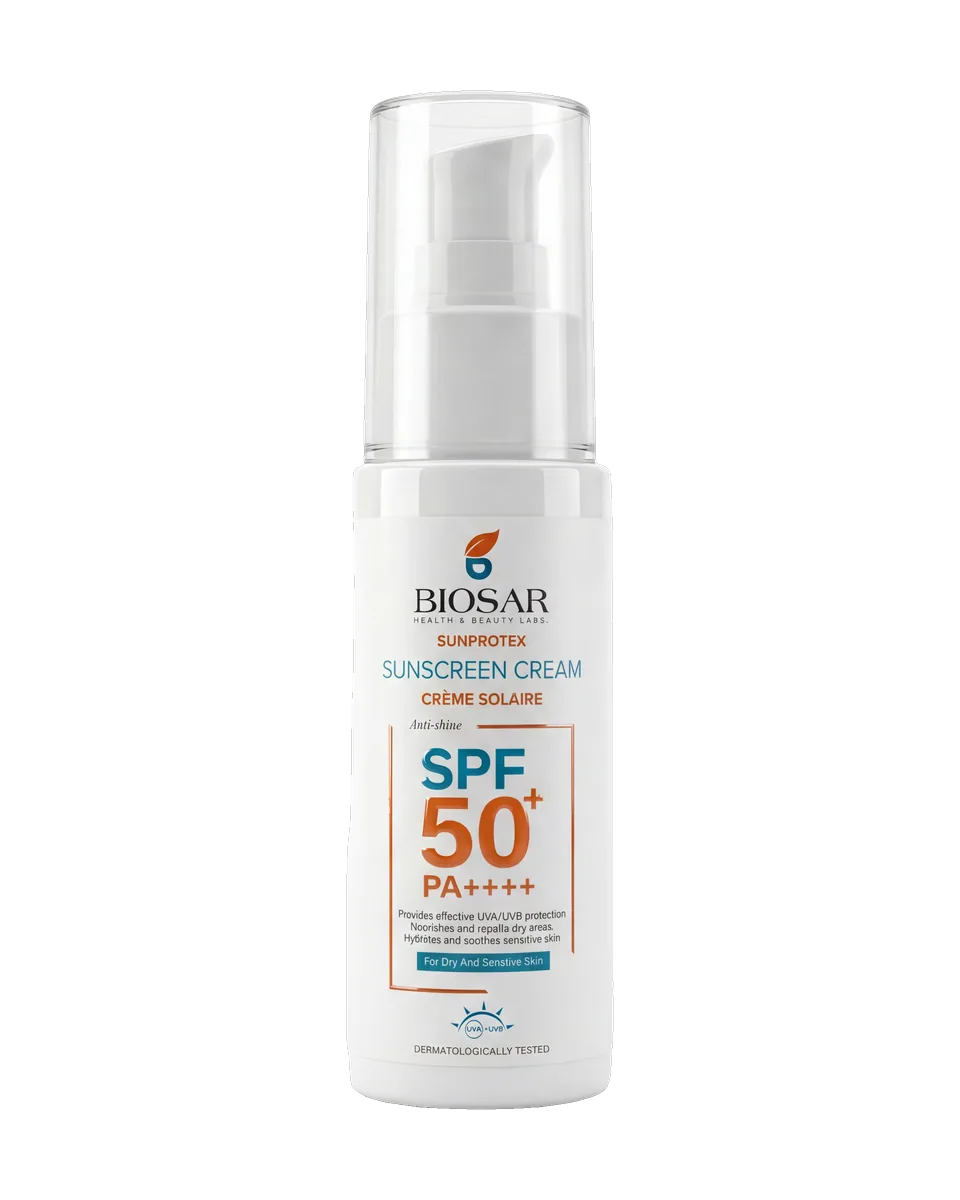
Ultraviolet radiation drives photoaging on two fronts: UVA fragments dermal collagen while UVB damages epidermal DNA and pushes melanin into overdrive. Sunprotex answers both, layering Titanium Dioxide and Zinc Oxide for full UVA and UVB defence with Niacinamide and Vitamin C to neutralise the free radicals that slip through.
Related conditions
The first time you notice it is rarely a wrinkle. It is a quality of light — the way your skin catches it differently in a morning mirror, o…
Read moreAcross Fitzpatrick III–V skin tones — the majority of darker skin tones — the most common consultation is the same: the patch on the cheekbo…
Read moreUVA rays pass through window glass and contribute to photoaging year-round. Daily SPF is recommended whenever there is meaningful daylight exposure, including by office windows and in cars.
SPF30 blocks roughly 97% of UVB rays; SPF50 blocks about 98%. The difference is small per application, but real-world application is almost always lighter than lab testing. Choose SPF50+ to build a margin of safety.
Face alone needs approximately one-quarter teaspoon (two finger-lengths). Add another quarter-teaspoon for neck and ears. Most people apply one-third of the tested amount, which reduces SPF50 to closer to SPF15 in practice.
Yes. Reapplication every two hours of outdoor exposure is the standard guidance. Powder, stick, and spray formats sit over makeup without disturbing it.
Where to look next