Zinc oxide vs titanium dioxide — picking your mineral SPF

INGREDIENT COMPARISON

Zinc oxide vs titanium dioxide — picking your mineral SPF

Zinc oxide and titanium dioxide are the two mineral UV filters approved worldwide. Zinc oxide gives the broadest protection across UVA and UVB and is the gentler choice for reactive skin. Titanium dioxide blocks more UVB efficiently and feels lighter, which suits oilier daytime routines. Most modern mineral SPFs combine both for full-spectrum cover with manageable cosmetic finish.

Last reviewed by BIOSAR Scientific Team, PharmD, Cosmetic Chemistry, Pharmacy practice on .

At-a-glance

How they compare across the routine

Use caseSkin typeZinc OxideTitanium DioxidePairing rules
Broad-spectrum daily protectionAll10% to 25%Daily AM, reapply5% to 25%Daily AM, reapplyBest paired with each other; modern formulas combine 7-15% zinc oxide with 3-10% titanium dioxide for full-spectrum cover.
Sensitive or rosacea-prone skinSensitiveBest tolerated mineral filterDaily AMTolerated; can feel chalkyDaily AMZinc oxide is the first-line mineral choice for reactive skin; pair with niacinamide for tone-evening.
Children and infantsAllRecommended for paediatric useDaily AM, reapplyRecommended for paediatric useDaily AM, reapplyMineral-only SPF is the AAD recommendation for children under 6 months.
Oily skin and visible white-cast concernOily, combinationHeavier feel; modern micronised forms reduce castDaily AMLighter feel; can suit darker skin tones less wellDaily AMTinted mineral SPFs (with iron oxides) reduce visible white-cast on Fitzpatrick III-VI.
Pregnancy and breastfeedingAllConsidered acceptableDaily AMConsidered acceptableDaily AMMineral SPFs are the conservative pick during pregnancy. Both filters remain on the safe list.
Pharmacist's pick

Choose Zinc Oxide when

Choose zinc oxide when sensitivity, rosacea, paediatric use, or melasma drive the SPF decision. It is the only filter approved across UVA-1, UVA-2, and UVB at full clinical concentration. Run it daily AM at 10% to 25%, reapply every 2 hours of sun exposure or after sweating. Pair with niacinamide and ceramides to keep the barrier comfortable; tinted formulations cut the white-cast on deeper skin tones.

Pharmacist's pick

Choose Titanium Dioxide when

Choose titanium dioxide when oily skin, lightweight feel, or matte finish are the priority. It blocks UVB efficiently but offers less UVA-1 cover than zinc oxide; modern formulas pair it with zinc to fix the gap. Run it daily AM, reapply through the day, and pair with iron-oxide tints if visible cast is a concern. Avoid sprays and powders that can be inhaled; cream and lotion forms are the safer route.

Mechanism contrast

Zinc oxide and titanium dioxide both work by reflecting and scattering UV photons before they reach the dermis. They sit on top of the skin rather than absorbing into the deeper layers. This is what makes them the conservative pick for reactive skin, infants, and pregnancy. Zinc oxide covers a broader UVA-1 wavelength range; titanium dioxide is more efficient against UVB.

Evidence summary

Cole C. et al. (Photodermatol Photoimmunol Photomed 2016) reviewed mineral filter performance and confirmed zinc oxide's broader UVA coverage. The American Academy of Dermatology lists both as the recommended choices for sensitive skin and for children under 6 months. The European Cosmetics Regulation permits both at concentrations up to 25%.

BIOSAR products that contain each

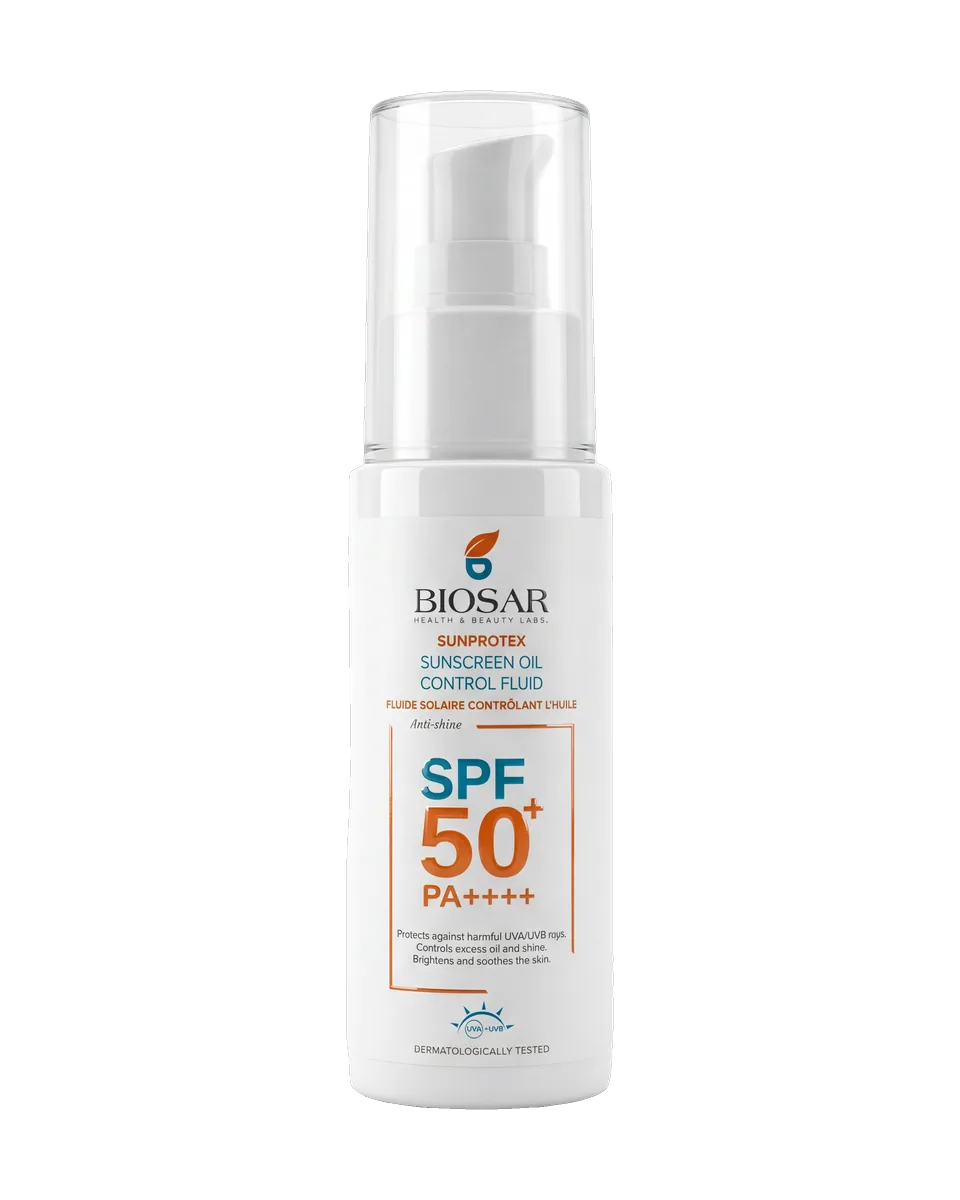
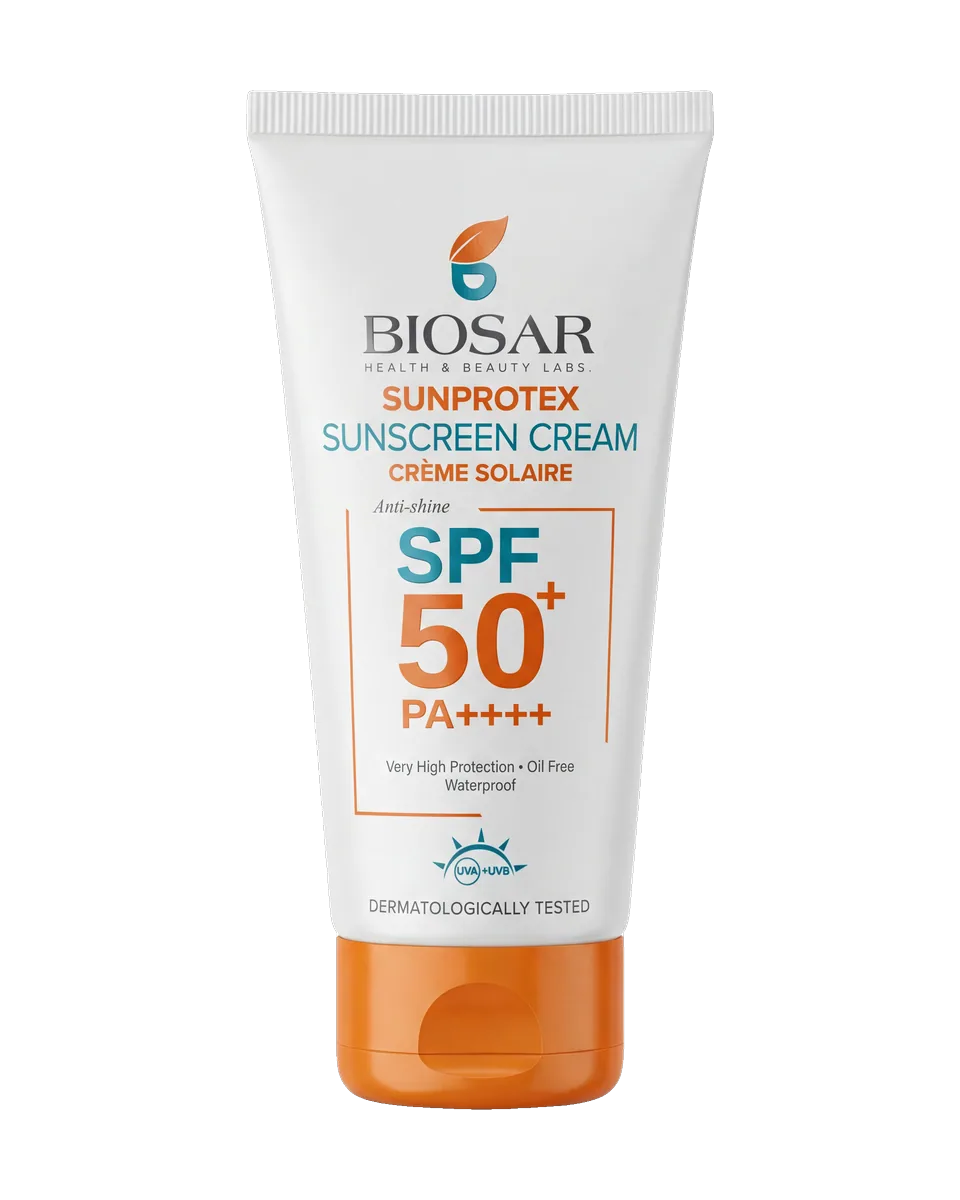
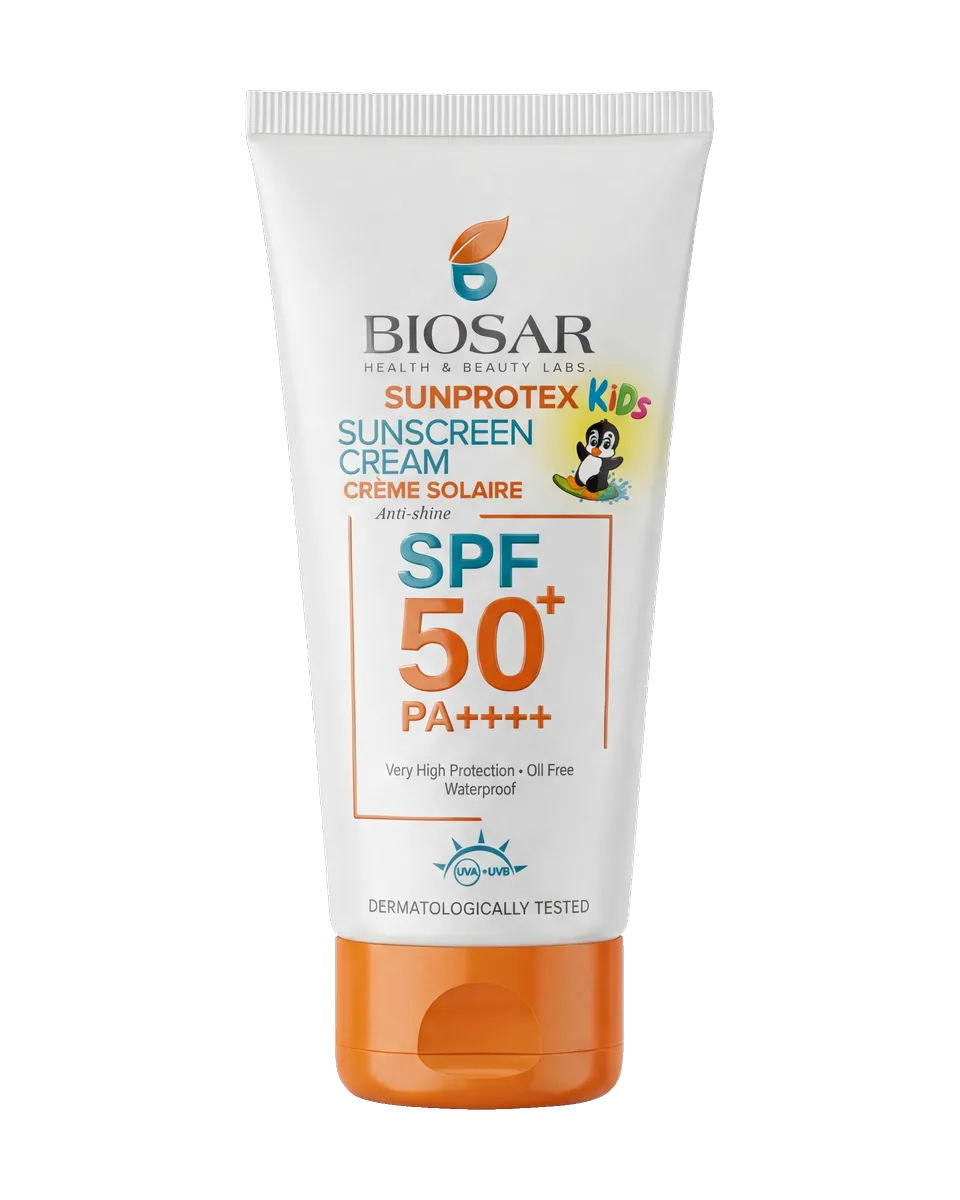
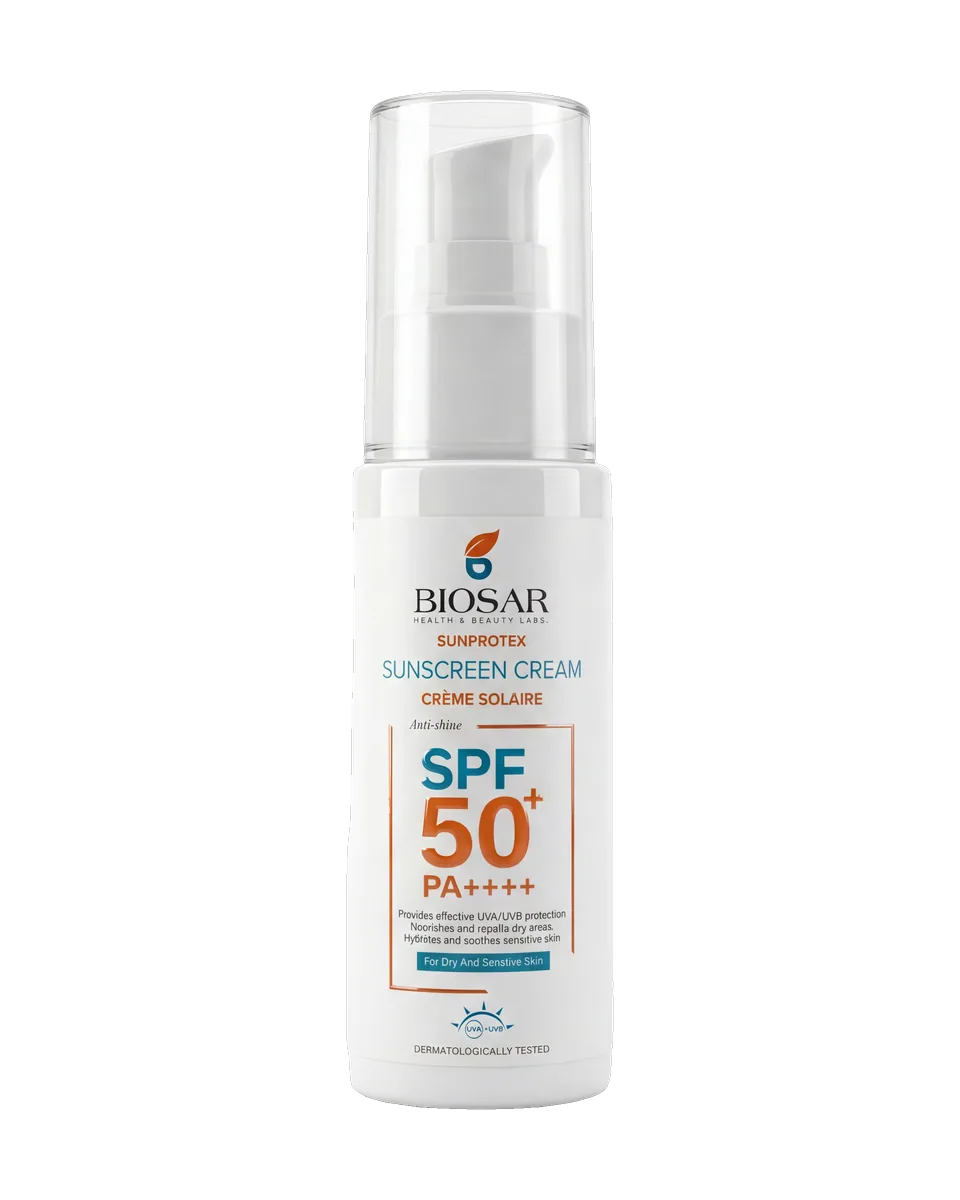
Zinc oxide leads the Sensimed Soothing Light Cream SPF30 and the Sunprotex Cream SPF50, where the gentler profile matches sensitive and reactive surfaces. The Sunprotex Kids Cream SPF50 also relies on zinc as the primary filter.

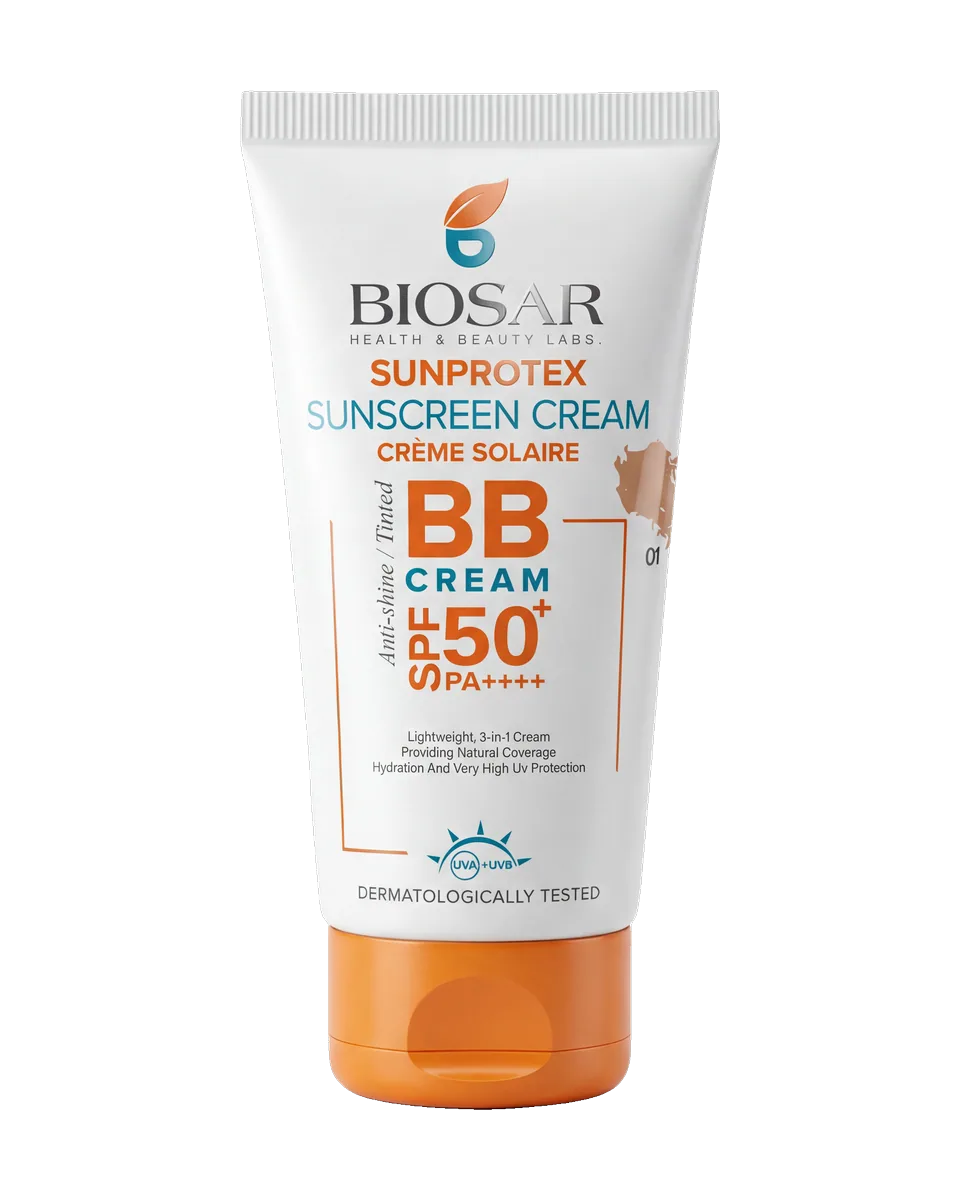
Titanium dioxide pairs with zinc inside the Sunprotex Cream SPF50 and the Sunprotex BB Cream Tinted SPF50. The combination keeps the finish lighter while preserving full-spectrum cover; the BB tint adds iron oxides that block visible-light-driven pigmentation, useful in melasma.

Closing recommendation

Default to zinc oxide when sensitivity or melasma drive the choice. Default to titanium-dioxide-led pairings when feel and finish matter most. Modern mineral SPFs use both filters together. This is the cleanest single recommendation for daily use across the BIOSAR catalog.