Mechanism contrast
Ceramides are sphingolipids that account for nearly 50% of the lipid mass in the stratum corneum. They form the mortar between the brick-like keratinocytes; without enough of them, water leaves and irritants enter. Topical ceramides slot into the same lamellar arrangement, restoring barrier function from outside in.
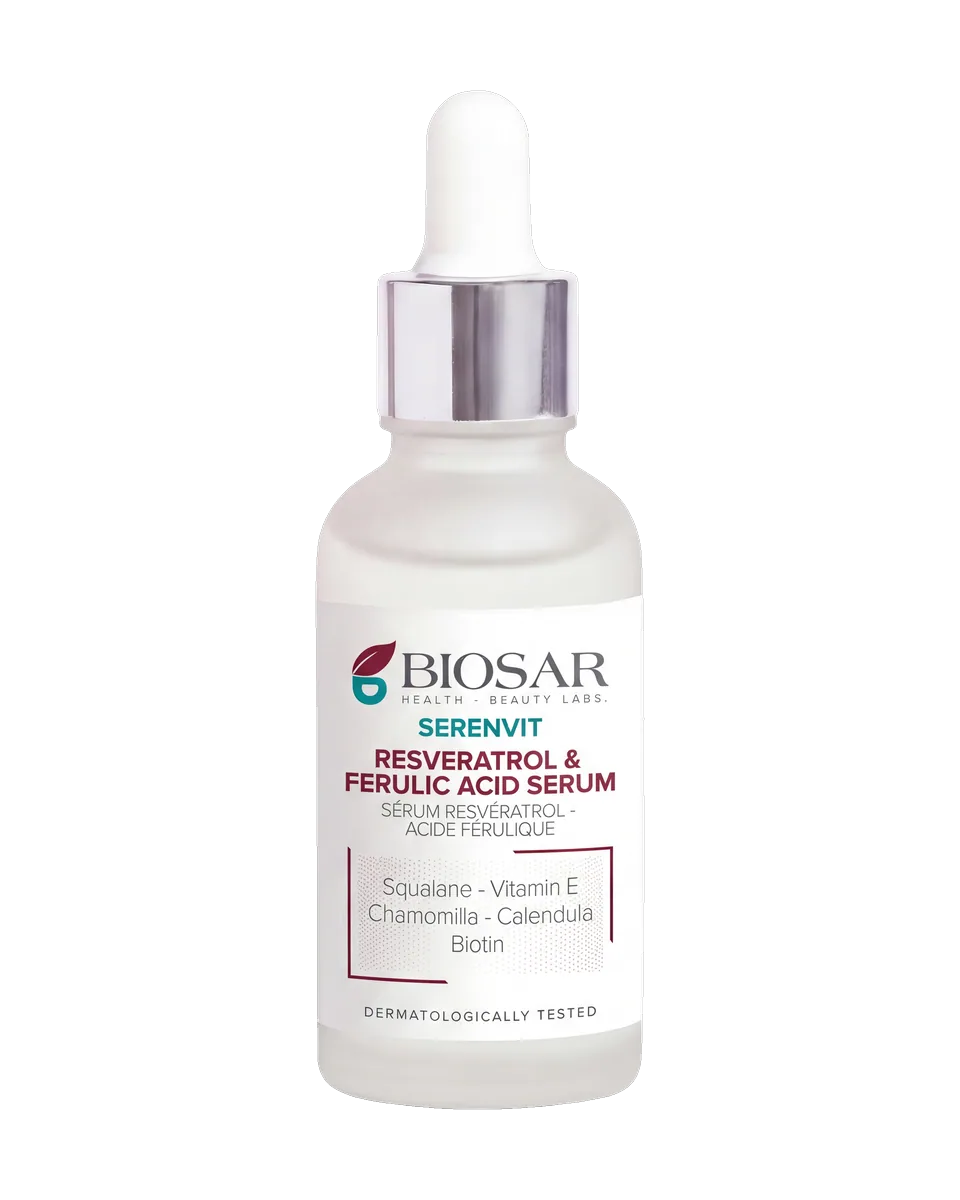
Squalane is the saturated form of squalene, a hydrocarbon naturally produced by the sebaceous glands. Topical squalane sits at the surface, slowing transepidermal water loss without occluding the way petrolatum does. Its molecular weight is small enough to feel weightless under cream or sunscreen.
Evidence summary
Spada F. et al. (Clin Cosmet Investig Dermatol 2018) showed ceramide-containing moisturisers reduce TEWL and improve symptom scores in atopic dermatitis-prone skin within 2 weeks. For squalane, Sethi A. et al. (J Clin Aesthet Dermatol 2016) reviewed the lipid replenishment data and confirmed non-comedogenicity at concentrations up to 100%.
BIOSAR products that contain each
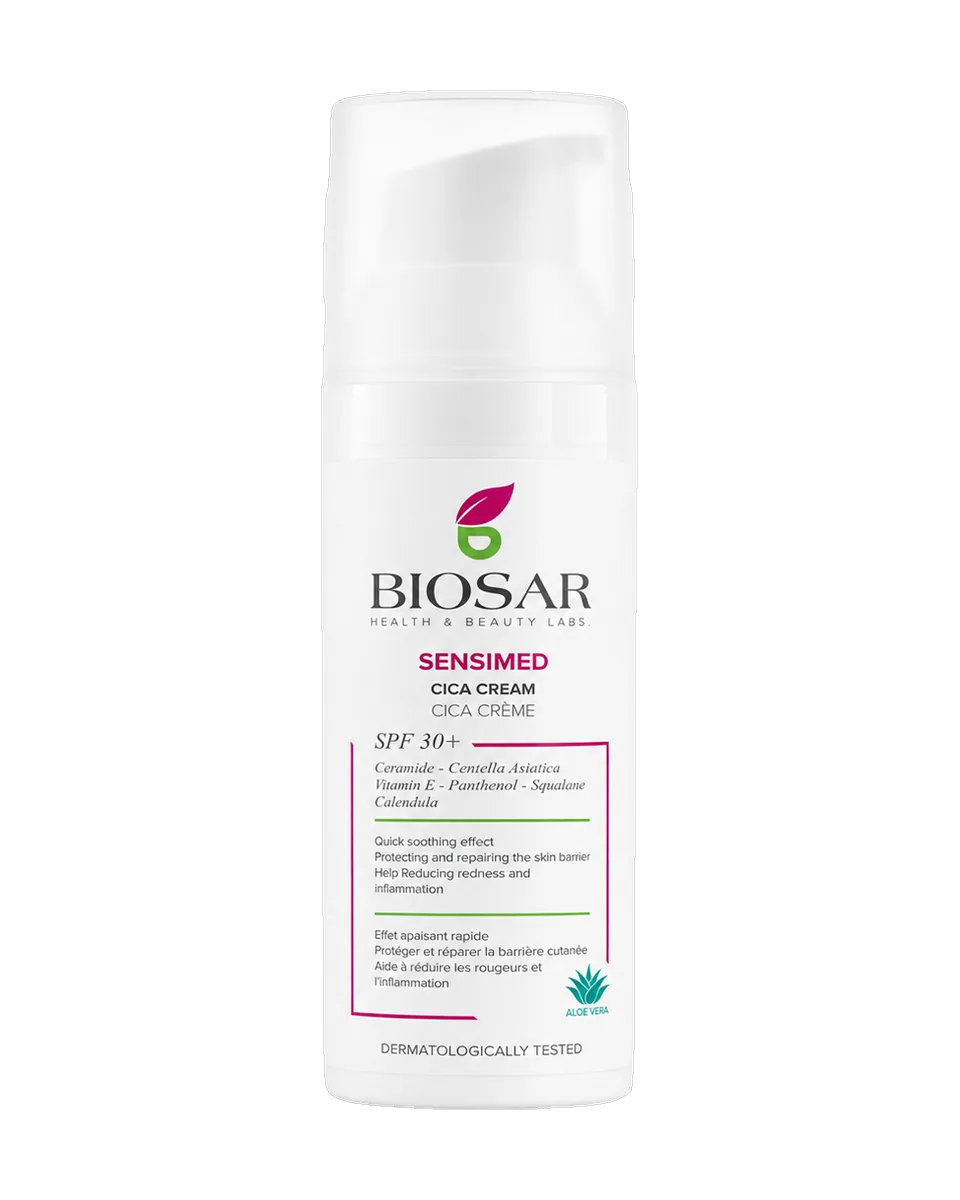
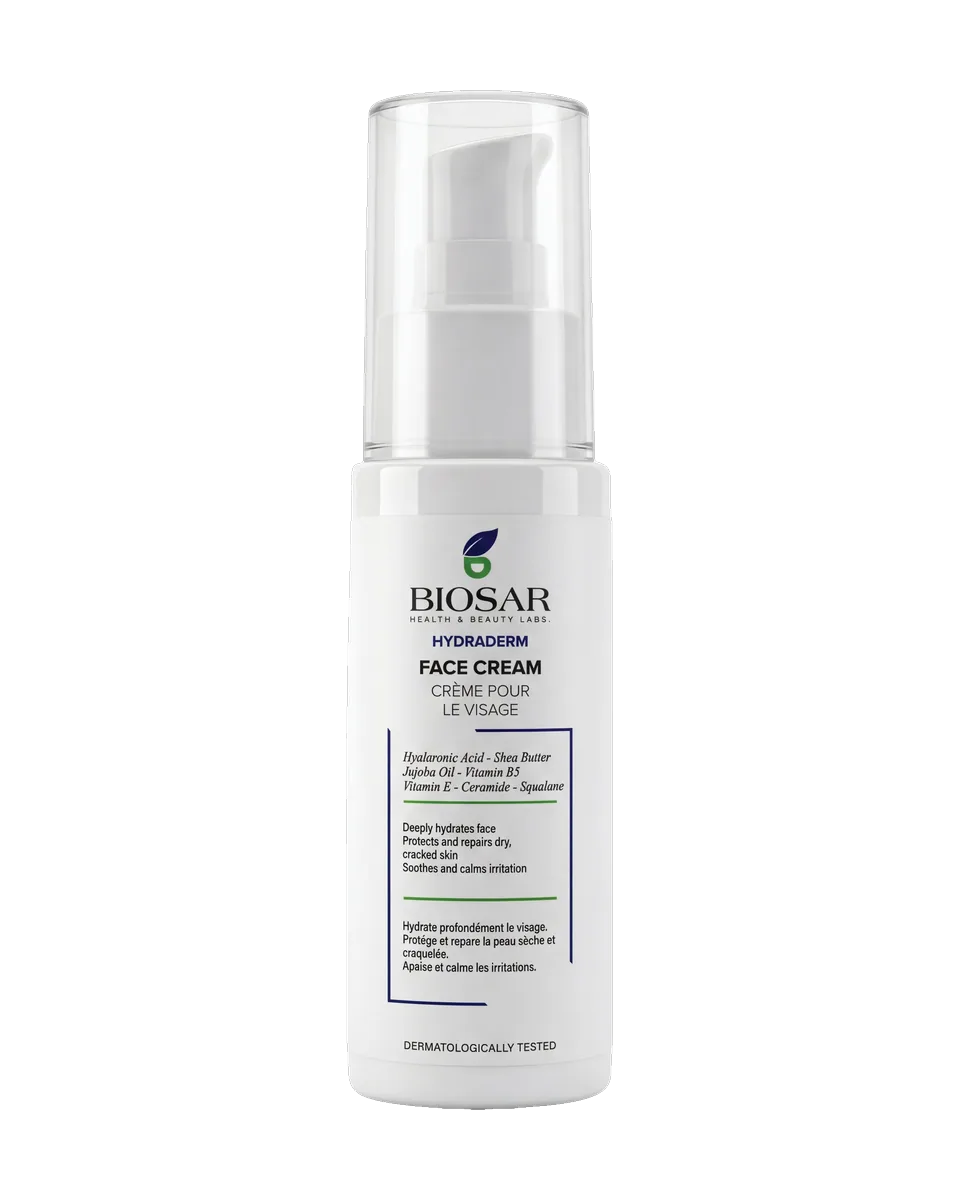
Ceramide leads the Sensimed Cica Cream SPF30, Sensimed Anti-Redness Overnight Mask, and the Hydraderm Face Cream. Each formula combines ceramides with humectants and panthenol to repair the barrier layer by layer.
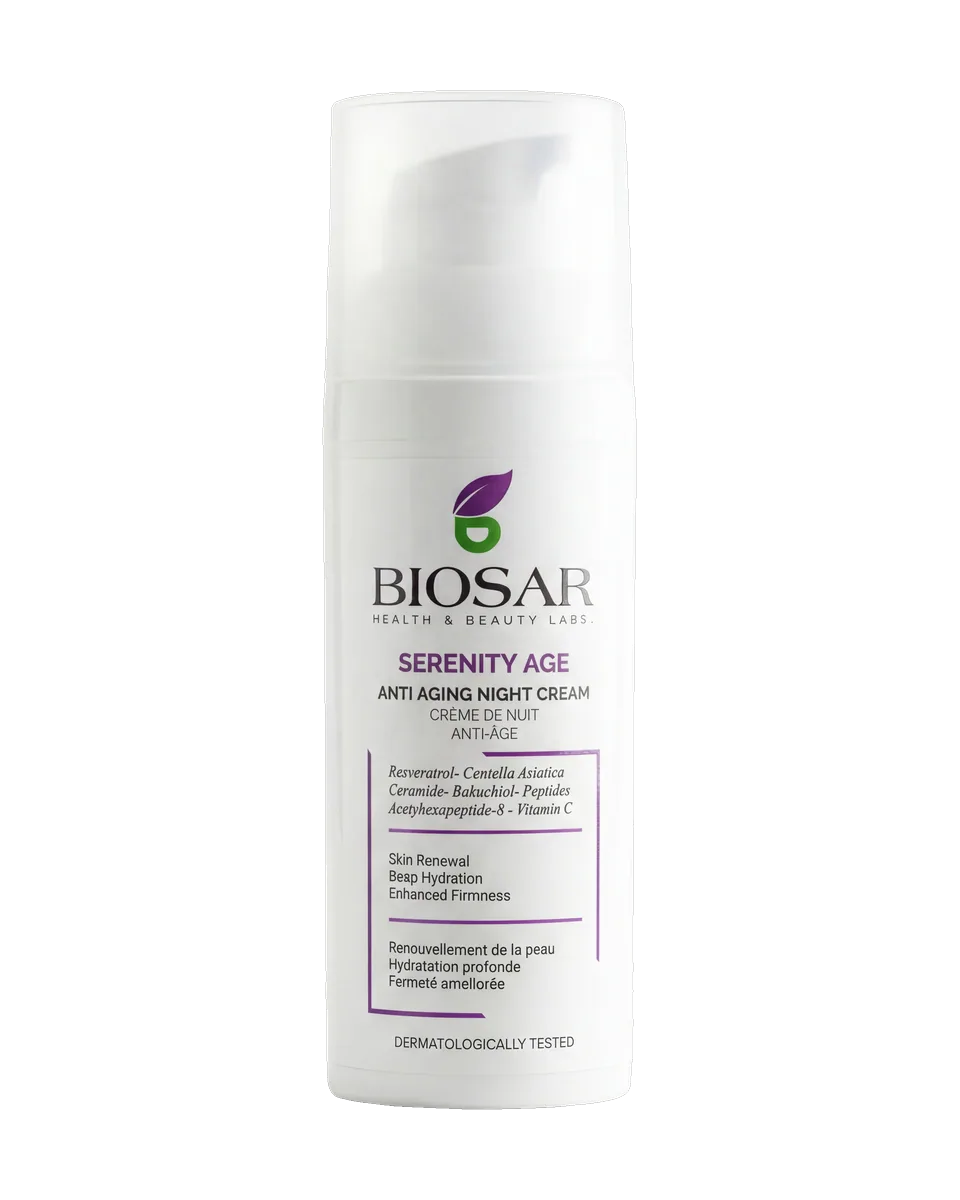
Squalane appears as the closing lipid in the Serenity Age Night Cream, the Sensimed Lip Balm, and the Nutriva Body Nutrition Oil. The pattern is consistent: ceramides do the structural repair, squalane closes the routine.
Closing recommendation
Use ceramides as the structural-repair base for any compromised barrier. Use squalane as the lightweight sealing finish on top. The two are complements. Together they recreate the natural lipid balance of healthy skin without occlusion or heaviness. Pair with niacinamide for the most reliable barrier-rebuild protocol in the catalog.