Concern
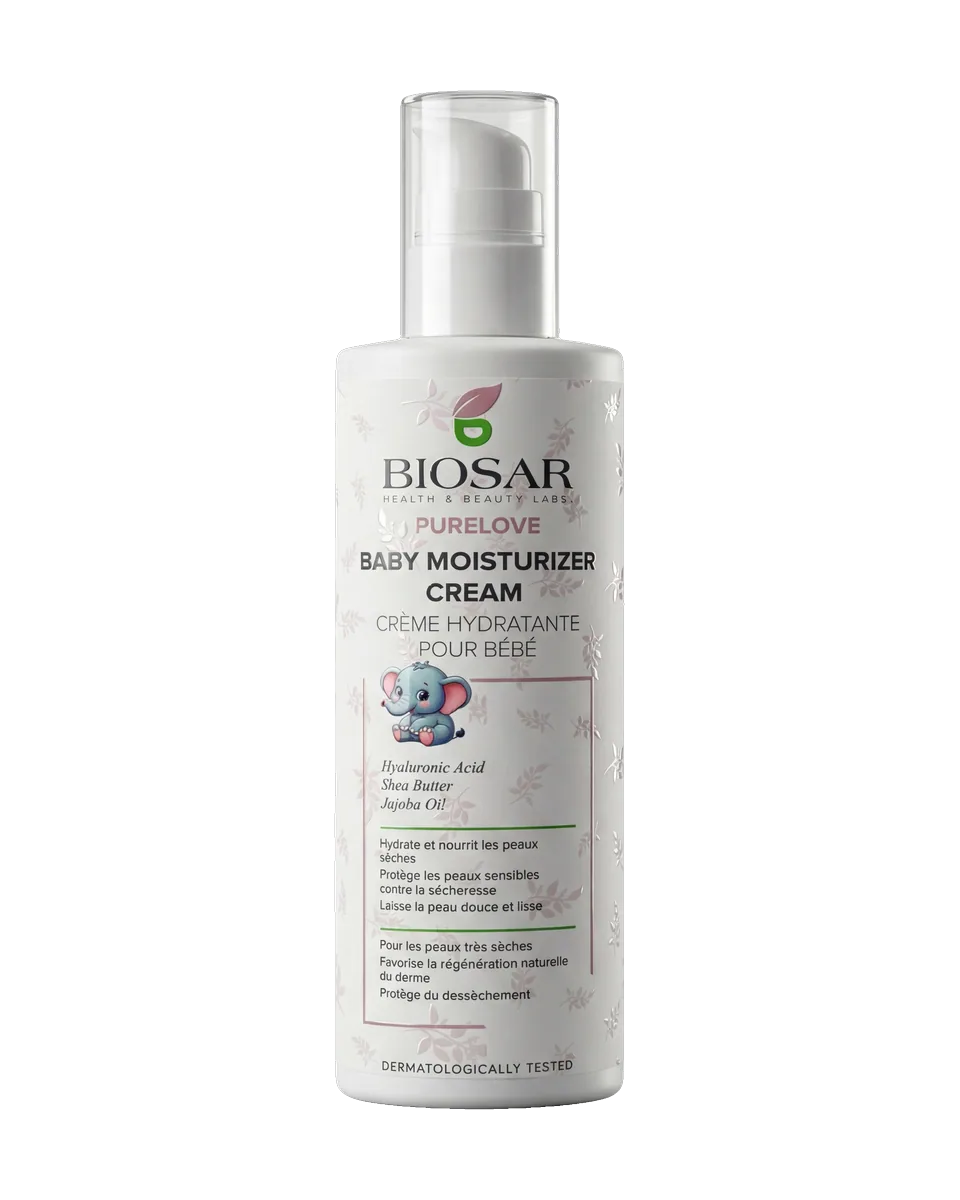
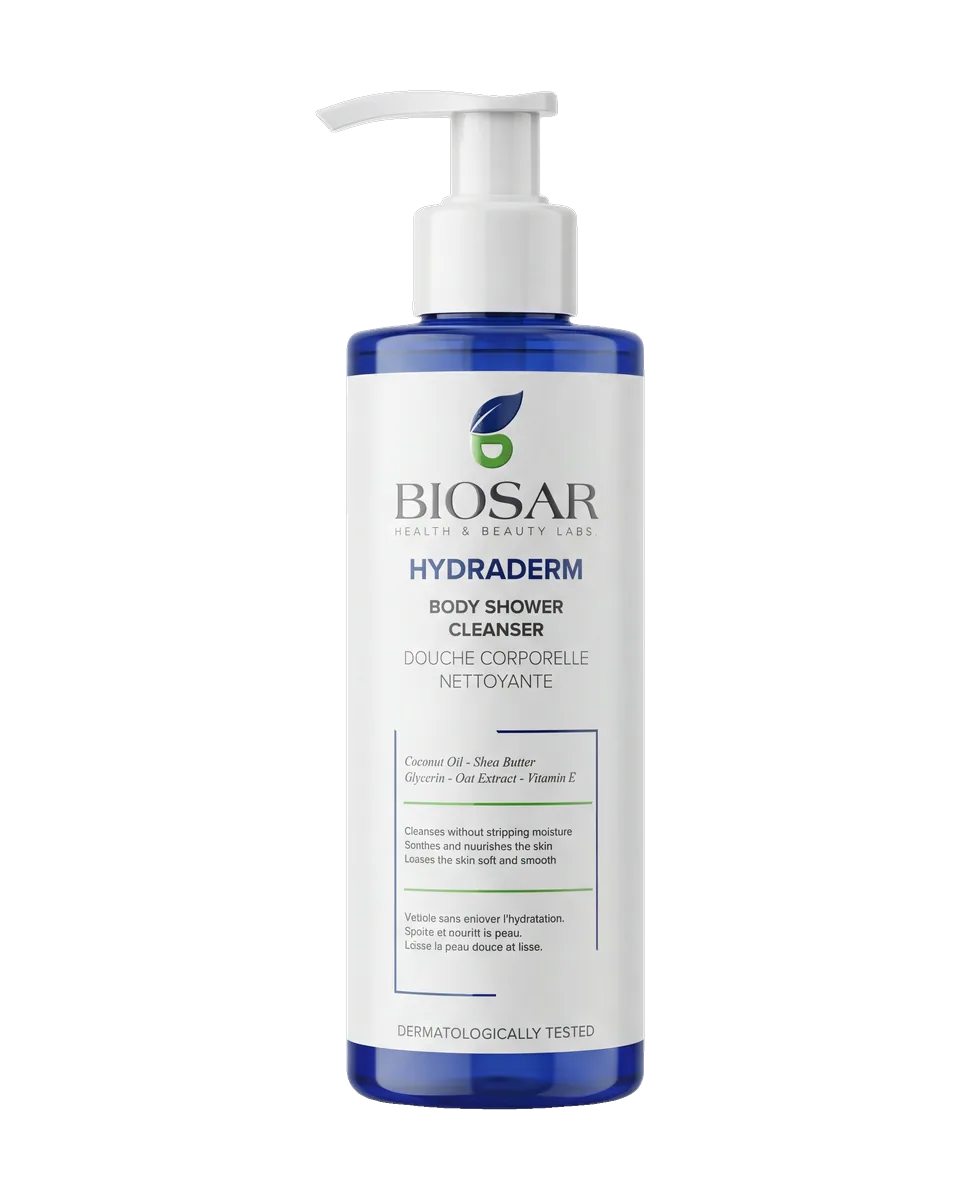
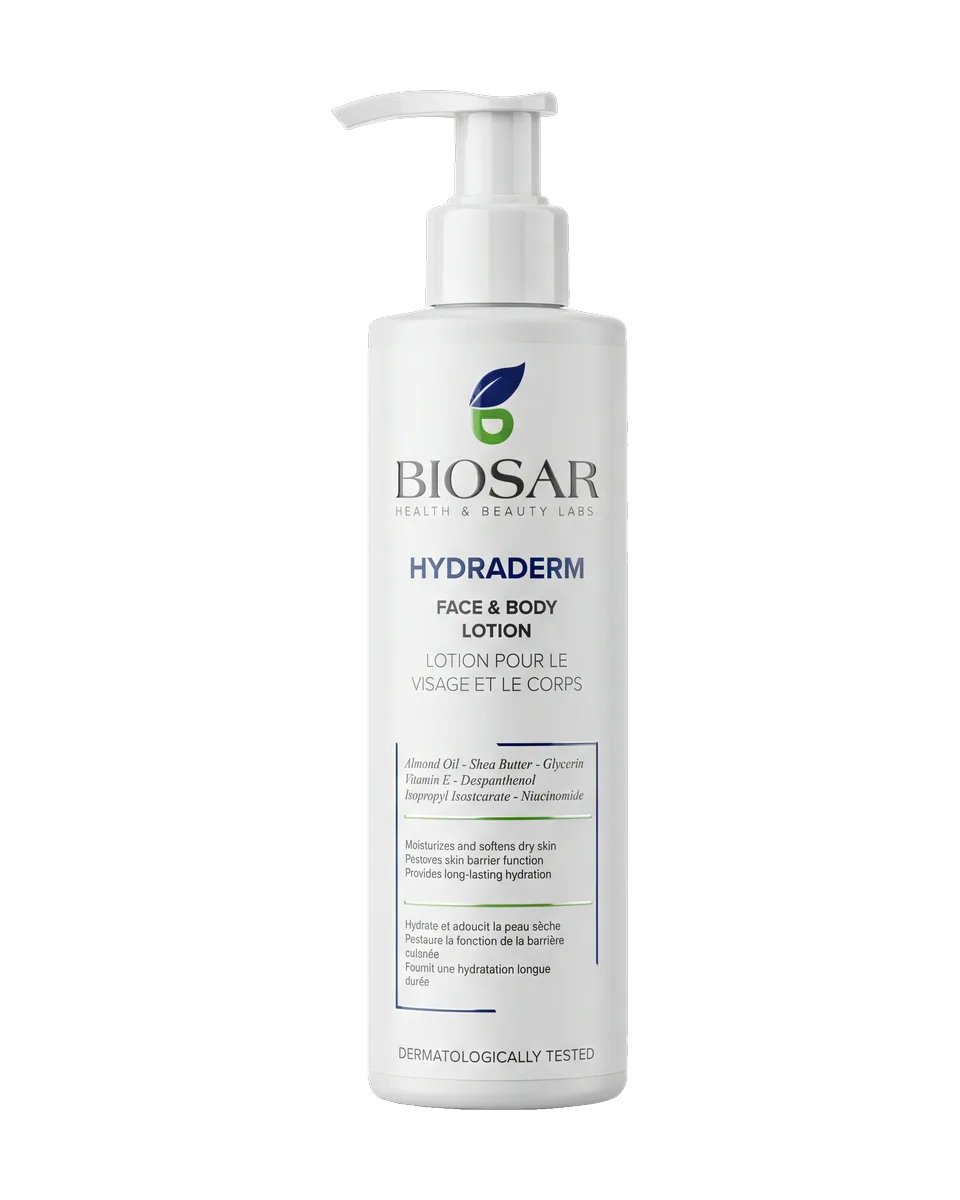
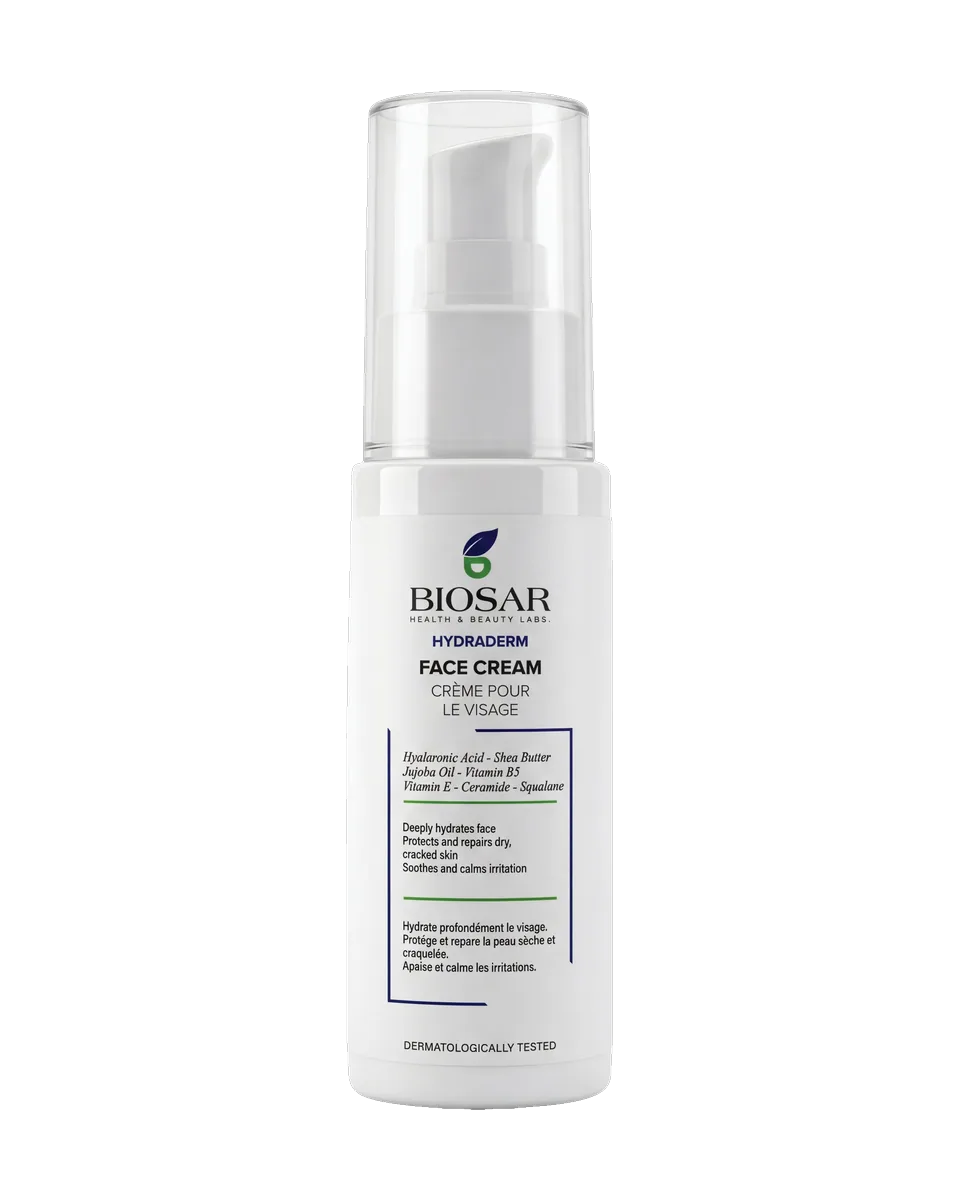
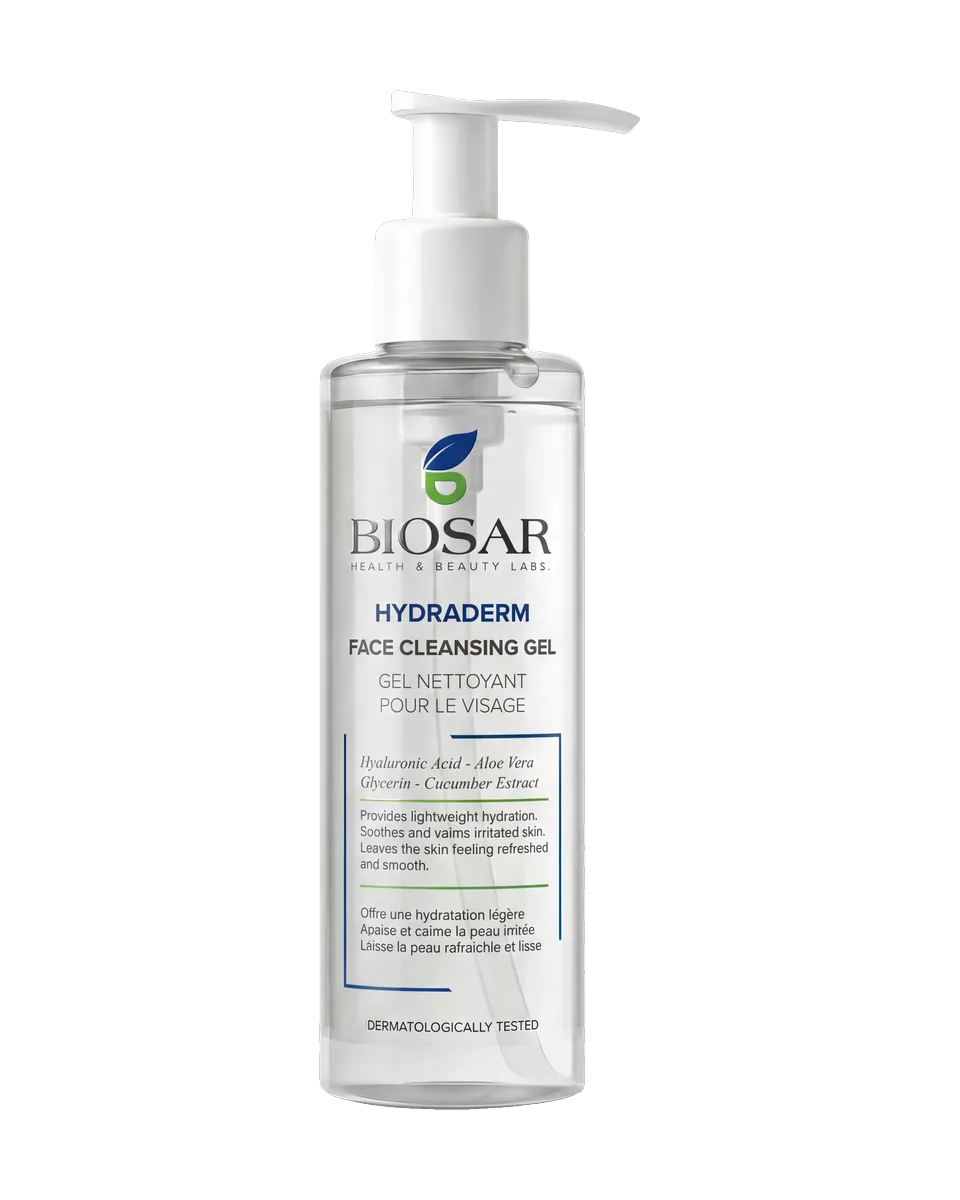
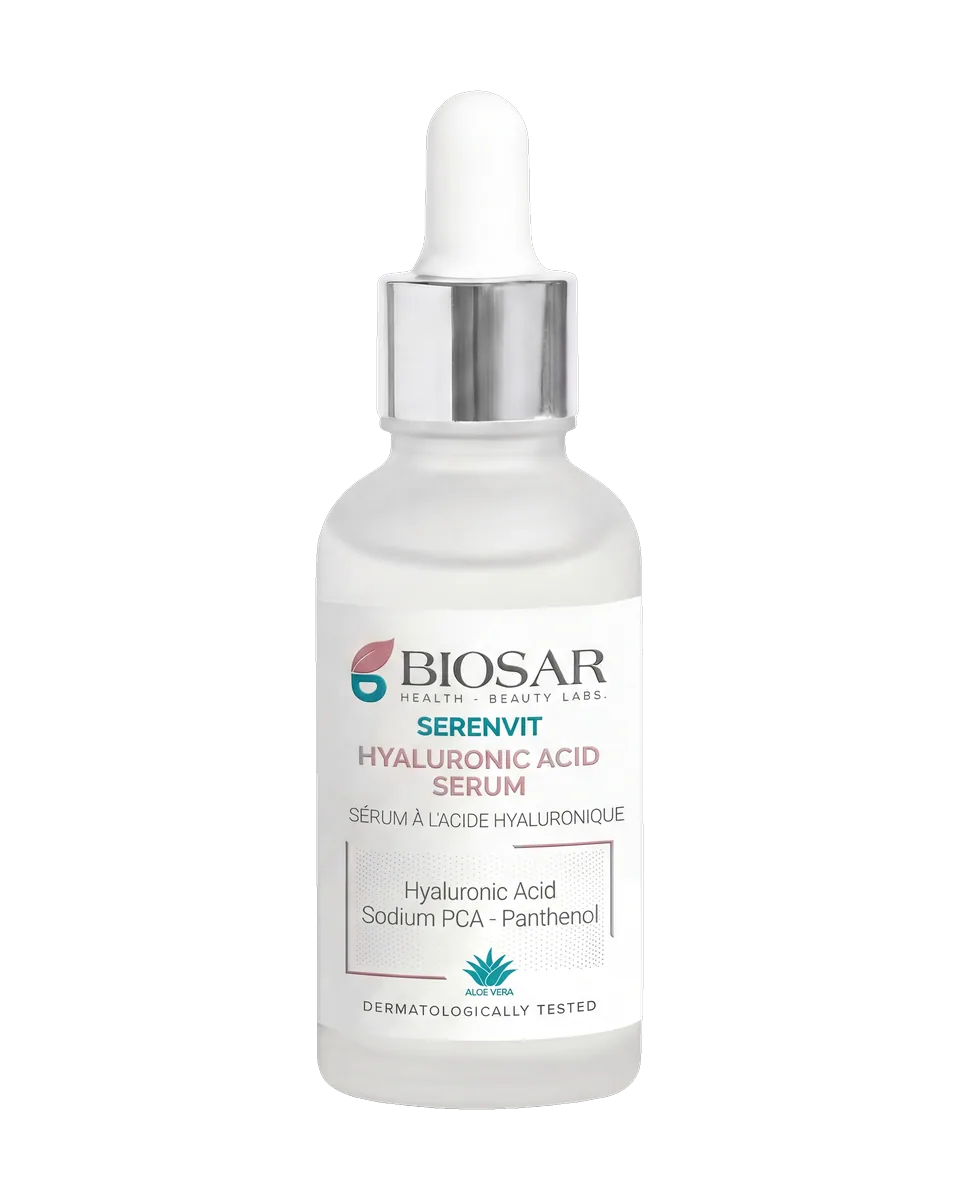
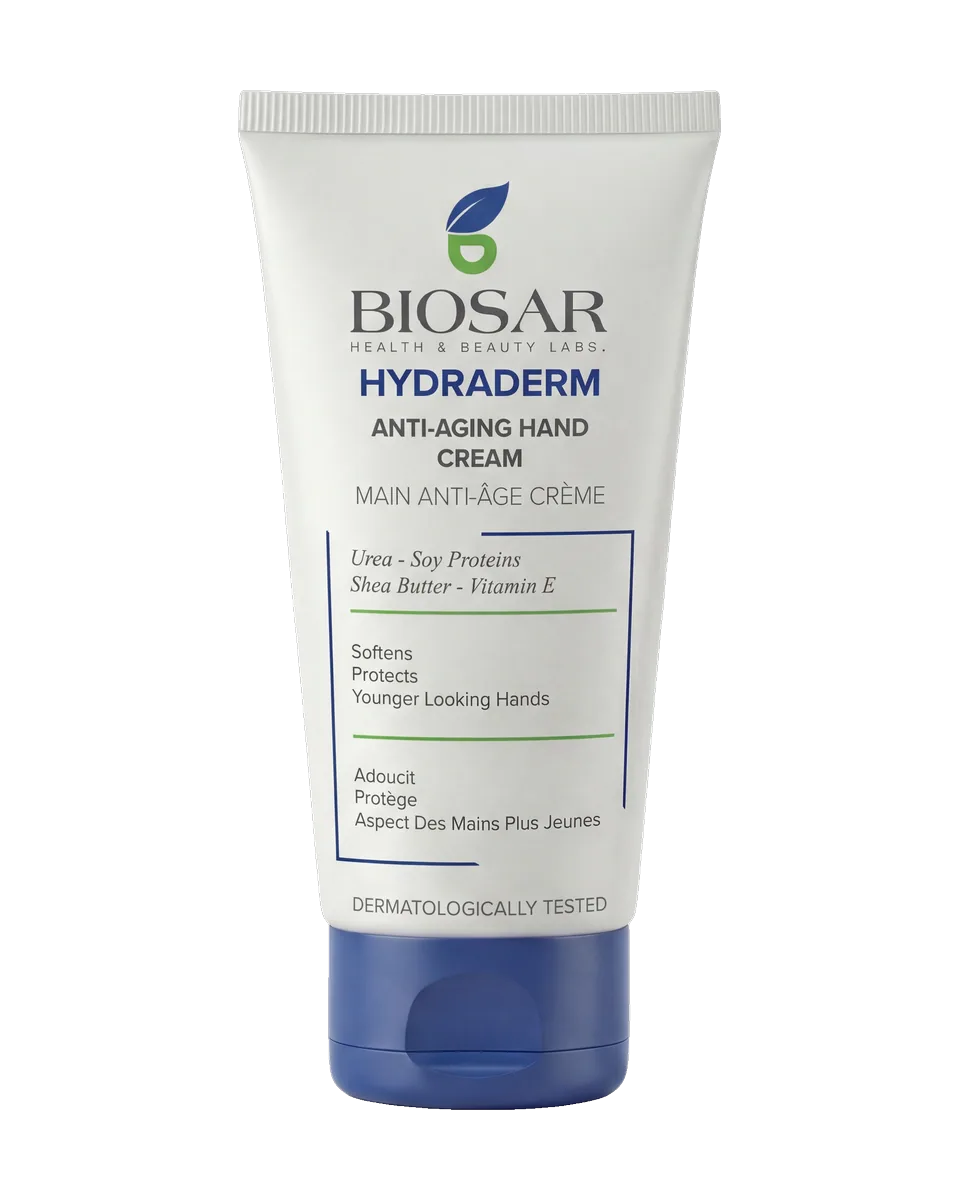
Dryness is a barrier dysfunction in which skin loses water faster than it can retain or replenish it, presenting as flaking, tightness, dullness, and roughness. Mild dryness reflects routine over-cleansing or environmental exposure; chronic dryness signals a deeper deficit in skin lipids — ceramides, cholesterol, fatty acids — and humectant content (the natural moisturising factor). Effective treatment hydrates and replenishes the barrier through three layered actions: humectants that draw water in, occlusives that seal it in, and barrier actives that rebuild the lipid mortar. The BIOSAR Hydraderm range delivers this layered hydration and visibly plumps dehydrated skin.
Last reviewed by BIOSAR Scientific Team, PharmD, Cosmetic Chemistry, Pharmacy practice on .
Epidemiology
Dry skin (xerosis) is among the most common dermatological complaints across age groups and climates. Population studies estimate that roughly 50% of adults in temperate climates experience symptomatic dryness during winter months, and 20–25% of adults in arid regions report year-round xerosis (Source: Hashizume, J Dermatol 2004). Prevalence rises sharply after age 40 — the natural decline in stratum-corneum lipid synthesis, sebum production, and natural moisturising factor concentration drives objective xerosis in approximately 75% of adults over 75. Climatic factors compound the picture: low ambient humidity, central heating, harsh winters, and frequent hand-washing each increase transepidermal water loss. In hot, dry climates, intense sun exposure, low humidity, and pollutant-driven barrier disruption make routine ceramide-rich moisturisation a year-round clinical priority rather than a seasonal one.
Why it happens
Dry indoor heating, arid outdoor climates, and air-conditioned workspaces reduce ambient humidity below the 30% threshold at which transepidermal water loss accelerates sharply. Cold winter air holds less moisture than warm air, and forced-air heating compounds the deficit indoors. Layered humectant plus occlusive routines and indoor humidifiers each measurably reduce winter xerosis.
Sulphate-based cleansers, hot water, and twice-daily aggressive washing strip the lipid barrier and elevate stratum-corneum pH. The damage compounds: each wash reduces ceramide content, and lower ceramide content means each subsequent wash penetrates deeper. The corrective is structural — pH-balanced sulphate-free cleansers, lukewarm water, and once-daily cleansing for most adults.
Sebum production falls roughly 50% between ages 20 and 60, and stratum-corneum lipid synthesis declines in parallel. Natural moisturising factor concentration drops with reduced filaggrin turnover. The combined deficit produces the characteristic xerosis of skin over 60 — fine scaling, tightness, and reduced elasticity that respond to layered humectant plus ceramide replacement therapy.
Mechanism
Skin hydration is the product of three biological systems working in concert. When all three perform well, the surface is supple, smooth, and reflective. When any one of them fails, the visible signs of dryness emerge. Understanding the system that has slipped clarifies which moisturiser ingredients earn space in the routine — and why the same product can transform one person's skin and barely affect another's.
The body holds approximately 60% of its water by mass. The stratum corneum is the gatekeeper that decides how much of that water diffuses out into the air. Healthy skin maintains TEWL at roughly 5–10 grams per square metre per hour. Dry, compromised skin commonly measures 15–30 g/m²/h, sometimes higher. The water that exits is not replaced as fast as it leaves, and the stratum corneum dehydrates below the 10% water content threshold required for normal enzymatic desquamation.
When stratum-corneum hydration drops below this threshold, corneocytes fail to detach individually and instead shed in visible clumps — the flaking, scaling, and roughness that define clinical dryness. The intervention is structural: occlusive ingredients reduce TEWL by 30–50% within hours of application. Petrolatum remains the most studied occlusive (cuts TEWL by ~99% over twelve hours); dimethicone, squalane, and shea butter offer lighter alternatives. Layering occlusive over humectant is the biophysical reason a moisturiser applied to damp skin outperforms the same product applied to dry skin.
The mortar between corneocytes is a precisely structured lipid mix: 50% ceramides, 25% cholesterol, and 15% free fatty acids by mass. This ratio is not arbitrary — it forms a lamellar bilayer that water cannot easily traverse. When any component drops, the bilayer reorganises into a less ordered structure, and the barrier loses its water-retention capacity. Ceramide synthesis falls with age, with frequent exposure to surfactants, and in inflammatory dermatoses such as eczema and atopic dermatitis.
Topical replacement is the targeted intervention. Ceramide NP, ceramide AP, and ceramide EOP — the three most abundant endogenous forms — incorporate into the lipid bilayer when applied at physiological concentrations. The ratio matters: published studies show that 3:1:1 cholesterol-to-ceramide-to-fatty-acid mixtures restore barrier function in two to four weeks, whereas individual ceramide application alone is significantly slower. BIOSAR formulations follow this stoichiometry, supplemented with squalane and phytosterols to mimic the full sebaceous lipid profile that aging skin no longer produces in sufficient quantity.
Inside each corneocyte sits a pool of small, water-binding molecules collectively called the natural moisturising factor: free amino acids, pyrrolidone carboxylic acid (PCA), urea, lactate, and various salts. NMF accounts for roughly 20–30% of corneocyte dry weight in healthy skin and is the molecular reason skin holds water osmotically against a drying environment. NMF is generated by enzymatic breakdown of filaggrin during keratinocyte differentiation, and its concentration falls when differentiation is disturbed by inflammation, age, or genetic filaggrin loss-of-function variants (common in atopic dermatitis populations).
Topical humectants supplement the depleted NMF pool. Glycerin at 5–20% concentration draws water from the dermis and atmosphere into the stratum corneum and is the single most studied humectant in dermatology. Hyaluronic acid binds up to 1,000 times its weight in water; low-molecular-weight fragments penetrate the upper stratum corneum while high-molecular-weight forms remain on the surface as a hydrating film. Sodium PCA, urea (at 5–10%), and panthenol each contribute. The clinical pattern is reliable: humectant-only routines in low-humidity environments can paradoxically worsen dryness — the humectant pulls water from the dermis upward when there is no atmospheric moisture to draw from. This is why an occlusive layer applied over a humectant in dry climates is non-negotiable, and why the BIOSAR Hydraderm sequence layers humectant essence under ceramide cream rather than relying on either alone.
Pharmacist's note
If patients adjust only one habit, we ask them to apply moisturiser to slightly damp skin within three minutes of bathing — never to fully dry skin. The water already on the surface is the water you are trying to seal in. This single change measurably lowers transepidermal water loss and outperforms switching to a more expensive moisturiser applied at the wrong moment.
From the BIOSAR ranges
The science
Dryness is a barrier deficit: skin loses water faster than its lipids and humectants can hold it. Hydraderm answers on three fronts together — Hyaluronic Acid pulls water in, Ceramides rebuild the barrier, and Shea Butter with Squalane seal it, delivering hydration that lasts.
Related conditions
Tightness usually signals barrier impairment — either insufficient lipid content or over-cleansing. Switch to a gentler cleanser and add a lipid-rich moisturizer containing Ceramides or Squalane. Improvement typically appears within one week.
Water intake matters for general health but does not directly hydrate the skin surface. Topical humectants, occlusives, and emollients are what keep water where the skin needs it.
Where to look next
Atopic dermatitis (eczema), psoriasis, ichthyosis, and contact dermatitis each present with significant barrier dysfunction and chronic dryness. Filaggrin loss-of-function mutations affect roughly 10% of European populations and predispose carriers to lifelong xerosis even without overt eczema. Ceramide-rich emollients and prescription anti-inflammatories share management of these phenotypes.
Isotretinoin produces near-universal xerosis and cheilitis at prescribed doses through reduced sebaceous output. Diuretics, oral retinoids, certain chemotherapy agents, and some psychiatric medications similarly impact skin hydration. Adjunctive ceramide-rich moisturiser and lip balm reduce discomfort and improve adherence to the underlying regimen.
Water above 40°C strips lipids from the stratum corneum within minutes, and prolonged immersion actually dehydrates skin by leaching water-soluble NMF components. The clinical guidance is counterintuitive but well-evidenced: shorter, cooler showers preserve barrier function; moisturiser applied to slightly damp skin within three minutes of bathing locks in the hydration that remains.
Dry skin tolerates less exfoliation than oily skin. Once or twice a week with a gentle acid (Lactic Acid or PHA) is sufficient. Over-exfoliation worsens dryness.
Dry skin lacks oil (a skin type). Dehydrated skin lacks water (a temporary state). Both need hydration, but dryness also requires lipid replenishment — Ceramides, fatty acids, and plant butters.