Radiance is the visible outcome of three independent skin functions working in concert: smooth stratum corneum that reflects light evenly, well-perfused microcirculation that delivers a subtle pink undertone, and antioxidant defences that prevent the dull yellow-grey cast of oxidised lipids and proteins. When any one of these falters, dullness appears. Restoring radiance is therefore a multi-front project, not a single-active fix.
Stratum corneum cell turnover
The stratum corneum (the outermost 10 to 30 micrometres of skin) is built from flattened, lipid-glued corneocytes that desquamate continuously. In healthy young adult skin, the full renewal cycle takes approximately 28 days: a basal keratinocyte differentiates upward, loses its nucleus, hardens into a corneocyte, and finally sheds at the surface. This continuous turnover is what gives young skin its characteristic light-scattering smoothness: fresh corneocytes are flat, intact, and uniform.
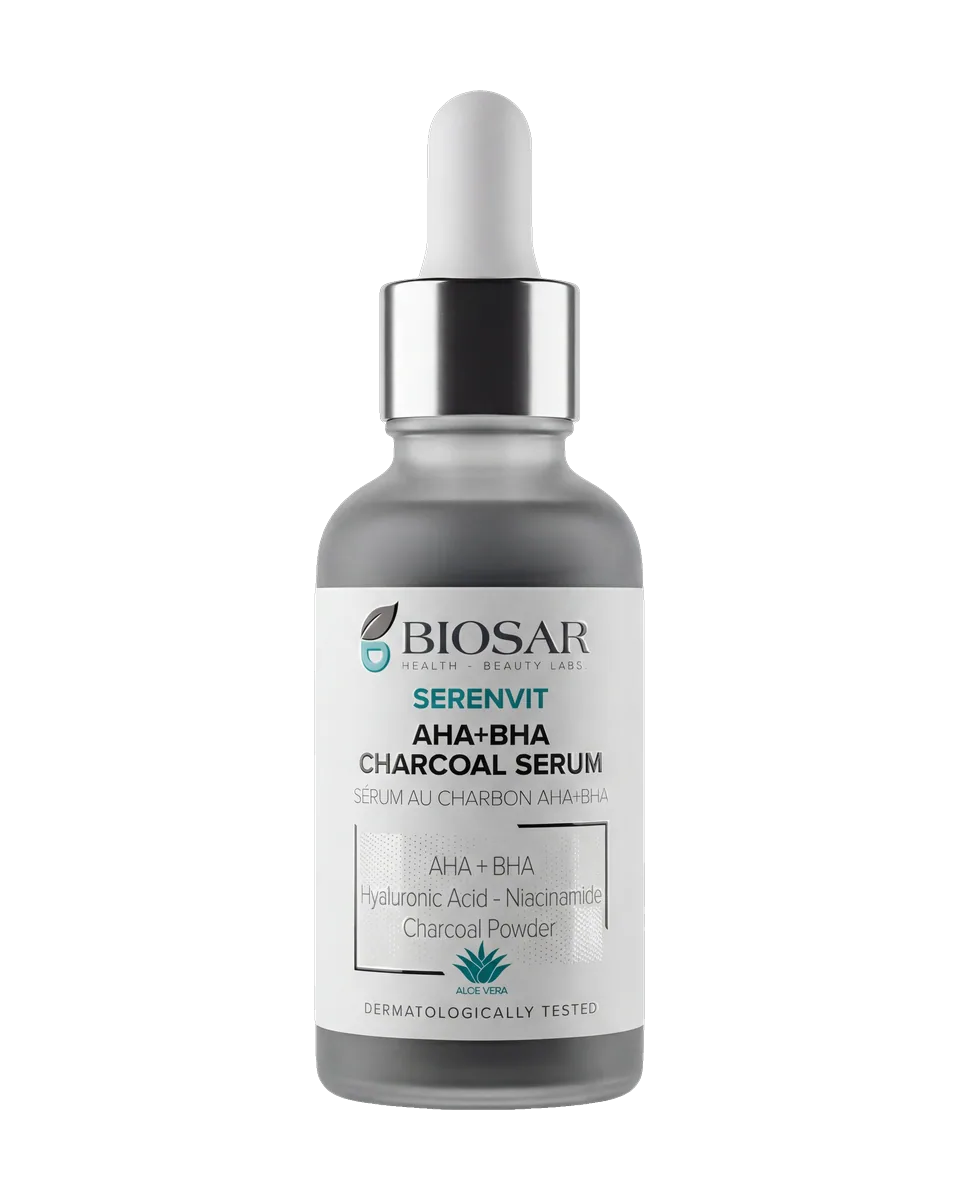
From the late twenties onward, turnover slows progressively. By age 50, the same renewal cycle takes 45 to 60 days. Older corneocytes accumulate on the surface, become uneven and curled at the edges, and scatter incoming light irregularly. The visible result is exactly what consumers describe as dullness: a flat, grey, fatigued appearance that no amount of moisturiser fixes because the problem is structural, not hydrating. Alpha-hydroxy acids (glycolic, lactic, mandelic) and beta-hydroxy acid (salicylic) act on this layer by loosening corneocyte adhesion at the desmosome level. Used at tolerated, twice-weekly cadence, they restore an effective turnover cycle without barrier compromise. Polyhydroxy acids (gluconolactone, lactobionic acid) deliver the same effect with a gentler tolerance profile suited to sensitive or thin skin.
Microcirculation and oxygenation
A second, often underappreciated component of radiance is the dermal microcirculation. The papillary dermis just below the epidermis carries a dense network of capillaries that supplies oxygen and nutrients and gives healthy skin its faint pink undertone. When microcirculation is impaired (by smoking, sleep loss, dehydration, sustained stress, or sedentary lifestyle), perfusion drops, the subcutaneous tone fades, and the face takes on a grey, washed-out cast that no surface intervention fully corrects.
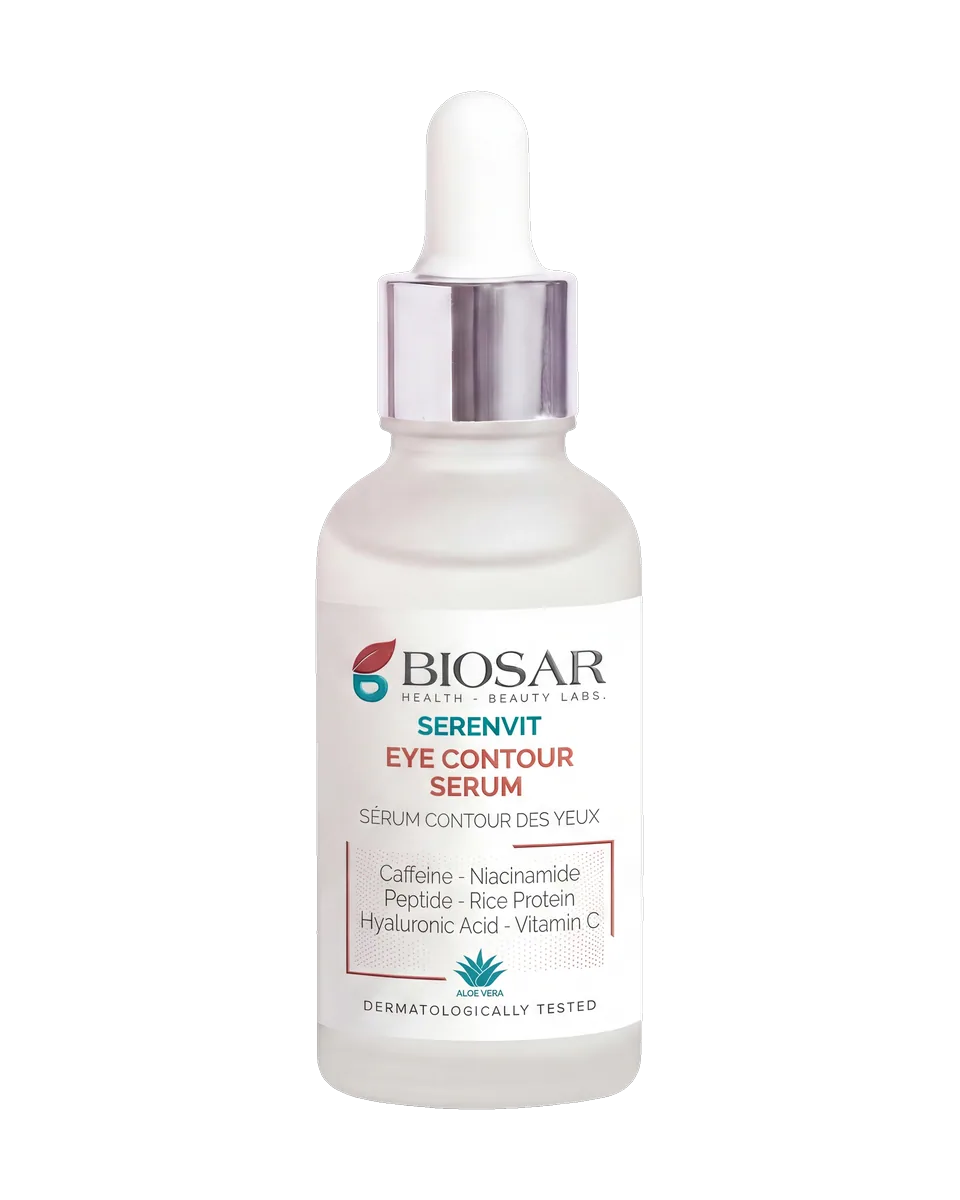
This is why poor sleep, stress, and smoking show on skin within days. Two consecutive nights of curtailed sleep produce measurable changes in capillary perfusion and corneal hydration that observers reliably rate as fatigued or unattractive. Topical caffeine, ginkgo biloba extracts, and peptide complexes act on this layer by improving local perfusion and reducing peri-vascular puffiness, particularly visible in the under-eye zone and across the cheeks. Massage during product application is a meaningful adjunct: gentle facial manipulation transiently increases lymph flow and capillary perfusion, with measurable reduction in the puffiness and dullness that accumulate overnight.
Oxidative stress and the antioxidant response
The third component is biochemical. Skin is exposed continuously to reactive oxygen species (ROS) generated by UV exposure, visible light, pollution particulates, and ordinary cellular metabolism. ROS oxidise the lipids of the surface film, the keratin proteins of the corneocytes, and the carotenoids in the dermis. Oxidised molecules absorb light differently: they shift the visible reflectance toward yellow-grey and dull the natural luminosity of healthy skin. Sustained oxidative load also degrades collagen and elastin in parallel, so dullness and visible aging share a chemical pathway.
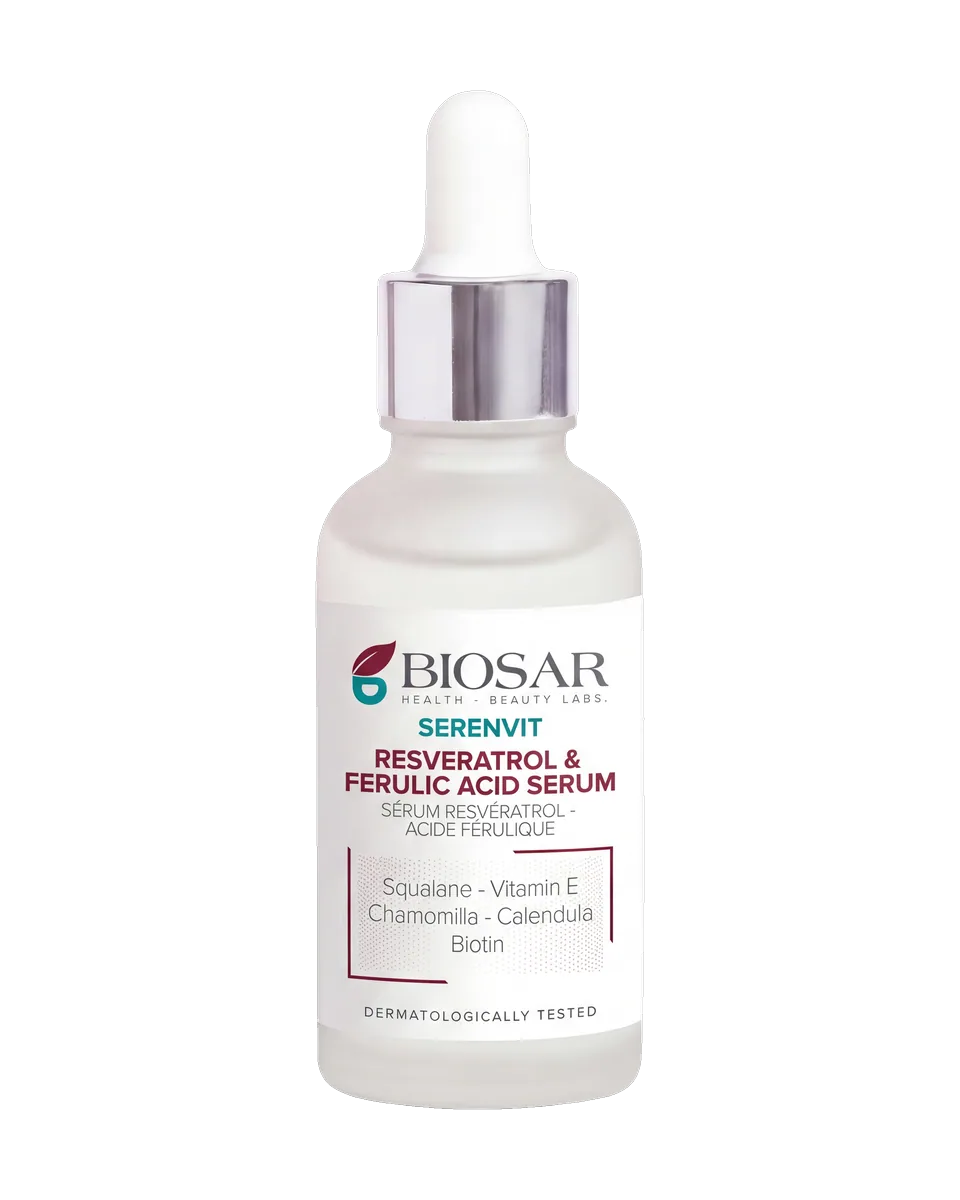
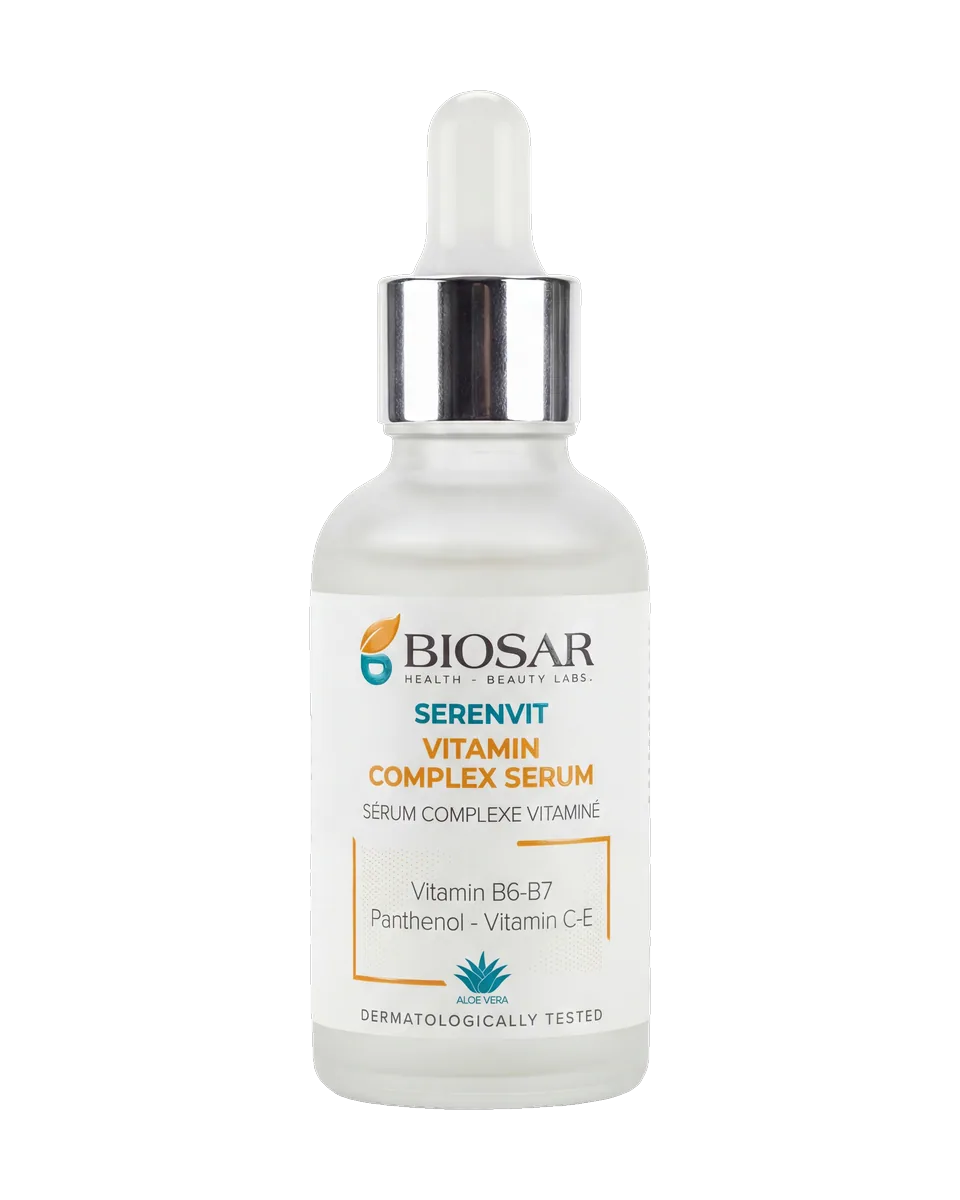
The antioxidant network defends against this damage. Vitamin C (L-ascorbic acid at 10–20%, or stable derivatives such as ascorbyl glucoside) neutralises free radicals, regenerates oxidised vitamin E, and downregulates tyrosinase to reduce melanin contribution to dullness. Vitamin E and ferulic acid extend vitamin C's stability and broaden its protective spectrum. Niacinamide at 4–5% reduces NAD+ depletion and has direct evidence for improving skin tone evenness, with controlled studies showing visible brightness gains within four weeks (Source: Bissett et al., Dermatol Surg 2005). Glutathione precursors and resveratrol act on the same network from a different angle. The clinical principle is that antioxidants work best in layered combinations rather than as single molecules: the network is what matters. And no antioxidant routine compensates for missing SPF: oxidative load from UV exposure exceeds what topical antioxidants can neutralise, which is why broad-spectrum SPF every morning remains the single highest-yield investment for radiance.