Active ingredient
Vitamin C
INCI · Ascorbic Acid
Vitamin C, in skincare most often L-ascorbic acid, is a water-soluble antioxidant used to brighten tone, neutralise reactive oxygen species, and support collagen synthesis. It donates electrons to free radicals, regenerates oxidised vitamin E, and serves as a cofactor for prolyl hydroxylase in collagen formation. pH stability matters: store in opaque, sealed packaging.
Pregnancy and breastfeeding
No specific caution is known for cosmetic use during pregnancy or breastfeeding. If you are unsure, ask your doctor or pharmacist.
Vitamin C is an endogenous nutrient and topical use is well-tolerated. Mother to Baby and Trivedi et al. (2017) flag no concern during pregnancy or lactation.
Mechanism in detail
What Vitamin C does
Antioxidant that helps neutralize free radicals and supports a more radiant complexion. Contributes to the appearance of even tone over time.
Evidence
What the research says
- 6 monthsPhotoaged skin improved against the placebo side
A 6-month double-blind study in women with sun-aged skin on the low neck and arms: the side treated daily with a vitamin C cream improved on the overall photoaging score, with denser skin relief and shallower furrows than the placebo side.
Read the studyExp Dermatol 2003 (Humbert)
Where it helps
Concerns Vitamin C addresses
Aging
The first time you notice it is rarely a wrinkle. It is a quality of light — the way your skin catches it differently in a morning mirror, or the photo where you look more tired than you feel. The mechanism is real (collagen synthesis slows; elastin fragments; barrier turnover lengthens), but the felt experience comes first. Serenity Age is the range BIOSAR built for that pivot — Retinol for visible renewal and collagen support, peptides selected for documented signaling activity, and the SPF discipline that protects every other active you apply.
Dullness
Dull skin is the visible loss of luminosity, where the surface appears flat, grey, or fatigued instead of light-reflective. The underlying causes are dead-cell accumulation on the stratum corneum, dehydration, microcirculation impairment, and oxidative stress. Effective treatment combines gentle exfoliation (alpha- and beta-hydroxy acids), antioxidant serums (vitamin C, niacinamide), barrier hydration, and consistent broad-spectrum SPF. Visible improvement typically arrives within two to four weeks of a structured routine, matching the natural cell-turnover cycle of healthy skin.
Hyperpigmentation
Across Fitzpatrick III–V skin tones — the majority of darker skin tones — the most common consultation is the same: the patch on the cheekbone that did not fade. Melasma, post-inflammatory hyperpigmentation, the marks that follow acne and friction. The pattern is photoresponsive, the mechanism is mapped, and visible improvement is reachable with consistent care. The Whitepurity range is built for that work — Alpha-Arbutin for stable tyrosinase inhibition, Niacinamide-led brightening, and the SPF discipline that decides whether any of the rest will hold.
Sensitivity
If you have sensitive skin, you have probably been told it is in your head — by a product that says "gentle" on the label, by a friend whose skin tolerates everything yours cannot, sometimes by a professional who could not find a visible cause for the symptoms. It is not in your head. The mechanisms are measurable, the biology is mapped, and the care that follows from understanding them is what the Sensimed range was built around.
Sun Damage
Sun damage is the cumulative photoaging caused by ultraviolet radiation, presenting as solar lentigines, irregular pigmentation, fine lines, deeper wrinkles, leathery texture, and elevated skin cancer risk. UVA penetrates the dermis and drives collagen breakdown; UVB damages epidermal DNA and triggers melanin overproduction. Extrinsic factors, with UV exposure carrying the largest share, account for an estimated 80% of premature visible skin aging. Daily broad-spectrum SPF, antioxidant serums, and pigmentation correctors reverse early damage and prevent further progression. The BIOSAR Sunprotex range delivers broad-spectrum UVA + UVB protection layered with antioxidants for measurably stronger photoprotection.
From the BIOSAR catalog
Products formulated with Vitamin C
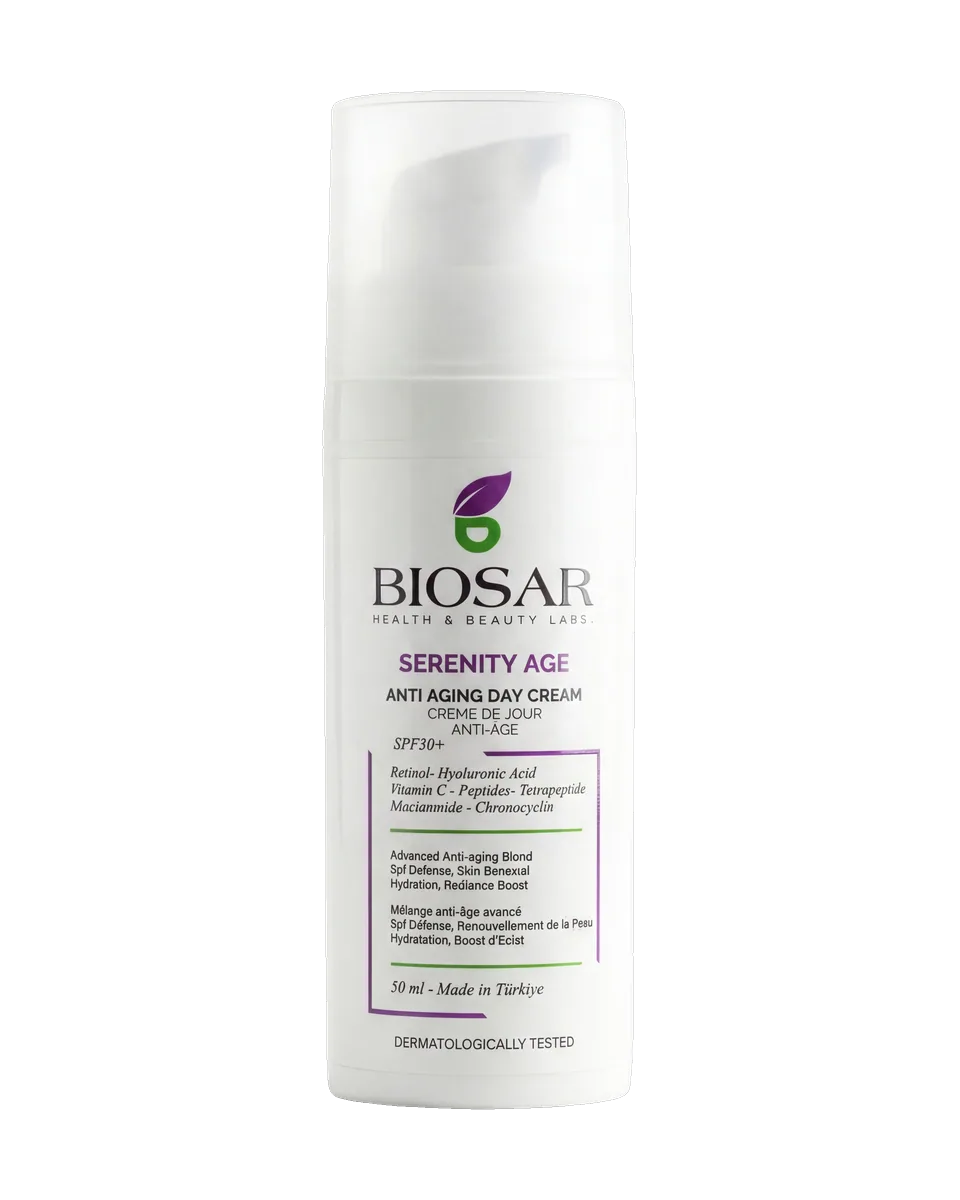
Serenity Age50 ml
Anti-Aging Day Cream SPF30+
Retinol · Hyaluronic Acid · Vitamin C
Contains retinol — not recommended during pregnancy or nursing.
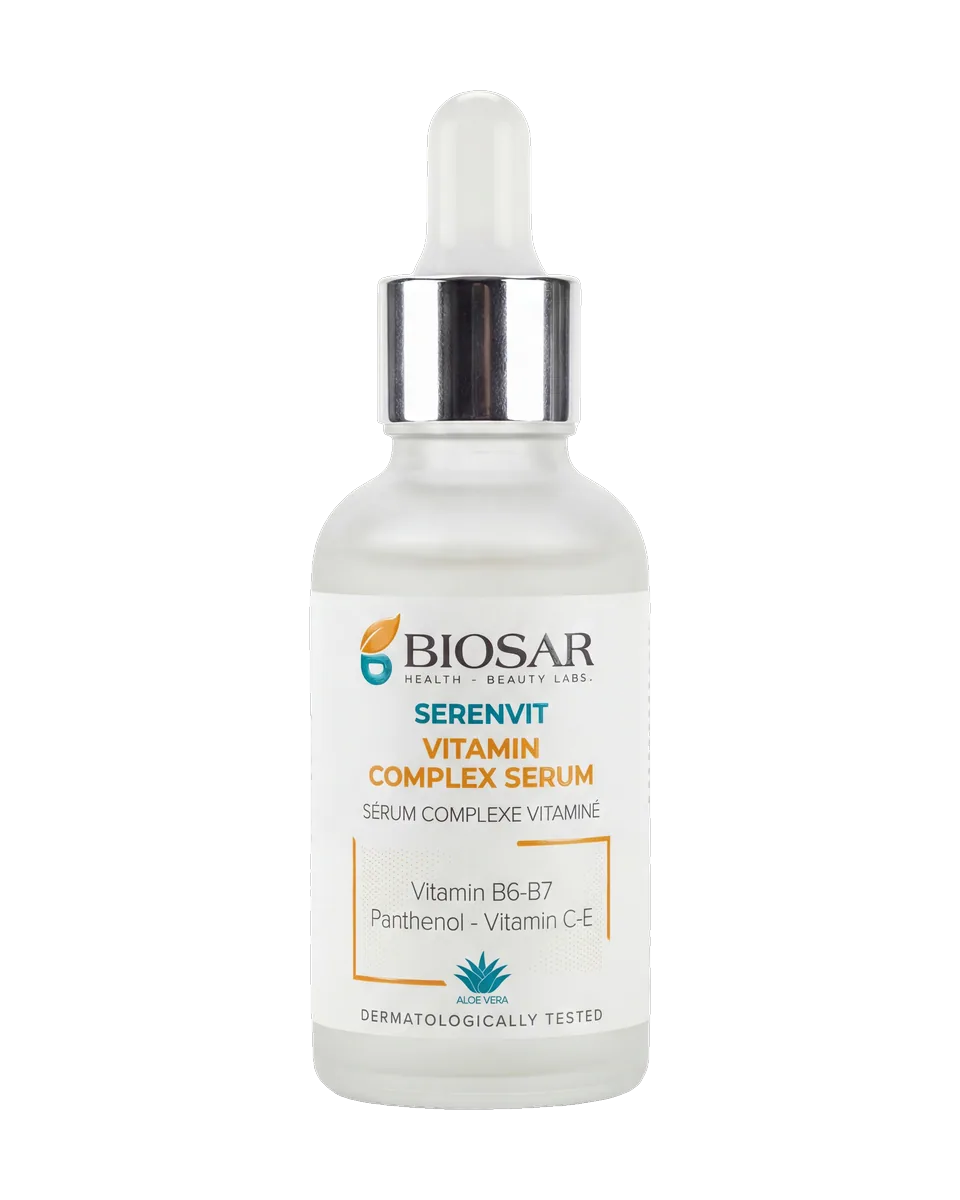
Serenvit30 ml
Vitamin Complex Serum
Vitamin C · Panthenol · Aloe Vera
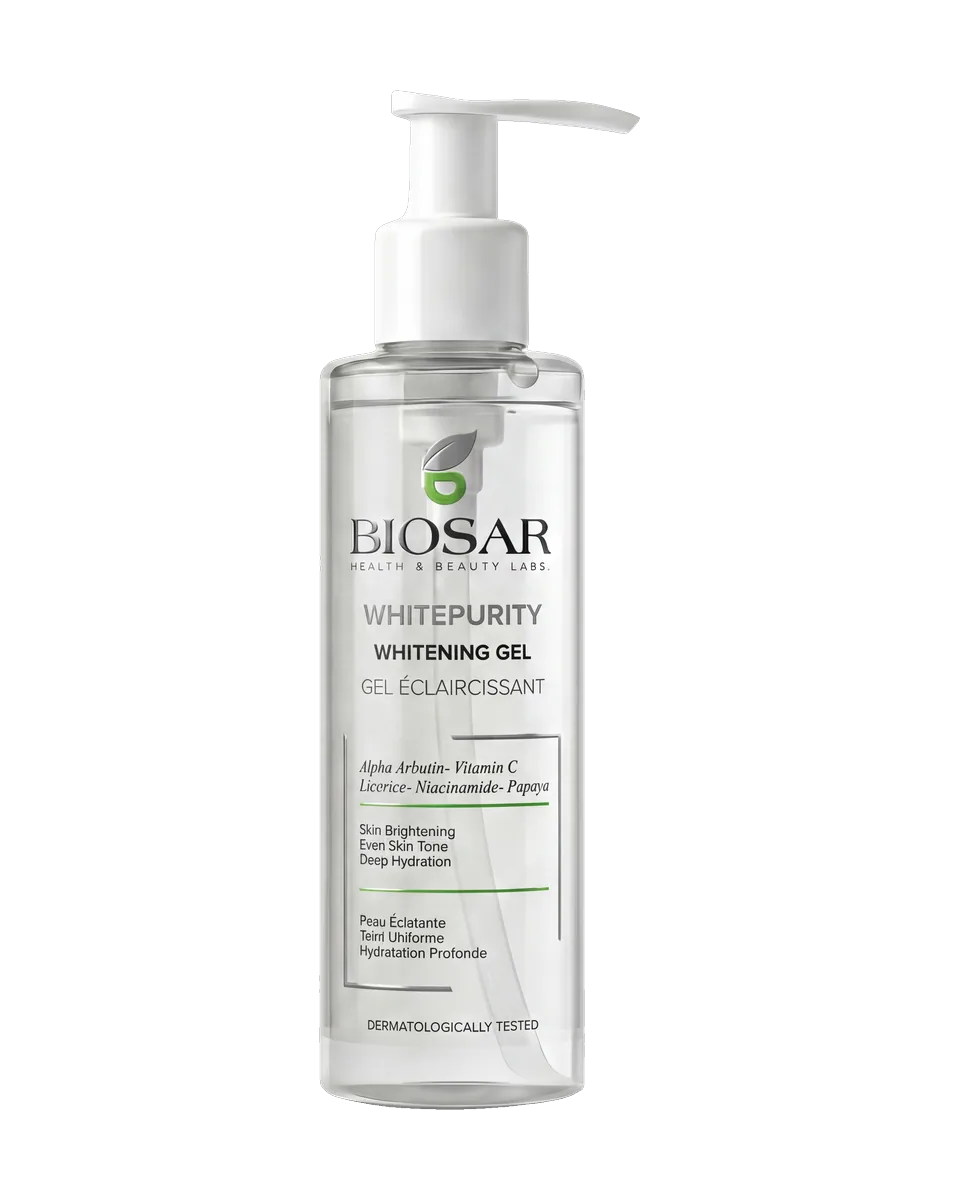
Whitepurity200 ml
Whitening Cleansing Gel
Alpha-Arbutin · Vitamin C · Niacinamide
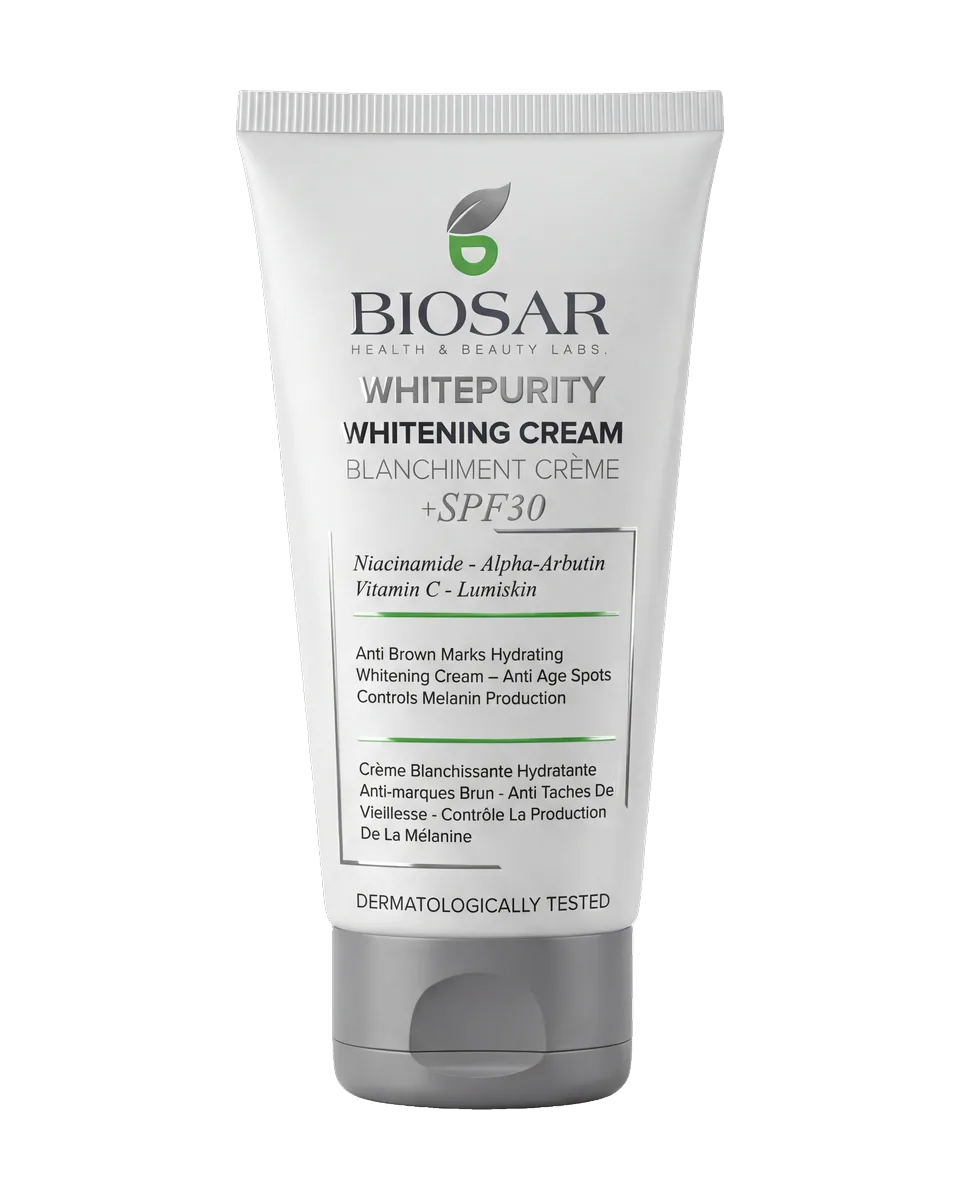
Whitepurity50 ml
Whitening Cream SPF30+
Alpha-Arbutin · Niacinamide · Vitamin C
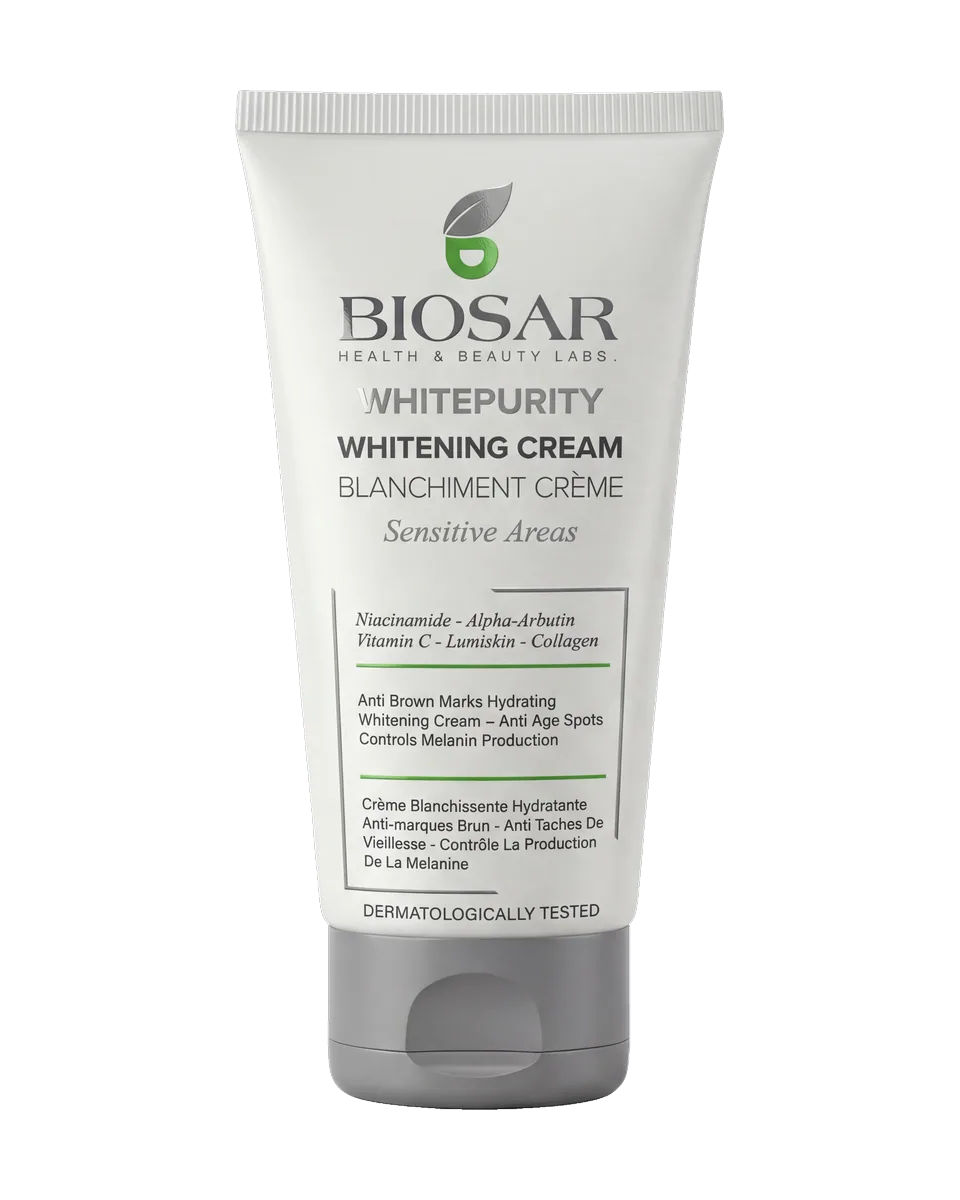
Whitepurity60 ml
Whitening Cream for Sensitive Areas
Alpha-Arbutin · Niacinamide · Vitamin C
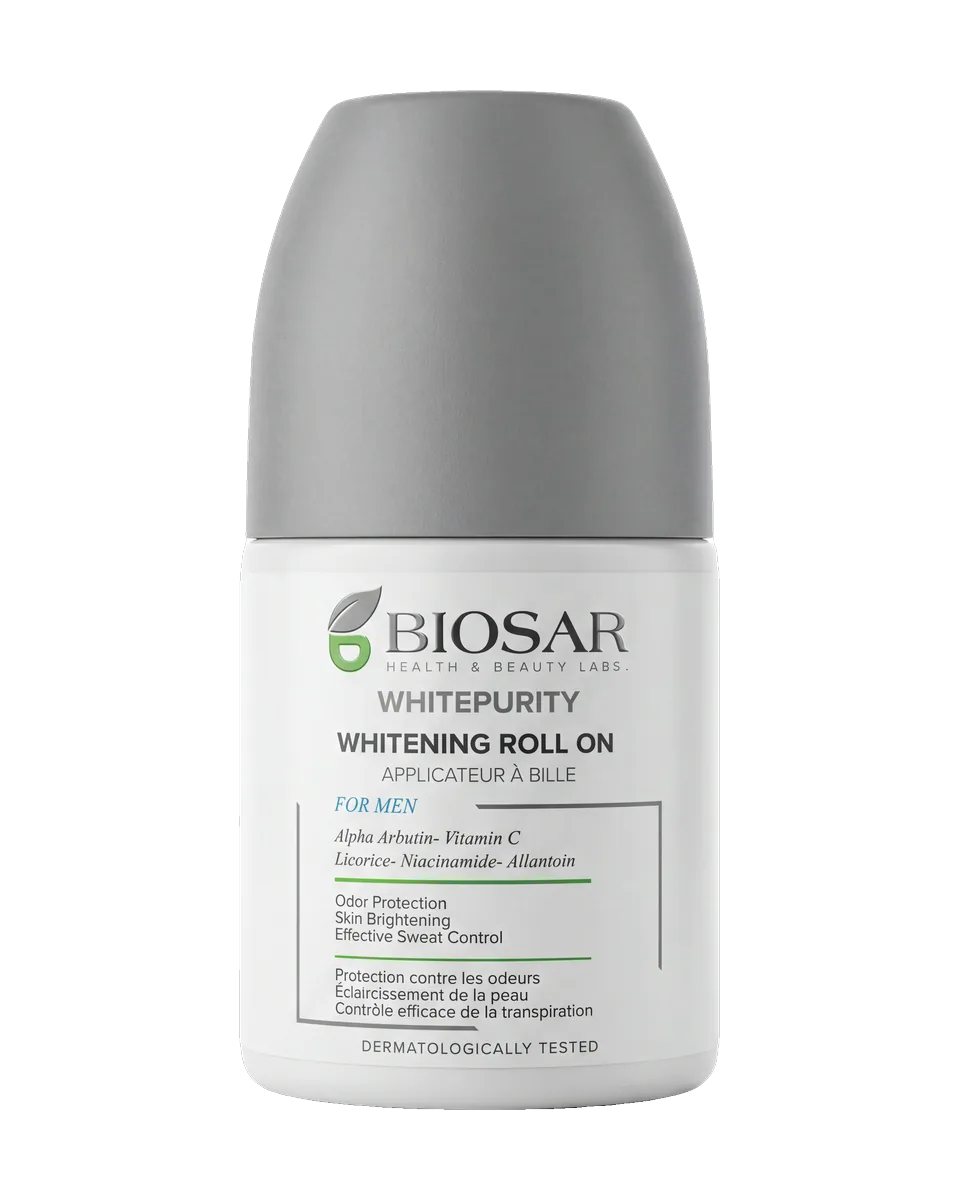
Whitepurity60 ml
Whitening Roll-On (For Men)
Alpha-Arbutin · Vitamin C · Niacinamide
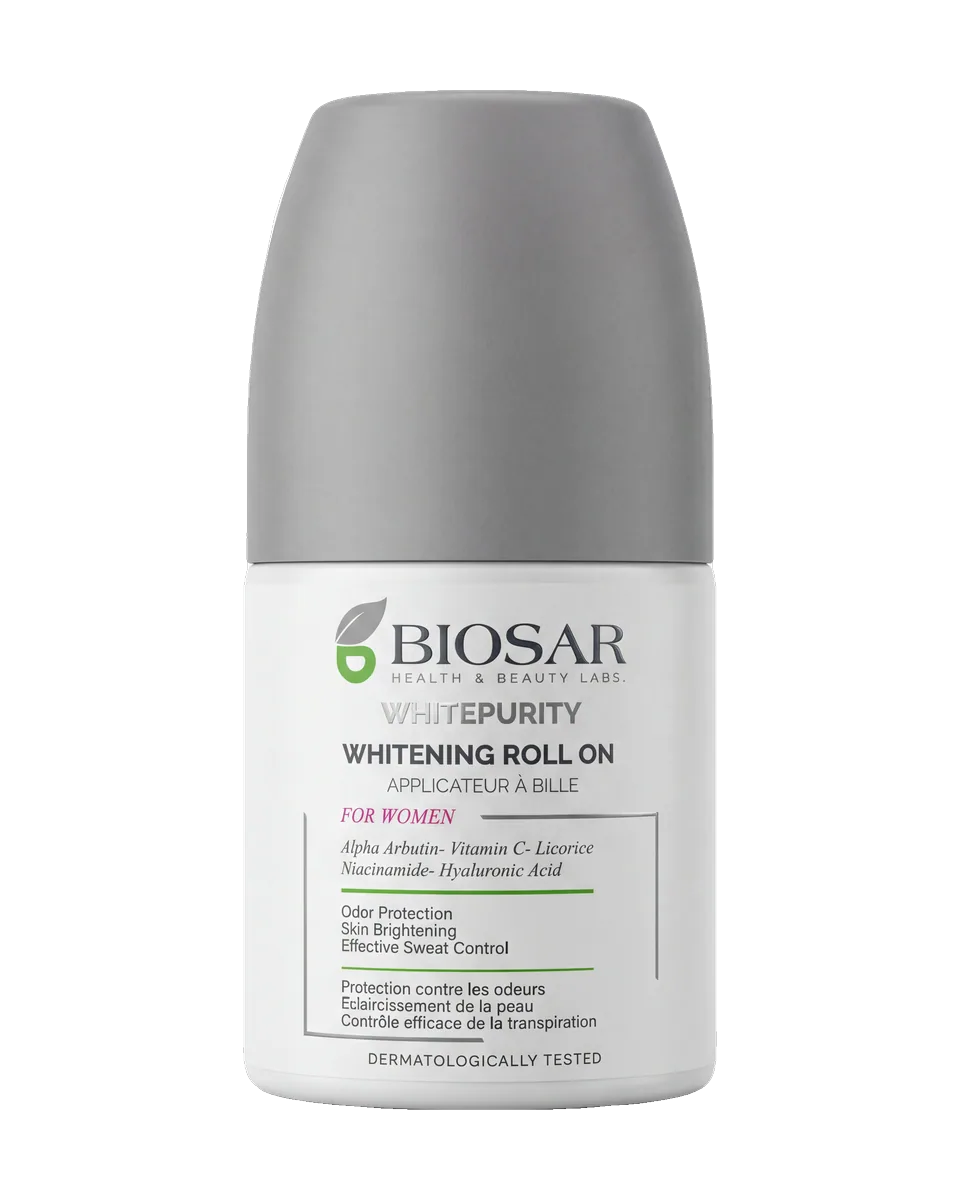
Whitepurity60 ml
Whitening Roll-On (For Women)
Alpha-Arbutin · Vitamin C · Niacinamide
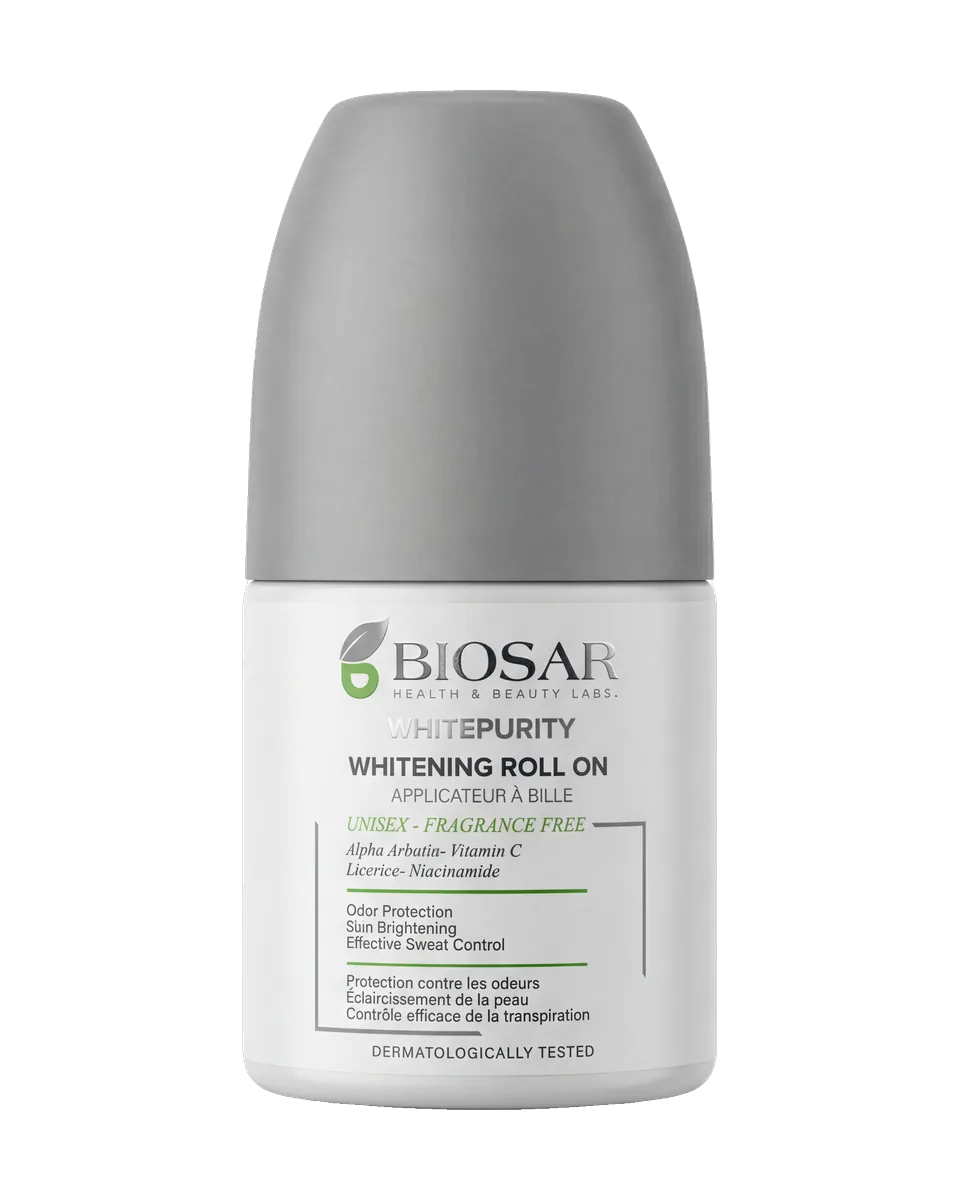
Whitepurity60 ml
Whitening Roll-On (Unisex) Fragrance Free
Alpha-Arbutin · Vitamin C · Niacinamide
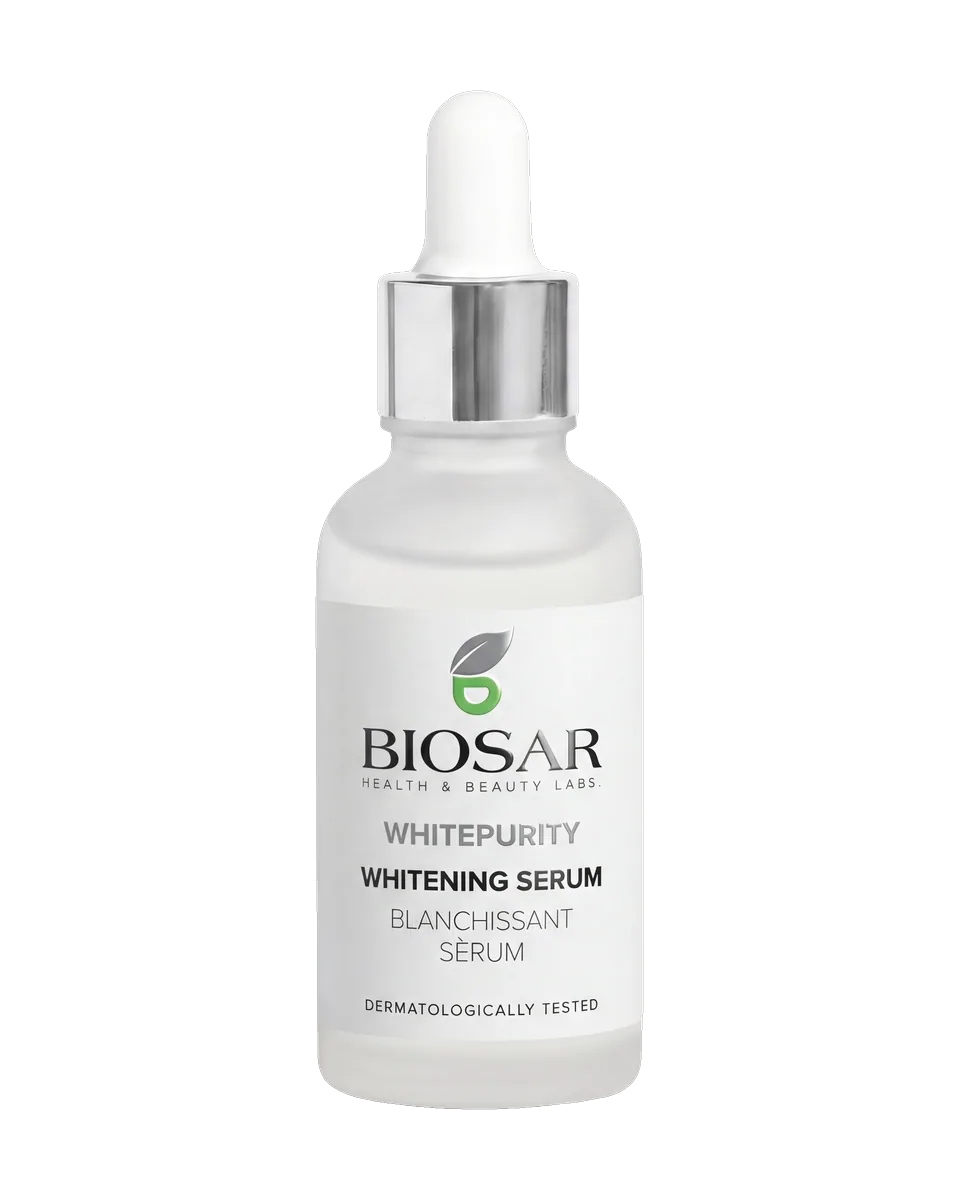
Whitepurity30 ml
Whitening Serum
Alpha-Arbutin · Niacinamide · Vitamin C